
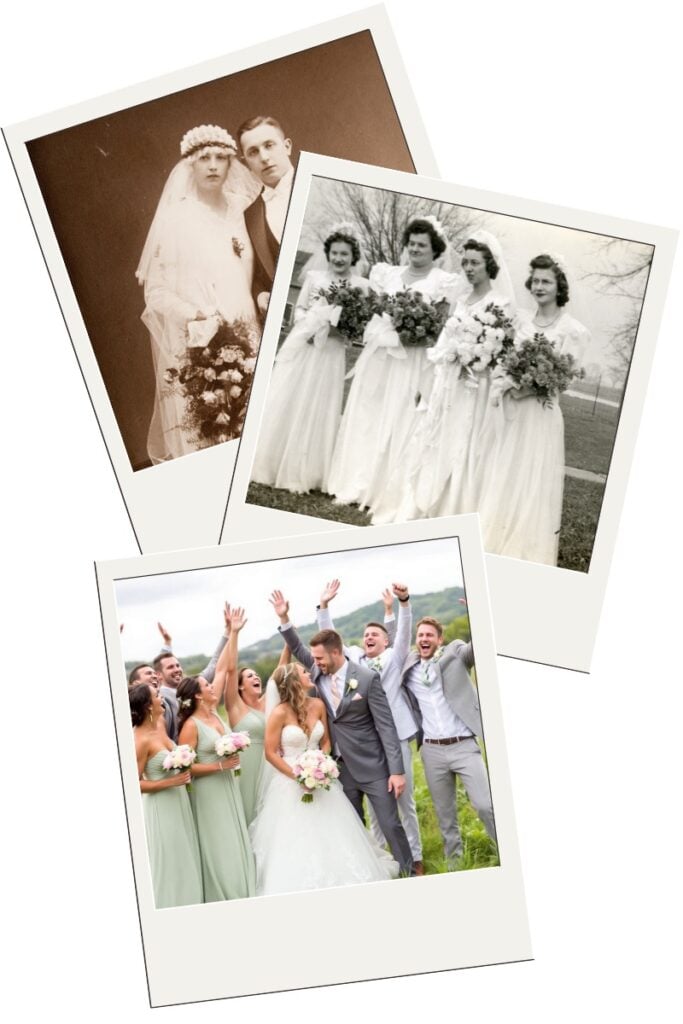
I spoke with Lizzie Post for my Smart Wedding Planner a few years ago. She’s the great-great-grandchild of Emily Post and the co-president of the Emily Post Institute, so her family has been answering America’s wedding questions for about 100 years. While I was trying to figure out how to use Zoom with her, I mentioned how surprised I was that so much wedding etiquette hasn’t changed.
Lizzie largely agreed. While the core of what it’s all about hasn’t budged (you’re throwing a party for people you care about), the specifics have. But we kept landing on traditions that have totally flipped since our grandparents’ days, from who pays for the wedding to what the bride wears to whether you can add a honeymoon fund onto your registry.
So I went back through the rest of our interview and pulled out the traditions that have changed the most, plus what you should do about each one today. And if you want permission to skip a few of them entirely, I have a separate post on 6 wedding customs you don’t need to feel guilty about skipping. And make sure you stick around for the end, because when I asked Lizzie the one mistake she sees couples make over and over, her answer surprised me.
Who Pays for the Wedding
For almost all of the past century the “rule” was very straightforward and very unforgiving: the bride’s family paid for the wedding; the groom’s family bought the rehearsal dinner. Couples didn’t share a venue rental fee, and no couple was funding their own band.
Now it’s a group effort: most couples pay for a big chunk of their own wedding, both sets of parents pitch in if they can, and every family splits it differently. I created a complete guide to who pays for what in a wedding (with Lizzie’s help on that one too), so I won’t go too far into detail here. The old formula is dead and nobody misses it.
Cool to know: if someone offers to contribute, find out what the offer covers before you book anything. Money can bring opinions.
Getting Engaged (and Telling Everybody Else About It)
Engagements used to be quick and pretty quiet. Your parents knew. The church knew. If you were high society, your picture and name might appear in the local newspaper with an announcement.
Today The Knot estimates that couples are engaged for about 15 months, and the announcement usually happens on Instagram within 45 minutes of the proposal (get those nails done first!). During our conversation I asked Lizzie whether announcements create a gift obligation since I know guests fret about that. She replied without hesitation:
“Announcements are awesome. Send announcements… It is perfectly okay to do so. It does not in any way, shape, or form carry an obligation of a gift with it. Doesn’t even carry an obligation of a card.”
She also pointed out that the old-school version still works: “Often they happen on social media, but they don’t have to only happen on social media. You can mail them out, too.”
Bonus points: send printed announcements to your grandparents and any relatives who aren’t on Instagram. It may cost some postage but it will brighten their day.
Wedding Invitations and RSVPs
This one shocked me the most. I always assumed that the tiny reply card came with the wedding invitation for all eternity. It turns out reply cards were the scandalous new shortcut of their day.
“I used to read in our older editions of the book that my grandmother, Elizabeth, was lamenting that she had to absorb the new tradition of the day, which was that reply card. Because you used to break out your stationery and hand write a full note to the person to do a reply to a wedding. And this was standard. Everybody did it. It was just the way you replied.”
Her grandmother eventually came around in the most etiquette-writer way possible: “I guess if this is what people are doing today, it will become what’s acceptable.”
That’s exactly what happened and it’s happening again today with wedding websites. I asked Lizzie where she stood on online RSVPs, expecting her to defend paper at least a little bit.
“I love the little RSVP card and I do think it’s a really wonderful tradition. I don’t think it’s the only way. I think that with so many people being so digitally minded today that on your wedding website, having that space, ‘Do you want to RSVP now?’ Boom, done. So great. So easy. So wonderful. I think they’re brilliant.”
Traditional style: guests hand-wrote a full reply letter on their personal stationery. If your great aunt sends you a reply note via mail rather than filling in your wedding website, now you know why (and you should cherish it!).
The Ceremony
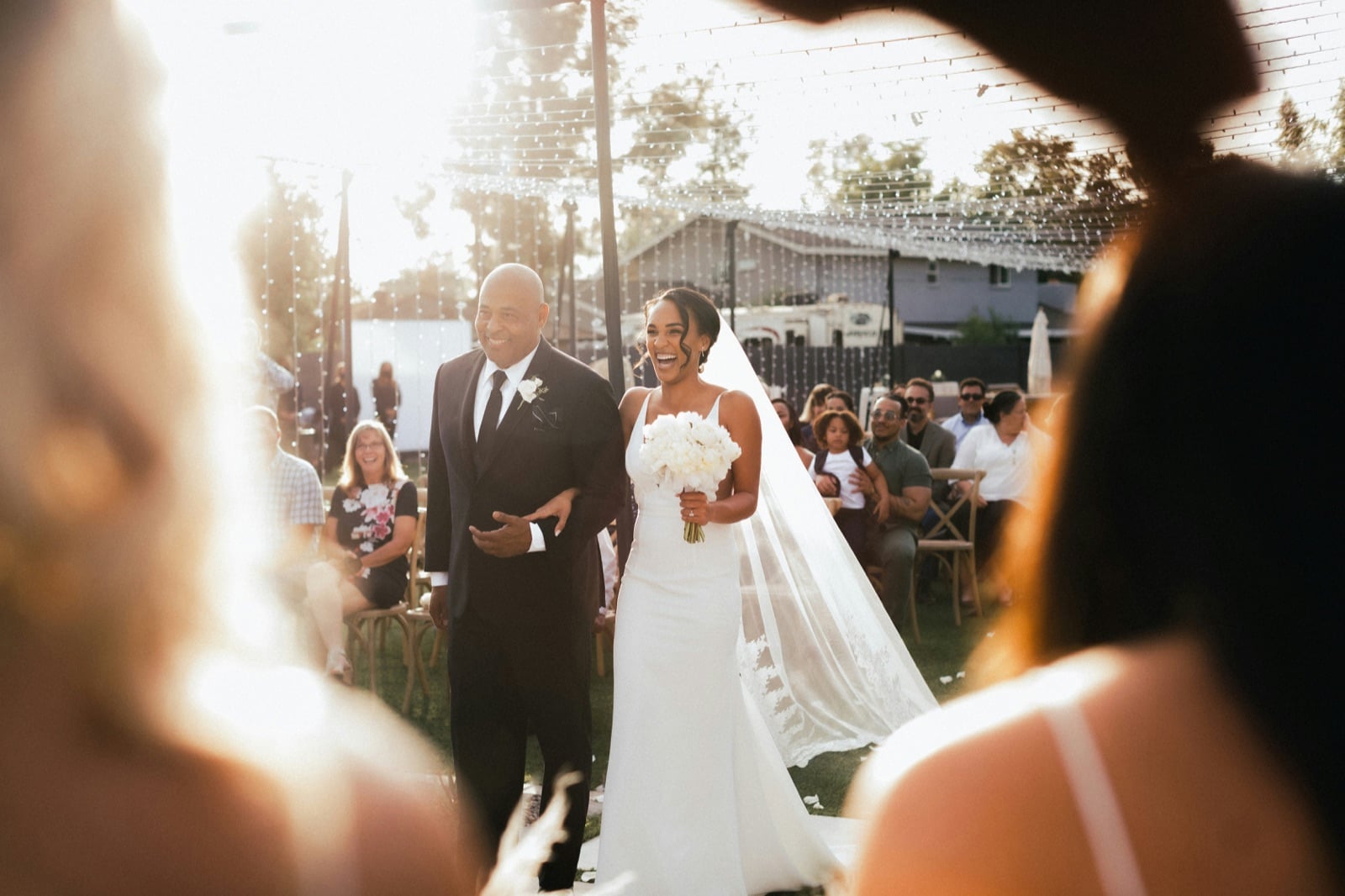
Church ceremonies dominated the wedding scene for decades. Whether or not the couple practiced religion, the location of the ceremony was predetermined.
Today, couples are marrying in barns, museums, backyards, and national parks. What happens up there is changing too: according to The Knot’s 2026 study, 61 percent of couples write their own vows, and nearly a third incorporate religious, ethnic or cultural elements into the ceremony. Plenty of couples still pick a church wedding. Now it’s a choice instead of the default. There are so many ceremony traditions couples can borrow from now, too.
Why it changed: fewer couples belong to a congregation these days, and venues realized that hosting the ceremony and reception in one place makes the day easier on everyone.
What the Bride Wears
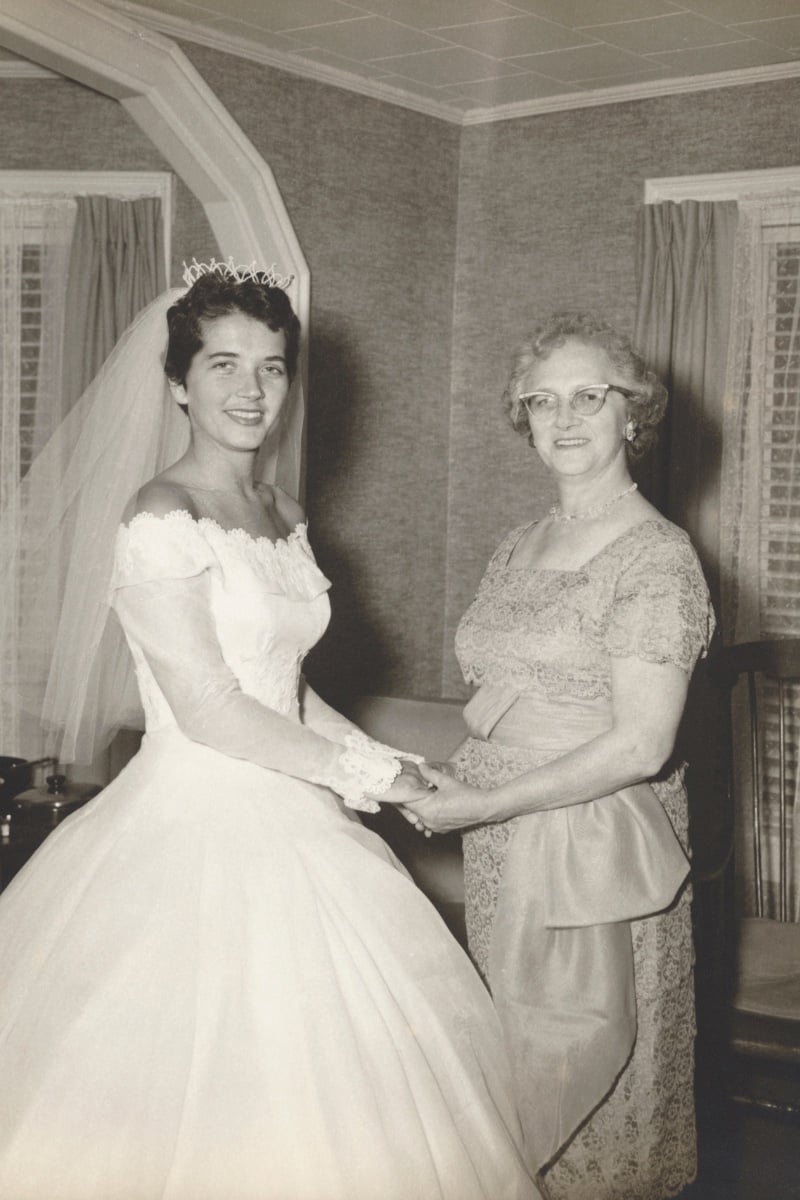
The old uniform was strict: a white gown, sleeves for church, a veil, and absolutely no exceptions. When I asked Lizzie if there were any remaining dress code restrictions for the couple she didn’t hesitate:
“Anything goes. Whatever is going to make you feel confident, standing up there and saying vows that commit your life to someone else. That’s the outfit you need to be wearing, 100%.”
“I do think it’s important to note that not all brides wear white,” she added. “And I don’t mean that, oh, they’re wearing champagne or ivory or off-white. I mean, they just don’t all wear white.”
Short dresses, jumpsuits, colored gowns, and a fun second outfit to dance in are all fair game now. Wear whatever makes you feel like the best version of yourself!
Did you know: white wasn’t always the accepted wedding attire. Until Queen Victoria chose white lace for her wedding in 1840, brides wore their best dress in whatever color they owned.
The Wedding Party
Massive wedding parties were a staple for decades; 6 per side, same color dresses, coordinating outfits, etc.
Today, couples are opting for smaller wedding parties, mixing men and women on both sides, or eliminating the wedding party altogether. Standing up there with only your siblings (or nobody) doesn’t raise eyebrows anymore either. If you’re stuck on this decision, I wrote about when and how to choose your wedding party.
Don’t feel obligated to include matching bridesmaids: nobody has to match anymore. Give your girls a color palette and let them pick something they’ll wear again.
The Registry (and the Worst Cash-Ask I’ve Ever Heard)
When I got married, cash registries were frowned upon. You registered for fine china and kitchen towels, and money changed hands discreetly in cards, not on websites.
My favorite story about how NOT to handle this comes from my parents’ friends, who were invited to a wedding where the groom sent out an email that said, more or less: “We don’t have a registry. Here’s our bank routing number.” I shared this story with Lizzie during our interview.
Her response came fast: “Did he forget that checks exist?”
Honeymoon funds and house funds have made cash gifting normal, but Lizzie still draws one line, and I agree with her:
“I think instead the really considered thing to do is to set up a fund for the specific thing. It might be a new house fund. It might be a furnishing fund… The honeymoon fund is a really classic one. I do think it’s really important on that registry to make it clear what that money is for. Don’t just ask them for cash.”
She gave me an example of a cousin’s registry where guests funded specific parts of the honeymoon (train ride and ziplining adventure). The thank-you notes practically wrote themselves (“thank you so much for ziplining!!!”) and guests loved seeing what their gift was used for. Speaking of thank-you notes, believe it or not, that’s the one tradition that actually got stricter over the years. More on that in a minute.
The Reception
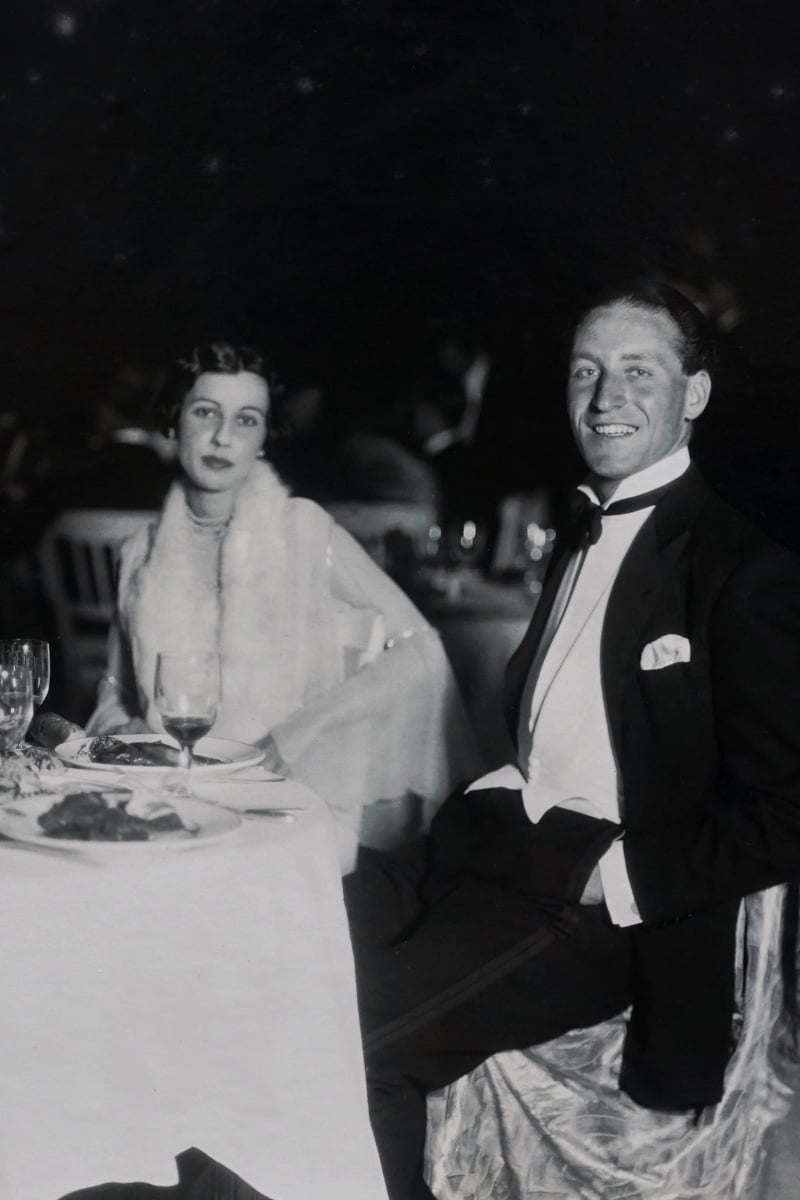
Formal sit-down dinners with champagne toasts followed by multi-tiered white cakes and live bands were staples of weddings for generations. Guests ate what they were served and danced to whatever the band played.
Today, couples personalize their menus: expect food trucks, grazing tables, pizza at midnight and specialty cocktails named after Fido. Cake still shows up at most weddings, but it shares the table with pies, cupcakes and dessert bars, and DJs, playlists and even silent discos are all perfectly acceptable now.
Save it if you like it: freezing the top tier of your cake for your first anniversary. This works if wrapped correctly and I have step-by-step directions on how to freeze your wedding cake so it tastes good in 12 months, not like the freezer.
Photos: From One Hour of Portraits to an All-Day Shoot

Generations ago, there were about five to ten pictures taken of the happy couple and their families, typically formal portraits, and then the photographer packed up his equipment before dinner.
Today photography is one of the largest expense categories of the wedding budget, and coverage begins early, capturing getting-ready photos and ending with the final song at midnight. The biggest shift is the first look, where you see each other before the ceremony and break the oldest superstition in the book on purpose. I wrote about whether you should have a first look if you’re on the fence.
Why it changed: with a first look, the portraits happen before the ceremony, so you get to enjoy your own cocktail hour.
The Honeymoon
Couples used to leave for the honeymoon straight from the reception. There were going-away outfits and rice tosses, and grandma probably changed into a smart little travel suit before running to the car.
Modern couples wait weeks or months, take a mini-moon first, or split it into a few smaller trips. Work schedules and budgets drive most of it, and the delay has a perk: you’re not planning an international trip during the most chaotic month of your life. I broke down the timing options in when should you go on your honeymoon.
The Only Tradition That Got Stronger

Somewhere along the line, couples started believing they had a full year to send thank-you notes. Lizzie corrected me on that one.
“It used to be that a couple had a year to send them. Now it’s like three months. We really encourage couples to get after those notes. Do like three a night, or if you each commit to three a night, that’s six a night.”
Handwritten still wins here, by the way. Of everything in the etiquette book, this is the tradition Lizzie defended hardest. Generic preprinted thank-yous, in her words, are “really not okay.”
Calculate it: at six notes a night between the two of you, 100 thank-yous are done in about two and a half weeks. Pour some wine and make it a nightly ritual.
The Part That Hasn’t Changed
Near the end of our interview I asked Lizzie for the biggest mistake she sees couples make. Her answer had nothing to do with reply cards or registries.
“I think the biggest mistake people run into is hurting people that they love or that they care about over a party. The marriage is a really big deal… The party is different and the party isn’t something that you should be ruining relationships over.”
A hundred years of etiquette books, and that’s still the advice that matters most. Keep the traditions that mean something to you and your families, drop the ones that don’t fit, and be kind to your mom while you figure out which is which. My Smart Wedding Planner walks you through the rest of the planning.
And if your great-aunt mails you a handwritten reply note on her own stationery, frame it. Emily Post would approve.
So, which of these traditions are you keeping, and which are you skipping? I’d love to hear in the comments.
Some links in this post may be affiliate links, which means we may earn a small commission if you make a purchase through them. Thank you for your support!






I located a copy of Vanderbilt etiquette at a Union, CT restaurant, Travelers Books, which I love. Thank you for a glimpse of the old versus new. I despise all the expensive demands placed on Bridesmaids for hen parties, showers, and wedding. Showers are so affected by registries. I hounded my daughter about thank you notes. I quasi-eloped. My Dad always joked it would save him money. He roared when we called him and Momma. Great memory.
In the Catholic faith, the word for wedding attire is “modest.” Some parishes have strict rules, such as no bare shoulders or plunging necklines. You can wear the color of your choice, but make it modest. A parish may have an age requirement to be part of the bridal party. People hate this; however, I have been to a few (Catholic and not), in which the “cute children” had everyone laughing or totaling disrupting the ceremony. I say Kindergarten age or older should be the rule. Babies–no way. And no alcohol consumption before the ceremony. If the priest smells alcohol on your party’s breaths, he will send them away. If he smells it on the bride or groom, the wedding is canceled, then and there. You can’t make consent when you have had anything to drink. One time, Father was walking from the rectory to the church and found the groom and groomsmen standing near the wedding car with the trunk open. The groom offered Father a beer. Right away, Father warned the groom, and quickly the beer was stashed away. If a person doesn’t want to follow the simple rules, then why be at the Church? Don’t try to take advantage. It may be your day, but it may not be your way.