
Nobody plans their engagement thinking, “I cannot wait to scream-cry at a cake tasting.” And yet here we are, in month seven, with a fiancé who’s gone suspiciously quiet about every decision, a mother who flinches when you bring up the seating chart, and a sleep score so low your watch is starting to send you concerned little notifications.
When you shop links on our site, we may earn a small commission at no cost to you. Learn more.
If any of that sounds like you, take a breath. “Bridezilla” is a word the wedding industry invented to sell drama to TV networks (and to make any woman with a strong opinion sound a little unhinged). Underneath it, almost every so-called bridezilla is a person planning a 150-decision, cost-of-a-used-Honda event on top of a full-time job, on roughly six hours of sleep. That kind of load breaks anyone, and most of us crack at some point in the planning.
Per The Knot’s 2024 Real Weddings Study, that lands around $35,000 in spend over roughly 15 months of planning. That’s a lot of weight on one person, especially when one person is doing most of the carrying. Below, 9 signs the planning has started running you, plus the small, today-able fix for each one. You don’t have to do all 9. Pick one and start there.
1. Your Partner Has Gone Quiet About the Wedding
They used to weigh in. Now every “what do you think?” gets the same answer: “whatever you want, babe.” On the surface it sounds supportive. In practice, it usually means the last three opinions they offered got overridden in real time, and they’ve decided it’s safer to opt out of the conversation than risk being told their idea was wrong.
This is the easiest one to fix and the one most brides skip. Pick one decision left on the list, JUST one, and hand it to them entirely. Maybe it’s the welcome bags, the cocktail menu, or the song you walk back down the aisle to. Whatever it is, it’s their call from there, with no veto from you even if you’d have chosen differently. Most partners come back to the table the second they realize they actually get to decide something instead of being asked to ratify something already chosen.
Permission slip: Letting your partner pick something you would have picked differently is how the wedding starts feeling like both of yours instead of yours alone.
2. You’re Losing Sleep Over Decisions That Don’t Actually Matter
It’s 2:14 a.m. You are wide awake, agonizing over whether the menu cards should be ivory or cream. We hate to be the one to say this (we really do!): your guests will not remember the menu card paper stock the next day, and some of them will not even pick up the menu card to look at it.
The American Psychological Association has tracked this pattern for years. Chronic stress makes your brain prioritize whatever you’ve been thinking about most recently, regardless of whether the decision actually deserves the attention. The fix is naming the stake out loud: “If I get this wrong, the worst-case scenario is that my menu cards are cream instead of ivory.” Said in your own bedroom, at 2:14 a.m., the spiral usually shrinks. If yours isn’t shrinking, a written-out wedding planning timeline is one of the fastest ways to see what’s actually on fire and what just feels like it.
Reality check: If the decision doesn’t affect cost, safety, the ceremony, or whether people can eat, you’re looking at a 5-minute decision dressed up as a 5-hour one.
3. The Wedding Is the Only Thing You Talk About Anymore
Your best friend started a new job two months ago. Your sister had a hard week and you found out three days later because you were stuck on calligraphy quotes. This kind of relationship drift creeps up on you because it’s slow, and you don’t notice your relationships have been wedding-only conversations until somebody finally tells you.
The fix is a two-question rule with the people you love most. Before you bring up anything wedding, ask them two real questions about their week, about them, about whatever they have going on outside of your big day. The wedding is one part of your life, but it crowds out everyone else’s life unless you make space on purpose.
Smart move: Tell one trusted friend they have permission to say “topic change” any time you’ve been wedding-talking for more than ten minutes. They’ll thank you for it, and you’ll feel like yourself again faster than you expect.
4. You’re Checking Your Inbox at 3 a.m.
You woke up at 2:47, reached for your phone, and refreshed your inbox like a vendor was going to email you between 2:47 and 2:48. That kind of checking is your nervous system asking for relief at 3 a.m., and a phone screen is not going to give it to you.
Set inbox hours. Pick a window, say 8 a.m. to 7 p.m., and turn off wedding-email notifications outside that window. The vendor who is going to email you at 4 a.m. on a Tuesday is not a vendor you want anyway. The bedside-table version of putting your phone away doesn’t work, and you already know it. Walk it to the kitchen and plug it in there for the night. The first night feels weird; by the third night you sleep an extra hour.
Tonight: Put your phone in another room and your eye mask on. Anything Slack, email, or Pinterest related can wait until 8 a.m.
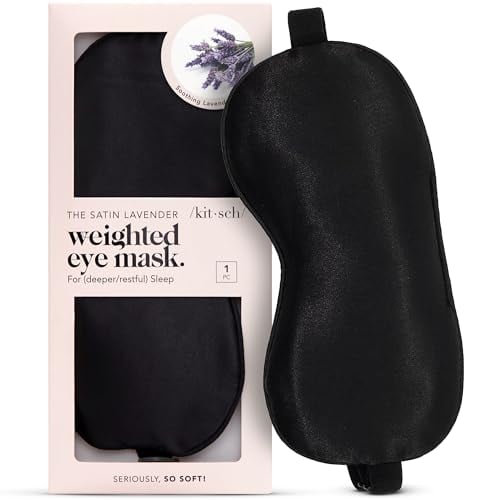
Kitsch Weighted Satin Sleep Mask
Heavy enough to feel substantial, blackout-dark, and shockingly effective at the moment when your brain keeps insisting it’s not actually tired.
5. You Snapped at a Vendor, Your Mom, or Your Maid of Honor, and You Didn’t Feel Bad
Snapping at a vendor about a missed callback is one thing. The moment you realized you spoke to your maid of honor in a tone you wouldn’t use with a stranger, and you didn’t apologize because some part of you felt she deserved it, is a different signal.
When the apology doesn’t come naturally, your stress level is the thing that needs attention first. The relationship won’t get back to normal while you’re running on empty. Send the text, make the call, and lead with “I was tense and I took it out on you, and I’m sorry.” If the friction is bridesmaid-specific, our guide on how to handle a difficult bridesmaid covers the conversations most brides avoid until it’s too late.
What works: A short, specific apology beats a long defensive one every time. “I was sharp with you on Tuesday about the dresses. That wasn’t about you. I’m sorry.” Send it. Move on.
6. You’re Tracking RSVPs Like It’s a Part-Time Job
You’ve checked the Zola dashboard four times today. It’s Wednesday. You manually refreshed after each check, in case the dashboard had missed an incoming yes from your cousin Mark in the last 90 seconds.
RSVPs make perfect anxiety food. There’s a number, it goes up and down, and you can keep checking it. Schedule one specific check-in time per day, or every other day if you’re brave, and protect everything outside that window. Better yet, hand the RSVP-chasing job to your maid of honor or a parent who’s enthusiastic about a project. Their email subject line is “checking in on Sarah’s RSVP” and it gets a faster reply than yours, every time. A wedding planner or month-of coordinator will also absorb a lot of this for you if hiring is in your budget.
Try this: Move the wedding dashboard off the home screen of your phone. The number of times you open it will drop by half overnight.
7. Your Body Is Telling You Something (And You’re Ignoring It)
Your jaw has started clicking in the morning. The stomach issues that started in February have not gone away. There’s a tension headache that lives in your right temple now. And the breakout pattern your dermatologist mentioned might be “stress-related” is part of the same story. None of this is in your head. Chronic stress shows up in physical symptoms long before it shows up in your mood, and most brides ignore the body signal until the wedding’s over.
Don’t ignore it. Take a 20-minute walk a few times a week, eat an actual lunch sitting down when you can swing it, and start the morning with a glass of water before your coffee. None of it is dramatic, but it tells your nervous system you’re not in a five-alarm fire. (Our Smart Wedding Planner Guide literally lists “go for a walk by yourself, breathe in, relax, smile” as the very first item on the day-before-the-wedding checklist. It’s good advice three months out, too.) A nightly five-minute brain-dump on paper, before bed, also pulls a surprising amount of weight, because the body cannot tell the difference between a problem you’re solving and a problem you’re rehearsing.
Permission slip: Your dermatologist appointment, your therapist appointment, your massage appointment all count as wedding planning. Put them on the calendar in that color.
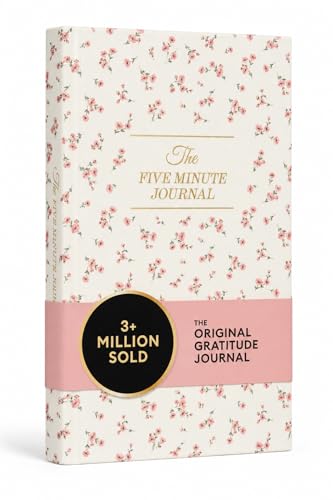
The Five Minute Journal by Intelligent Change
Five minutes in the morning, five at night, no app required. The lo-fi alternative to lying awake at 2 a.m. with 47 open tabs in your head.
8. You Keep Re-Opening Decisions You’ve Already Made
You ordered the dress in February. It’s May. You’ve now spent four evenings on Pinterest looking at second-thought options, and you’ve started Googling whether anyone has ever swapped dresses six months out. (Yes, technically you can. No, you do not need to.)
Decision fatigue almost always comes down to wanting a sense of control, and the last decision you can still reverse feels like the only lever left to pull. The fix: write down, on paper, what made you choose the original. Include the fit, the price, and the way your mom cried when you came out in it. Read it back to yourself when the spiral starts. Old-you was clear-eyed; today-you is fried. Our guide on the wedding planning decisions worth re-opening (and the ones to leave alone) goes deeper if this one keeps grabbing you.
Reality check: If the decision is reversible AND costs nothing to reverse, change it. If reversing costs money, time, or relationships, that’s a spiral. Walk away from the laptop and revisit it in three days.
9. You’ve Started Using “It’s MY Wedding” as a Closing Argument
The phrase has its place. A bride is allowed to want what she wants. But if “it’s my wedding” has become your fallback any time someone disagrees with you, whether it’s your mom, your partner, or your sister, the phrase is doing different work than you think it is.
People who love you are not your wedding’s villains. When you find yourself reaching for that line, pause and ask: am I shutting down a conversation I don’t actually want to have? Most of the time the answer is yes, and the actual conversation underneath it is one worth having. Maybe your partner has feelings about his side of the guest list he hasn’t been able to land. Your mom might be grieving the wedding she wishes she’d had. And your sister could be hurt about something that has nothing to do with the seating chart. Make space for it. (We love our guide on how to bond with your mom during wedding planning for exactly this kind of conversation.)
Try this: Replace “it’s my wedding” with “I hear you, and I’m going to think about it.” It doesn’t commit you to changing your mind, and it leaves space for the other person to feel heard. Your wedding will be better for it, and so will your relationship.
So, What Actually Matters?
None of these signs make you a bad person. They make you a person under pressure, with too many decisions, not enough sleep, and a year-long deadline that feels permanent. The bride who never has a hard moment, never loses sleep over a centerpiece, and never refreshes the RSVP dashboard more than once a day is a fictional character on a TV show. The brides who arrive at the wedding feeling like themselves are the ones who catch the spiral starting and pull the brake before it picks up speed.
You don’t need to overhaul your entire planning process tonight. Pick one fix: the 3 a.m. inbox check, the partner handoff, or the apology text. If it would help to look at the rest of the planning with fresh eyes, our Smart Wedding Planner Guide walks through the whole thing the way a friend who’s been through it would. The embedded budget tool below sorts out the numbers in about 20 minutes, which is one of the fastest ways to make a wedding feel smaller and more manageable. In the meantime, take care of yourself between now and the wedding. The day will take care of itself.
Are you overspending on your wedding? This 60-second quiz will tell you.
Most brides go into planning with a number in their head and no idea where it's actually going. Enter your budget and guest count, and get a clear picture of exactly where your money is at risk, what you're most likely to overspend on, and where you can cut without anyone noticing.
What matters most to you?
Every vendor will tell you: unless you have an unlimited budget, you HAVE to prioritize. Tell us what matters most to you so your results are specific to YOUR wedding — not some generic checklist.
Your budget has a blind spot.
What’s inside your results
📊Your budget score & #1 blind spot
⚠️Your biggest pressure point
💡Where you’re most likely to overspend & save
💰Your recommended budget breakdown
No spam. Unsubscribe any time.