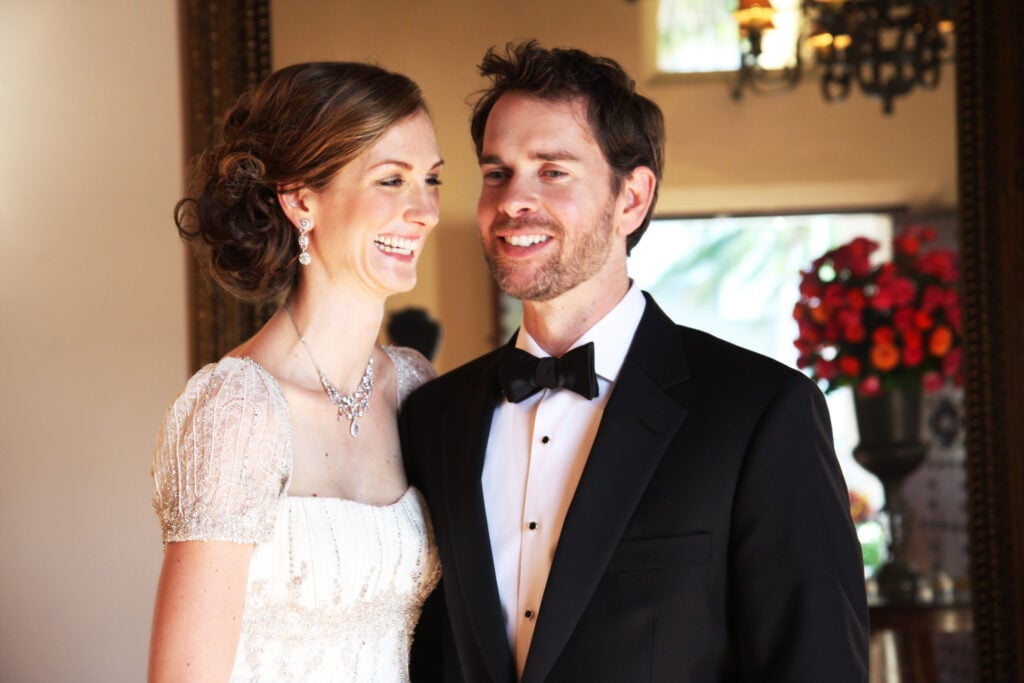
Hooray! You’re getting married! And if you’re here, you’ve decided (or are about to decide) to plan your wedding in six months. Believe it or not, you’ve made one of the best decisions ever. Not only because you’re about to marry your best friend, but because a shorter engagement forces you to focus on what actually matters and skip the rest. You’ve come to the EXACT right place!
When you shop links on our site, we may earn a small commission at no cost to you. Learn more.
Planning a wedding on a short timeline is one of the most exciting things you’ll ever do, but between the sticker shock, the booked-up Saturdays, and the sheer number of decisions to make, it can feel completely overwhelming. That’s exactly why this guide exists. I’ve taken the fluff out of the typical 18-month checklist and given you the CliffsNotes version of everything you’ll need, along with advice from brides on Reddit who planned their own weddings this fast (and lived to recommend it).
“We planned our wedding in 5 months. [It was] small, all guests travelled in, and we served a seated brunch. We only planned and budgeted for our priorities.”
— via Reddit.com
When you first start planning your wedding, it’s easy to get carried away pinning everything you see. A six-month timeline is the built-in cure, and I can tell you from experience that fast decisions are not bad decisions. We booked my own wedding venue within about a week of finding it (still one of my favorite calls we made), while plenty of the details I agonized over for months turned out to be the ones I could have skipped entirely.
First, a Quick Reality Check
The average engagement in this country is 15 months, according to The Knot. Before either of those numbers scares you, know that The Knot also reports that 45% of couples spend less than a year planning their wedding. Shorter engagements are becoming more and more common, so you are in very good company.
So what does a six-month timeline change? Mostly the order you do things in, and how fast you say yes. The Knot’s most recent Real Weddings Study (they survey thousands of real couples every year) found that couples hire 13 vendors on average, and that the big ones like the venue, photographer, and caterer are often booked 12 to 18 months out. Can you still get wonderful vendors at the six-month mark? You can. But when you find one you love, you’re going to have to commit on the spot instead of sleeping on it for three weeks.
Let’s start with the two decisions that drive everything else.
Month 6: Lock In Your Budget and Guest List
When you only have six months, it’s VERY easy to open one of those 18-month wedding checklists and panic over everything you haven’t done yet. And while I love a good checklist (I built my whole planner around them!), most of them are stuffed with padding. Do you need eight months to think about cocktail napkins? You do not.
Before you research a single vendor, you and your partner need two numbers: what you’ll spend, and how many people you’ll invite. I want you to know what you’re up against, so here are the latest averages: $34,200 for a wedding of 117 guests, according to The Knot. That works out to about $292 per guest, which is exactly why your guest list IS your budget. While ten names might not sound like a lot to cut, that’s almost $3,000 back in your pocket…and fast! Trim the list before you ever start bargain-hunting for a cheaper photographer.
In my Smart Wedding Planner, I have couples play a card game to figure out their wedding priorities (it sounds silly, but it works!). Once you know that great food and a great photographer matter more to you than flowers and favors, every decision you make for the next six months gets twice as fast. Oh, and read up on the hidden wedding expenses brides don’t see coming before you set your final number. Nothing derails a fast wedding plan like a surprise venue fee in month three.
Are you overspending on your wedding? This 60-second quiz will tell you.
Most brides go into planning with a number in their head and no idea where it's actually going. Enter your budget and guest count, and get a clear picture of exactly where your money is at risk, what you're most likely to overspend on, and where you can cut without anyone noticing.
What matters most to you?
Every vendor will tell you: unless you have an unlimited budget, you HAVE to prioritize. Tell us what matters most to you so your results are specific to YOUR wedding — not some generic checklist.
Your budget has a blind spot.
What’s inside your results
📊Your budget score & #1 blind spot
⚠️Your biggest pressure point
💡Where you’re most likely to overspend & save
💰Your recommended budget breakdown
No spam. Unsubscribe any time.
Smart move: Set aside 5% of your budget as a cushion. On a short timeline you’ll occasionally pay a little extra for speed (rush shipping, an in-demand seamstress), and it’s so much nicer to have that money waiting for you.
Month 6: Book Your Venue, Photographer, and Caterer
This is the same month, yes. The first two weeks are for your budget and guest list, and the rest of the month is for locking down the big three. Venues book the furthest out of any vendor, so flexibility is your best friend here. The Knot’s data shows that only 23% of weddings happen between November and March, and that Thursday weddings average $31,100 compared to $33,100 for Saturdays. January weddings average $29,900, the lowest of any month. That means the venue that’s “fully booked” for Saturdays probably has a Friday, a Sunday, or a gorgeous winter date sitting wide open, and it may cost you thousands less.
When you tour, come prepared with your questions to ask wedding venues and find out what dates they have open in your window BEFORE you visit. You’ll save yourself from falling in love with a ballroom that can’t host you until next fall. And give all-inclusive venues a serious look, because a place that handles catering, tables, linens, and setup wipes out half your to-do list with one contract.
“Having the venue take care of pretty much everything but the clothes on our backs takes so much pressure off and is really making wedding planning simple.”
— via Reddit.com
I said this back when I shared my own wedding budget and I’ll say it again: that’s the key, brides! If you find the right venue, you won’t have to spend money (or precious weekends) decorating it.
Book your photographer and caterer the same month, and don’t agonize over finding The One for every single vendor slot. One bride who booked her venue, caterer, photographer, coordinator, and DJ within a month of getting engaged put it perfectly:
“My advice is if something has a good price, good reviews, sounds good, etc etc, BOOK THEM. I have certainly done my research, but I’m not looking for The One as far as ANY vendor goes.”
— via Reddit.com
Pro tip: Give yourself a research window of about an hour per vendor, check the reviews, then make the call. A good vendor who responds quickly beats a perfect vendor with a three-week email turnaround every time when you only have six months.
Month 5: Find a Dress You Can Take Home
I’m putting this early in your timeline for one unsexy reason: production schedules. A bridal shop owner I interviewed for the site told me that salons recommend ordering six to nine months before your wedding because some designers need a full six months to make a dress and get it to the store. After that, alterations can take anywhere from 4 to 12 weeks depending on the seamstress. Add those together and you can see the problem.
The good news? You have more options than ever. Shop the sample racks at bridal salons (ask which designers they stock locally, since some can turn a dress around in a few weeks), look at bridal outlets and trunk sales, or buy off the rack and have it tailored. Plenty of gorgeous dresses also ship in weeks instead of months from retailers like Lulus and Anthropologie’s wedding shop. Before you go, read my wedding dress shopping tips so you know exactly what to bring and what to skip.
“The only thing that I would suggest you do right away is find a dress. Some have 3 – 4 month order times and you want to have a little extra time in case you need alterations.”
— via Reddit.com
Worth it: A good handheld steamer. Off-the-rack and sample dresses have usually been tried on (and shipped, and stored), and a quick steam the week of your wedding makes any dress look brand new.

HiLIFE Handheld Garment Steamer
Our go-to for off-the-rack dresses. 700 watts of steam with a brush attachment that’s gentle on lace and tulle, and the tank holds enough water to de-wrinkle a full gown (plus a bridesmaid dress or two).
Month 5: Send Save the Dates (or Skip Them Entirely)
Save the dates normally go out six to eight months before the wedding, so at six months you’re sending them the moment you have a date and a venue, or you’re skipping them. Etiquette is on your side either way! If most of your guests are local and your date isn’t over a holiday weekend, you can go straight to invitations and nobody will bat an eye. If you have lots of traveling guests, send a quick digital save the date this week. We tested Lovebird’s digital save the dates for the site, and you can design one and text or email it to your whole guest list the same afternoon. If you’d rather mail printed ones, just make sure the shop offers rush production before you fall in love with a design. My full guide to when to send save the dates and invitations by month breaks this down date by date if you want the specifics.
Either way, this is also the week to set up your wedding website and hotel blocks, since traveling guests need that information much more than they need pretty cardstock.
Month 4: Round Out Your Vendor Team
With the big three booked, month four is for everyone else: florist, DJ or band, officiant, hair and makeup, and cake. When I interviewed a wedding cake baker for the site, she told me the popular bakers book out 9 to 12 months ahead, and that six months can work but the in-demand decorators are often gone by then. So have a plan B for dessert. Many grocery stores and local bakeries make beautiful tiered cakes with a few weeks’ notice, and considering that cake tops the list of items brides wished they never spent money on, this is not the place for a splurge anyway.
If you’re striking out on wedding-specific vendors, widen the search. Restaurants cater, parks departments rent gorgeous pavilions, and (a personal favorite) college music programs are full of string quartets looking for paid gigs. My guide to 5 places to find wedding vendors has more ideas for finding people who don’t show up on the big directories.
“Be mindful about what you want and you cannot be wishy washy. Look outside the box and seek vendors who are not wedding specific, such as the parks department or Peerspace for venues, casual restaurant delivery for catering, grocery stores for flowers and cake.”
— via Reddit.com
Watch out for: Friends volunteering as vendors. It sounds budget-friendly until your friend the “photographer” wants to enjoy cocktail hour instead of shooting it. If a friend offers, treat it like any other booking, with expectations (and ideally payment) in writing.
Month 3: Mail Your Invitations and Set Up Your Registry
Invitations go out about eight weeks before the wedding with an RSVP deadline three to four weeks out, and that math doesn’t change on a short timeline. Unless you’re a graphic designer with extra time on your hands (and even then!), you’ll want to go with an already-made invitation design you can customize, especially since a custom suite can eat up weeks of back-and-forth you don’t have. I tried the custom route at my own wedding and paid double for the privilege, and I wrote up everything I learned from mailing my wedding invitations so you can skip that chapter. You’ll thank me later!
And if that eight-week mailing math is stressing you out, digital invitations are completely fair game. Lovebird’s digital invitations go out by email or text, and your guests can RSVP right from the invitation without creating an account. You can also see who opened theirs, so when your RSVP deadline gets close, you’ll know exactly who needs a friendly nudge. I spent a few weeks testing the whole platform for my Lovebird review, so give that a read if you want a closer look first.
Oh, and if you haven’t set up your registry yet, this is the month to do it. The short version of my registry advice: register somewhere like The Knot, add gifts at a whole range of prices (your college roommate and your great-aunt have very different budgets), and link everything on your wedding website. The second those invitations hit mailboxes, your guests (and whoever is throwing your shower) will go looking for it.
Month 2: Build Your Day-Of Timeline (and Get Help)
Month two is when everything starts feeling real. This month you’ll do your hair and makeup trial, have your final dress fitting, book transportation, and write out a day-of timeline (yes, a written hour-by-hour list…your vendors will love you for it). Then I want you to do one more thing with that timeline once it’s finished: give it away. Don’t get me wrong, I understand wanting to run the whole show yourself (I’m the bride who handed our DJ a song-by-song playlist, so there is zero judgment here). But the brides who get to enjoy their own wedding are the ones who handed the timeline to a day-of coordinator, a take-charge aunt, or their most organized bridesmaid. If you kept that little budget cushion from month six, a coordinator is where I’d spend whatever is left of it. (Not sure which kind of help you need? I broke down the difference between a wedding planner vs. wedding coordinator, including who does what and how much they cost.)
The Final Two Weeks
Now for the part nobody puts on Pinterest. First up is the marriage license, since requirements and fees vary by state and some have a waiting period. Check with your county clerk’s office to see what your local rules are, and plan accordingly so you’re not driving to a government office three days before your wedding. The rest can happen in an evening or two: your final headcount for the caterer, your seating chart (pour the wine and make a night of it), and the vendor tips, which can go in labeled envelopes so somebody else hands them out on the day.
And please, PLEASE pack a pair of cozy flats to change into at the reception. You want to fully enjoy that dance floor you paid for, and almost nobody’s wedding shoes survive the second hour of dancing. Learn from my pain!
The other thing I never skip is the wedding emergency kit. Put one together with pain reliever, a stain pen, safety pins, fashion tape, and blister pads (we have a full checklist for this in the planner), and have your maid of honor be the keeper of it on the day of the wedding.
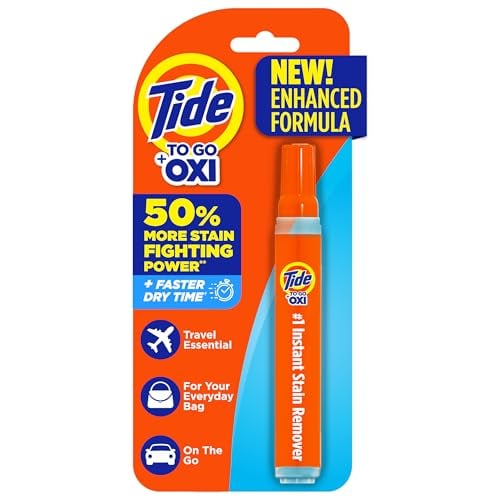
Tide to Go Instant Stain Remover Pen
If you only pack one thing from that list, make it this. Dab, blot, and a buttercream smudge never makes it into the photos. Get one for the emergency kit and one for your maid of honor’s bag.
So, What Actually Matters?
So, can you plan a wedding in six months? You can, and you should feel zero guilt about it, no matter how many raised eyebrows you collect along the way. One bride summed up the whole formula better than I ever could:
“I think I’m not stressing cos I just think the main things are pretty much sorted (venue, food, dress, photographer) and most of the other stuff doesn’t matter if it doesn’t work out.”
— via Reddit.com
Because your wedding is ONE day. It’s a magical, memorable day, but you and your partner have made the amazing decision to spend the rest of your lives together, and this will happen no matter what. The timeline may be shorter than average, but having each other (and one heck of a party to celebrate it) is the most important thing. The party will happen! Focus on the big picture instead.
“We are doing a 6 month engagement. People warned me against doing it, but honestly it has been fine.”
— via Reddit.com
Packed with every checklist, worksheet, and real-world price from this article (plus the priorities card game from month six, which you NEED to try), my Smart Wedding Planner walks you through it all in this exact order. So grab it if you need it, pop some champagne, and start that guest list. You have a wedding to plan, and exactly enough time to plan it!