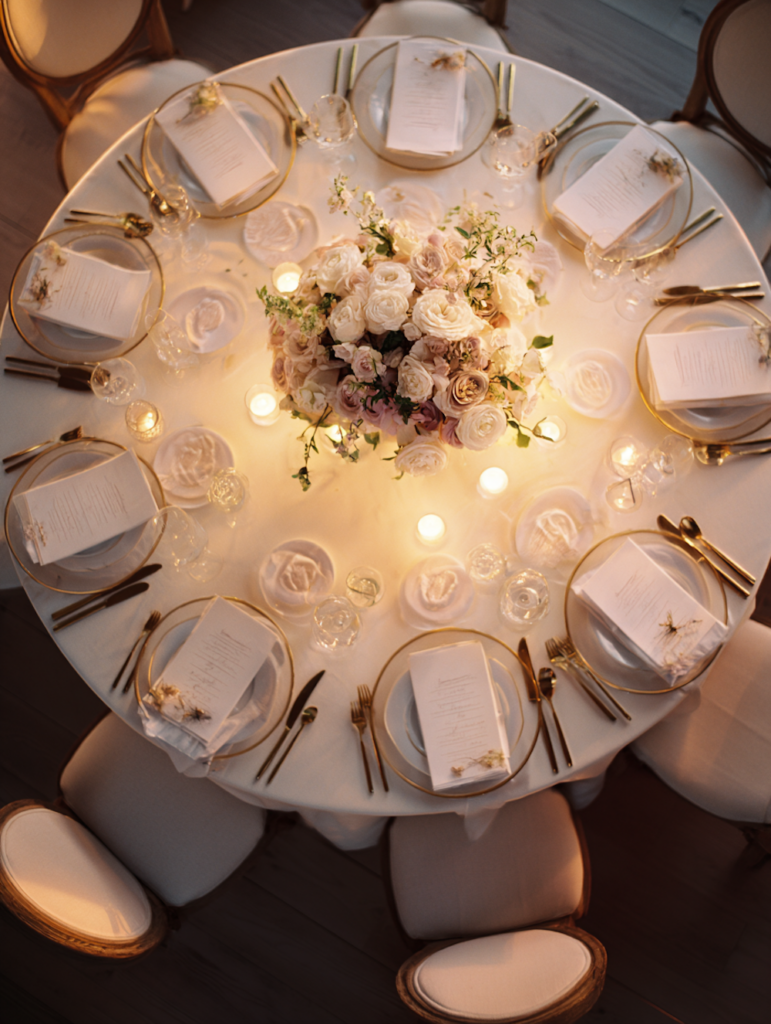
You survived the guest list. You survived the RSVPs. And now you’re staring at a seating chart that somehow has to make 150 people happy — including your divorced parents, your partner’s college roommate who dated your bridesmaid, and Great Aunt Carol who “doesn’t do well” at tables near speakers. Welcome to the part of wedding planning that nobody warns you about until it’s too late.
Here’s the truth: your seating chart will not make everyone happy. That’s not the goal. The goal is to make sure nobody is actively miserable, no one causes a scene, and the people you care most about have a great time. That’s it. The bar is lower than you think — but the mistakes that push things into drama territory are more common than you’d expect, and most of them are completely avoidable.
These are the seating mistakes that real brides, wedding planners, and more than a few Reddit threads keep coming back to. If you’re about to finalize your chart, read this first.
The Relationship Landmines
These are the mistakes that turn your reception into a Real Housewives reunion.
1. Seating divorced parents at the same table when they can’t stand each other.
If your parents are divorced and genuinely get along, same table is fine. If they’re civil but not warm, same table is a gamble. And if there’s still active tension — especially if one or both have remarried — putting them at the same table is asking for a night of icy silence at best and a whispered argument at worst. Give each parent their own table near the front, surrounded by their side of the family. Both feel honored, neither has to perform politeness for four hours. And whatever you do, don’t make one parent feel like the “B-list” table while the other gets prime real estate — that kind of thing gets noticed and remembered.
2. Putting exes within earshot of each other.
This isn’t just about your exes — it’s about your bridal party’s exes, your partner’s exes, and any recent breakups in your friend group. If two people used to date and it didn’t end well, they should not be at the same table, the adjacent table, or anywhere that forces them to make eye contact during the toasts. You’d be surprised how many brides forget that their maid of honor briefly dated one of the groomsmen, and now they’re seated three feet apart making aggressive small talk over the salad course. Do a quick audit of your guest list for any ex situations and build in distance.
3. Ignoring the family feud you “hope will be fine.”
Every family has one. Maybe it’s two siblings who haven’t spoken in years. Maybe it’s a cousin who said something unforgivable at Thanksgiving. Maybe it’s your mother-in-law and your aunt who had a falling out over something nobody fully understands anymore. Whatever it is — if you know about a conflict, seat around it. Don’t put feuding family members at the same table hoping the wedding vibes will magically fix a ten-year grudge. They won’t. Put them on opposite sides of the room and let everyone enjoy the night.
4. Seating someone’s new partner directly next to the ex’s family.
This one’s sneaky because it’s usually accidental. Your dad remarried, and his new wife ends up at a table full of your mom’s closest relatives. Or your partner’s brother just started dating someone new, and she’s suddenly surrounded by people who loved the previous girlfriend. Think about who’s sitting around each person, not just who’s at their table. The goal is for everyone to feel welcome, not like they wandered into enemy territory.
The Table Assignment Traps
These mistakes aren’t about specific feuds — they’re about the structure of your chart creating awkwardness that didn’t need to exist.
5. The dreaded “singles table.”
Nothing says “we didn’t know where to put you” like a table of eight strangers whose only thing in common is that they came alone. It’s the adult version of the kids’ table, and your single friends can smell it from across the room. Instead of grouping all your unattached guests together, mix them in with couples and friends they already know. If someone RSVPed solo, seat them with at least one person they’ll recognize — a college friend, a coworker, someone from the bridal party’s circle. The goal is for no one to sit down and think, “I don’t know a single person here.”
6. Splitting up couples.
This should go without saying, but it happens more often than you’d think — usually when a bride is trying to make table numbers work and figures “they’ll be fine, they’re together all the time.” No. Couples sit together. Period. This includes married couples, engaged couples, couples who’ve been dating for a while, and any plus-one situation. The only exception is if a couple specifically asks to be separated (and even then, double-check that they’re joking).
7. The “leftover” table.
You know the one. It’s the table in the back corner made up of the people who didn’t fit neatly anywhere else — your partner’s random work friend, your parents’ neighbor, the last-minute plus-one, and two cousins nobody’s close to. These guests can tell they’re the afterthought table, and it feels lousy. If you have a few people who don’t fit into existing groups, spread them across tables where the existing group is friendly and outgoing. Better to add one “wildcard” to a fun table than to create a whole table of wildcards who sit in silence.
8. Over-stuffing tables to avoid renting an extra one.
We get it — every additional table costs money (table, chairs, linens, centerpiece, place settings). But cramming ten people at a table designed for eight means elbows bumping, no room for bread plates, and guests who feel like they’re on a packed subway. It’s uncomfortable, it makes the photos look crowded, and it’s one of the first things people notice. If the math doesn’t work, rent the extra table. Your guests — and your caterer — will thank you.
9. Assigning tables but not seats, and expecting it to sort itself out.
There are two schools of thought: assign tables only (guests pick their own seat at the table) or assign specific seats. If you’re going with table-only assignments, that’s totally fine for most groups — but know that it can create awkward jockeying at tables with mixed dynamics. If Table 7 has your college friends and your partner’s uncle, guess who ends up in the weird seat next to someone they’ve never met? For VIP tables (parents, grandparents, bridal party), assigned seats are worth the extra effort.
The Logistics Nobody Thinks About
These aren’t about who likes whom — they’re about the physical reality of the room and how your layout affects the guest experience.
10. Putting your parents’ table in the back of the room.
Your parents (and your partner’s parents) should be at the tables closest to you — whether you’re doing a sweetheart table, a head table, or just a regular table for the couple. They should have clear sight lines to the dance floor for the first dance and to the mic for the toasts. Putting them in the back or off to the side feels like a demotion, especially if they helped pay for the wedding. Front and center, both sets.
11. Not thinking about the DJ and speaker proximity.
The tables closest to the DJ or band are going to get blasted with sound all night. Those are fine for your college friends who will be on the dance floor anyway. They are not fine for your 85-year-old grandmother who’s hard of hearing and will spend the whole reception yelling “WHAT?” at the person next to her. Put elderly guests, guests with small children, and anyone who you know prefers conversation over dancing at the tables farthest from the speakers. This is an easy one that makes a huge difference.
12. Seating elderly guests or guests with mobility issues far from the bathrooms.
If your grandparents, pregnant guests, or anyone with a disability needs frequent or easy bathroom access, don’t put them at the table that requires crossing the entire dance floor and navigating a hallway to get there. Seat them near the restrooms, near an exit if they need fresh air, and at the end of a row or table where they can get up without climbing over three people. This is one of those small things that shows you actually thought about your guests’ comfort.
13. Forgetting that some tables will have bad sight lines during toasts and speeches.
If the mic is set up near the head table and your guest tables wrap around behind a pillar, those guests are going to miss the toasts — which are often the most emotional part of the reception. Walk the room before you finalize the chart and figure out which tables can see and hear the front. If any are blocked, don’t put VIPs or close friends there. Save those for guests who are more likely to be mingling or on the dance floor anyway.
14. Putting the “party” table right next to the “quiet” table.
You know which of your friend groups is going to get loud. You also know which table is going to be your older relatives having a nice, civilized dinner. Don’t put those tables next to each other. Create a natural buffer — put a mixed-age table or a family table between them so the energy transitions gradually instead of your grandmother’s table being three feet from your college roommates doing shots.
The Etiquette Mistakes
These are the ones that hurt feelings — sometimes quietly, sometimes not.
15. Choosing a sweetheart table without thinking about how it reads.
A sweetheart table (just you and your partner) is romantic and increasingly popular. But here’s the flip side: if you do a sweetheart table, your bridal party — who just stood up for you, planned your parties, and spent money on attire — is now seated at a regular table while you eat alone. Some bridal parties genuinely don’t care. Others will feel a little stung, especially if they expected a head table. If you go the sweetheart route, make sure your bridal party is at the closest table, and consider having them join you for a toast or two. A quick acknowledgment goes a long way.
16. Seating a plus-one away from the person who brought them.
If someone brought a date, that date sits with them. Always. Even if it messes up your table count. There are few things more uncomfortable than being a plus-one at a wedding where you know nobody, and then finding out you’re seated across the room from the one person you came with. If you need to adjust numbers, move the guest-plus-date together to a different table — don’t split them up.
17. Making the kids’ table feel like punishment.
If you’re doing a kids’ table, it can actually be great — kids often prefer sitting together, and parents get a rare night of eating dinner with both hands free. But the table needs to feel fun, not banished. Put it close enough that parents can keep an eye on things (not in a hallway or a separate room). Add coloring books, crayons, or activity packs to the table. Make sure the kids are served early so they’re not melting down from hunger while the adults are on course two. And assign at least one older teen or responsible adult nearby in case things go sideways. A kids’ table done well is a win for everyone. A kids’ table done poorly is chaos.
18. Not sharing the seating chart with your parents before the wedding.
This is where a lot of preventable drama lives. If your mom finds out at the reception that she’s seated behind a pillar while your mother-in-law has a front-row table, you’re going to hear about it — probably not at the wedding, but definitely after. Run your chart by both sets of parents (and your partner) before it’s final. They’ll catch things you missed — like the fact that cousin Derek and Uncle Jim haven’t spoken since 2019, or that your partner’s college friend actually broke up with his girlfriend last month and she’s now a solo guest. Five minutes of parent review can save you hours of post-wedding fallout.
When to Just Let It Go
Not every seating decision needs to be agonized over. If you’ve avoided the big mistakes above — if the feuding relatives are separated, the parents feel honored, the elderly are comfortable, and no one is stuck at the dreaded leftover table — you’ve done your job. After that, let it breathe. Most guests will spend maybe 45 minutes at their actual seats before they’re up dancing, mingling at the bar, or wandering over to say hi to someone at another table. Your seating chart is a starting point for the evening, not a prison sentence.
And one more thing: if you’re still stressing about whether Aunt Beth will be OK next to cousin Emily, remember that you are throwing a party for the people you love. The food will be great. The music will be great. Almost everybody is going to have a wonderful time regardless of where they sit — because they’re there for you. The chart matters, but it doesn’t matter that much.
The Send-Off
The seating chart is one of those wedding tasks that feels impossible until it’s done — and then you barely think about it on the actual day. Do a first pass on your own, run it by your partner and your parents, check for the landmines above, and then finalize it. Take a deep breath. Print the escort cards. And then go enjoy the part of wedding planning that’s actually fun — because this one is officially off your plate.
More From WGM
- How to Plan a Wedding: A Complete Guide
- The Ultimate Wedding Checklist
- How Long Should a Wedding Reception Be?
- Wedding Program Examples to Inspire Yours
- Real Weddings: What Couples Say After the Big Day
Some links in this post may be affiliate links, which means we may earn a small commission if you make a purchase through them. Thank you for your support!