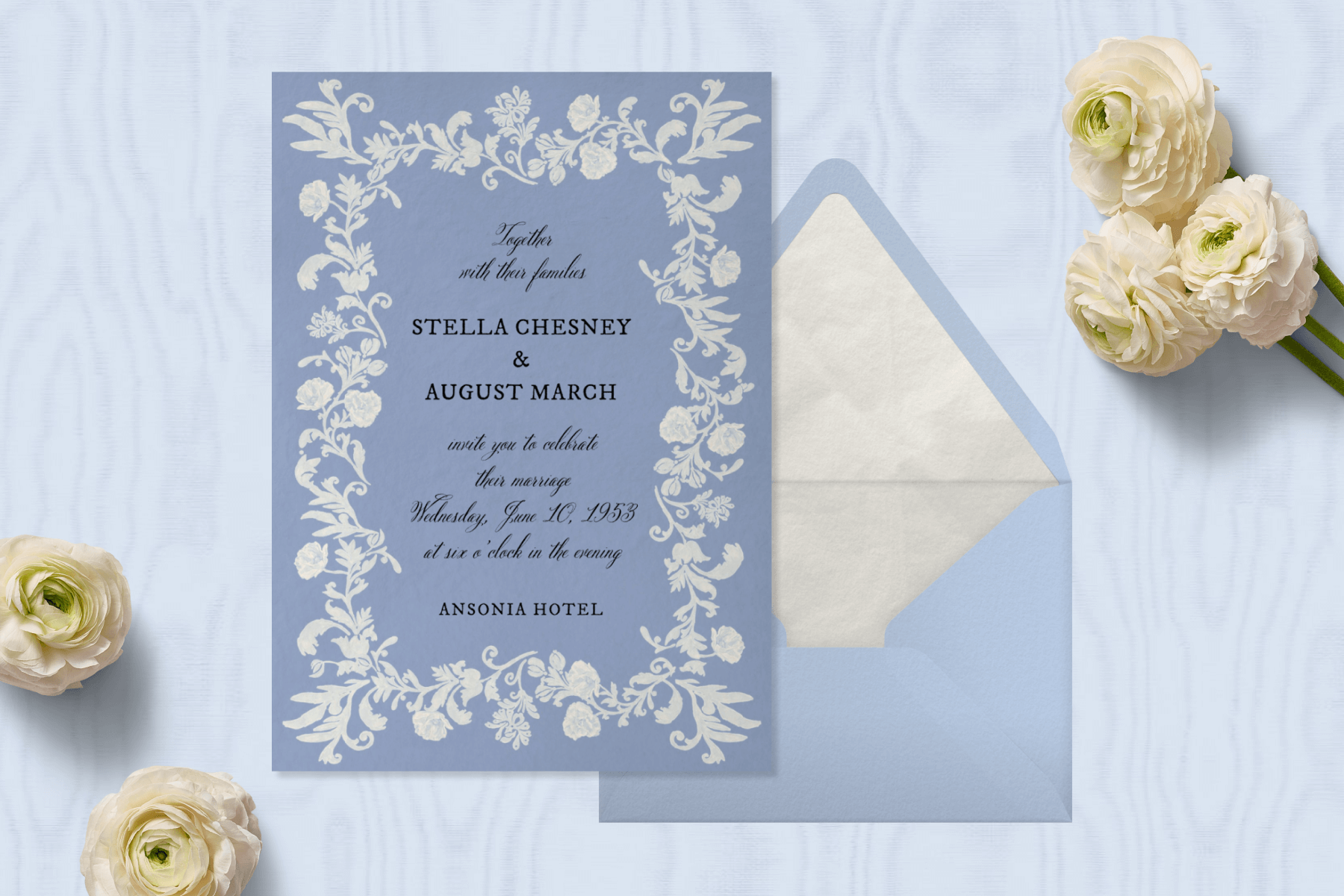
Remember that rush of excitement you felt whenever a fancy envelope landed in your mailbox? Oh, the thrill of it! The “Who’s getting married?!” or “Whose birthday did I forget?!” moments. But as we’ve swirled into the digital age, our mailboxes have been, well, a tad empty. I mean, let’s be honest, who writes letters anymore? Crickets chirping. I personally have to remind myself to go to my mailbox. After all, if you sign up for paperless billing and get most of your magazines (remember those?!) online, the only thing coming in the mail is, well, mostly junk. That doesn’t mean I don’t LOVE a physical invitation for occasions such as weddings. It’s just that for more casual events, digital invites like those from Paperless Post are no longer considered taboo but actually preferred in some cases.
But truthfully, digital invitation platforms like Paperless Post, Evite, Greenvelope, and Punchbowl can be a little intimidating. Even for me, and I run a website. But once you get the hang of it, it’s fairly easy to understand. So, for those of you who adore the charm of a handwritten note, but also love the convenience of emails, keep reading!
For 2026, a few things have shifted. The coin pricing has nudged up, there’s a new Paperless Pro subscription worth knowing about if you’re sending more than one event in a year, and Flyer (the free, textable side of the platform) has quietly gotten really good for casual events. Here’s the friend-to-friend rundown of what you’re actually getting this year, how pricing works now, what Paperless Post does better than anyone, and where it stacks up against Evite and Greenvelope.
Quick Verdict: Is Paperless Post Worth It in 2026?
Yes, for design-forward couples. Paperless Post is the only digital invitation platform with Rifle Paper Co., Kate Spade, Oscar de la Renta, and Carolina Herrera templates, and the envelope animation makes the invite feel like real mail. Premium wedding invitations cost about $46 to $57 for 100 guests using the coin system. The free Flyer option covers casual events up to 50 guests. Skip it if you only need a basic RSVP form, or if you want printed paper invitations as your primary plan.
- Best for: Wedding invitations, save-the-dates, formal showers
- Free tier: Up to 50 guests on basic Card or Flyer designs (per year)
- Premium pricing: Roughly $0.14 to $0.48 per guest, depending on coin pack
- Subscription option: Paperless Pro, ~$250/year, unlimited premium up to 250 guests
- Top alternatives: Greenvelope (annual subscription), Evite (casual events)
How Does Paperless Post Work?
Paperless Post is a digital invitation platform that lets you send customizable cards, invitations, and flyers by email or text. Recipients receive an animated envelope they tap open to reveal the invitation, and you track RSVPs through your account dashboard. There’s a free tier for basic designs and a coin-based payment system for premium designs and add-ons.
Paperless Post launched in 2008, founded by siblings James and Alexa Hirschfeld out of Harvard. The pitch was, and still is, digital invitations that don’t look digital. The signature move is the envelope animation: your guest gets an email, taps it open, and the invitation slides out of an envelope with their name written across the front. It’s the closest a screen has come to feeling like real mail in your hand.
Beyond the envelope, you get hundreds of customizable designs across weddings, showers, birthdays, dinners, holidays, and corporate events. You can change fonts, colors, photos, and copy on most templates, or upload your own artwork. RSVP tracking, guest messaging, registry links, and an online event page are baked in. If you want a paper version of your design, there’s a print partnership too, though most people use the platform for digital only.
The platform offers two main products in 2026: Cards (the formal invitation with the envelope animation) and Flyer (the casual, textable, link-based invite). Cards are what most couples use for save-the-dates and wedding invitations. Flyer covers everything else.

The Designer Collaborations Are the Real Sell
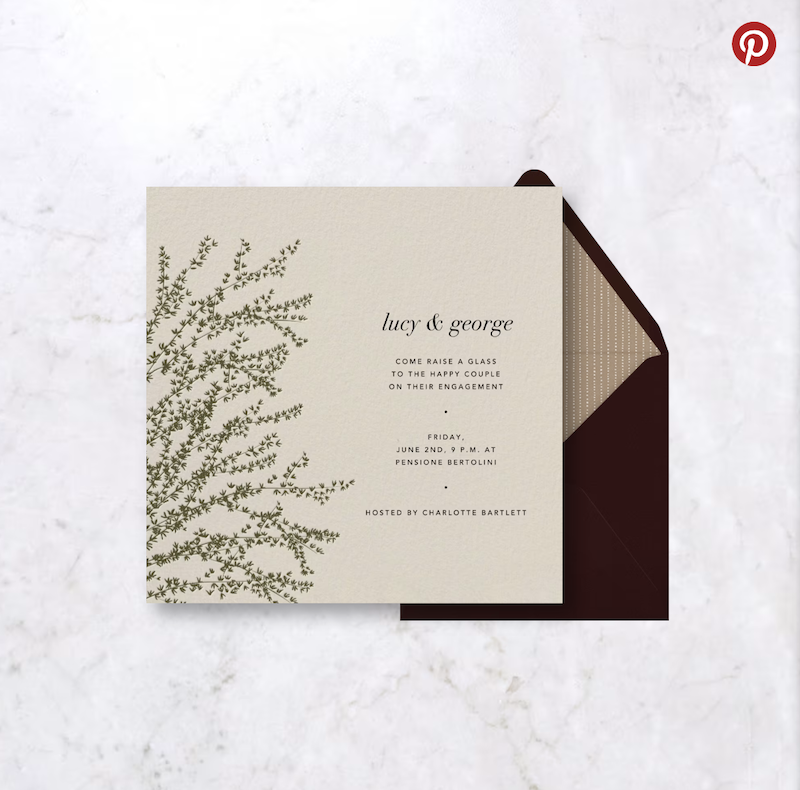
This is where Paperless Post earns its premium price tag. The designer collection includes Rifle Paper Co., Kate Spade New York, Oscar de la Renta, Carolina Herrera, John Derian, and Kelly Wearstler. Those are names you’d recognize from the print stationery world, available as digital cards with matching paper goods. If you want a Rifle Paper Co. floral save-the-date that actually looks like Rifle Paper Co., Paperless Post is the only digital invitation platform where you’ll find one.
The in-house designs hold up too. Modern minimalist, watercolor florals, classic letterpress looks, deco, photo-driven, garden party, black-tie, you can find a template that fits almost any wedding aesthetic without it feeling like a stock e-card.
We loved: The designer envelope liners and virtual stamps that come with most premium templates. They aren’t just decoration. They’re what makes the email feel like opening a real piece of mail instead of getting a calendar invite.
How Much Does Paperless Post Cost in 2026?
Paperless Post is free for up to 50 guests on basic designs and uses a coin system for premium designs. Coin packs range from $12 (25 coins) to $140 (1,000 coins), and most premium wedding invitations cost about $0.14 to $0.48 per guest, depending on which pack you buy and how many add-ons you stack on. For a 100-guest wedding, plan to spend roughly $46 to $57 on a fully customized premium invitation.
The coin system is the part everyone finds confusing the first time. Coins are the currency. You buy them in packs, and each premium card costs a set number of coins per guest you send it to.
Here’s what the coin packs cost in 2026:
- 25 coins: $12.00
- 100 coins: $25.00
- 200 coins: $46.00
- 300 coins: $57.00
- 450 coins: $77.00
- 600 coins: $96.00
- 1,000 coins: $140.00
Premium cards start at 2 coins per recipient. Add an envelope liner, a custom backdrop, a virtual stamp, or a photo backdrop and that climbs to roughly 4 to 6 coins per recipient. The math works out to about $0.14 to $0.48 per guest, depending on which coin pack you buy and how many extras you stack on.
Worth it: For a 100-guest wedding, a fully decked-out premium invitation costs roughly $46 to $57. That’s less than a single roll of postage stamps for traditional paper invites, and you can save the paper budget for your day-of stationery.
The New Paperless Pro Option
Paperless Pro is the annual subscription that’s worth knowing about if you’re sending multiple events. It runs around $250 per year and gets you unlimited premium customization for up to 250 guests annually. If you’re sending save-the-dates, the wedding invitation, a rehearsal dinner card, and maybe a thank-you card or holiday card in the same calendar year, Pro pays for itself fast. For a single wedding event, the coin system is usually still the cheaper move.
Is Paperless Post Free? The Flyer Option Explained
Yes, Paperless Post is free for up to 50 guests on basic designs, and the Flyer product is fully free for textable invitations. Flyer is the casual, link-based side of Paperless Post. You build a custom invite with images, GIFs, text effects, and stickers, then share a link via text, group chat, Instagram DM, or email. Up to 50 guests, no charge.
What surprised me: the design tools on Flyer are way better than the free side of Paperless Post used to be. There are no ads, the page loads fast on mobile, and you can add Blocks for a photo gallery (great for “send your outfit pics” prompts), a links block (drop a Spotify playlist your guests can add to), or a poll. RSVP tracking is included.
Best for: Bachelorette weekends, engagement parties, rehearsal dinners, day-after brunches, anything where the formal envelope animation would feel like overkill.
Heads up: For the actual wedding invitation, you’ll probably want a Card (the one with the envelope animation) over a Flyer. The Flyer has more of a hosted-event vibe. The Card feels like an invitation.
Paperless Post RSVP and Guest Management Tools
Paperless Post handles RSVPs, guest messaging, meal choices, plus-ones, and registry links inside the same event page as the invitation. You can see who’s opened the invitation, who’s responded, and who needs a reminder, all from your dashboard. Auto-reminders can be set to nudge non-responders before your deadline.
This is where Paperless Post puts in real work. You can track RSVPs in real time, collect meal choices and dietary restrictions, capture plus-one info, message guests individually or all at once, set automatic reminders for non-responders, and sort and filter your guest list. Registry links from Zola, The Knot, and Amazon all plug in.
If you’re still on the fence about whether to do online RSVPs at all, we have a longer take on the etiquette pros and cons in this guide on online RSVPs. For a casual or destination wedding, online RSVPs through Paperless Post are more reliable than mailing in paper cards. Fewer get lost, and the auto-reminders catch the chronic late-responders without you having to text every cousin individually.
Pro tip: Set your RSVP deadline four weeks before the wedding, not two. Caterers usually need final numbers one to two weeks out, and that buffer gives you time to chase late guests without panicking. We get into the most common RSVP mistakes brides run into if you want a fuller breakdown.
Paperless Post Pros: Where It Wins
Paperless Post wins on design quality, presentation, and wedding-specific features. It has the largest designer template library of any digital invitation platform, the envelope animation makes invites feel like real mail, and the event page handles multi-event weddings (ceremony, reception, welcome dinner) in a single invitation.
The designs. Across every digital invitation platform on the market, Paperless Post has the best-looking selection. The designer collaborations alone put it ahead of Evite and Greenvelope, and the in-house illustrations are well done. If your wedding has a specific aesthetic, you can find a template that matches it.
The presentation. The envelope animation is a small detail, but it changes how guests treat the invitation. They notice it. They open it more like real mail and less like a “see you Friday” calendar invite, which matters for a wedding.
The wedding-specific features. One invitation can include multiple events (ceremony, reception, welcome dinner, day-after brunch), with separate RSVP options for each. Registry linking, dress code blocks, accommodation links, and travel info pages are all built in. You can run your whole guest experience through the event page if you want to skip a separate wedding website.
Paperless Post Cons: Where It Falls Short
The biggest drawbacks are the confusing coin pricing system, hidden costs from premium add-ons, and limited print options if you also want paper invitations. The 50-recipient free tier also resets per year, not per event, which catches many users off guard.
The coin system itself. Every Paperless Post review on the internet flags this, and rightly so. Until you’ve sent a few, you can’t intuitively price an invitation. “5 coins per guest” doesn’t mean anything until you do the math. Most people overbuy or underbuy on the first round, and unused coins don’t expire, but they also can’t be refunded.
Premium add-on creep. The base card price is fair, but the prettiest envelope liners, custom backdrops, and stamps each cost extra coins. A stripped-down premium card might be 2 coins per guest, but the version that actually looks like the marketing photo is closer to 6 to 8. Always preview the final cost before you check out, not after.
Limited print options. If you want to print your digital design as physical invitations, the print partnership exists, but it feels like an afterthought compared to going through Minted or Zola from the start. If paper is part of your plan, start with a paper-first stationery platform.
Watch out for: The 50-recipient free tier resets per year, not per event. If you’ve already sent a free birthday Card this year, your wedding save-the-date won’t be free.
Paperless Post vs. Evite vs. Greenvelope: 2026 Comparison
Paperless Post wins on design and presentation, Greenvelope is the better value for couples sending multiple events on one annual subscription, and Evite is the cheapest option for casual non-wedding events. Here’s how the three platforms stack up in 2026:
| Platform | Starts at (2026) | Best for |
|---|---|---|
| Paperless Post | Free up to 50 guests per year; premium ~$0.14–$0.48 per guest | Design-forward couples who want the envelope animation feel |
| Paperless Pro | ~$250/year, unlimited premium up to 250 guests | Couples sending multiple events in one year (save-the-date + invite + rehearsal) |
| Evite | Free with ads; premium $17.99–$99.99 per event; Evite Pro $249.99/year | Casual events, kids’ parties, group dinners |
| Greenvelope | $125/year unlimited mailings (small lists); ~$225/year for 150 guests | Couples wanting one annual subscription that covers everything |
Quick translation: Paperless Post is the design winner. Greenvelope is the value play if you want one annual fee and don’t care about big-name designer collaborations. Evite is the casual choice for non-wedding events.
So, Is Paperless Post Worth It for Your Wedding?
Paperless Post is worth it for couples who care about design, want a polished digital invitation that doesn’t look like a calendar invite, and value the convenience of built-in RSVP tracking. It’s the right call for save-the-dates, wedding invitations, and casual wedding-week events. It’s not worth it if you only need a basic RSVP form, want printed paper as your primary invitation, or are sending fewer than 30 guests on a tight budget.
For the wedding invitation itself, yes, if you care about the design. There’s no other digital platform with Rifle Paper Co. or Kate Spade templates, and the envelope animation makes the invite feel like a real piece of mail. For 100 guests, you’re looking at $46 to $57 for a fully customized premium invitation. That’s less than what most paper invitation suites cost in postage alone.
For save-the-dates, also yes. This is where digital makes the most sense. Nobody is keeping a save-the-date on the fridge for six months, so the paper budget is better saved for the actual invitation. We have a full guide on when to send save-the-dates if you’re working out the timeline.
For casual wedding events (engagement party, bachelorette, rehearsal dinner, brunches), use Flyer. It’s free, fast, and the design tools are good enough that you won’t miss the formal Card.
Skip it if: You’re sending fewer than 30 guests and don’t care about the designer collection. A free Zola wedding website with a built-in RSVP form will do the same job for $0. And if printed paper invitations are part of your plan, start with a paper-first platform like Minted, not Paperless Post.
Paperless Post FAQ
Are Paperless Post invitations tacky for weddings?
No, Paperless Post invitations are widely accepted for weddings in 2026, especially for save-the-dates, casual or destination weddings, and second weddings. Etiquette has shifted significantly in the last decade, and digital invitations from a design-forward platform like Paperless Post (with envelope animation and designer templates) are no longer considered informal. For a black-tie or very traditional wedding, some couples still prefer paper for the main invitation and use Paperless Post for save-the-dates only.
Can you see who has opened a Paperless Post invitation?
Yes. Paperless Post tracks open status for every recipient. From your event dashboard, you can see who has opened the invitation, who hasn’t, and who has responded yes, no, or maybe. This is one of the platform’s most useful features for chasing late RSVPs without having to text every guest individually.
Is Paperless Post or Evite better for a wedding?
Paperless Post is better for weddings. It has stronger designs, designer collaborations (Rifle Paper Co., Kate Spade, Oscar de la Renta), an envelope animation that feels formal, and built-in features for multi-event weddings. Evite is better for casual events like kids’ birthdays and office parties because it’s cheaper and simpler, but its designs and presentation feel more casual than most couples want for a wedding invitation.
Is Paperless Post free for weddings?
The free tier covers up to 50 guests on basic Card or Flyer designs, per year (not per event). Designer or premium designs require coins. For most weddings, plan to spend $25 to $57 on coins for the invitation alone, depending on the design and how many add-ons you use.
How many coins does a wedding invitation cost?
Most premium wedding invitations are 2 coins per guest as the base, climbing to 5 to 8 coins per guest with envelope liners, backdrops, custom stamps, and other add-ons. For 100 guests with a fully decorated invite, plan for around 500 to 800 coins.
Can I send Paperless Post invitations by text message?
Yes. Both Cards (the formal product with the envelope animation) and Flyers (the casual product) can be shared via SMS link in addition to email. Flyer is built primarily around text-message sharing, so if you’re inviting a younger or text-first crowd, Flyer is the smoother option.
How does Paperless Post compare to Evite?
Paperless Post has stronger designs and a more polished presentation. Evite is cheaper for casual events and has a more developed free tier, though it shows ads on the free side. For weddings, Paperless Post is usually the better fit. For a kid’s birthday or office party, Evite usually wins on simplicity and price.
Can I print Paperless Post designs as paper invitations?
Yes, there’s a print partnership built into the platform, though most users find the print options limited compared to dedicated stationery sites. If paper is your priority, start with Minted or Zola instead.
Do unused Paperless Post coins expire?
Coins don’t expire as long as your account is active, but they aren’t refundable for cash. Buy slightly fewer than you think you need on the first pass. You can always top up.
Some links in this post may be affiliate links, which means we may earn a small commission if you make a purchase through them. Thank you for your support!