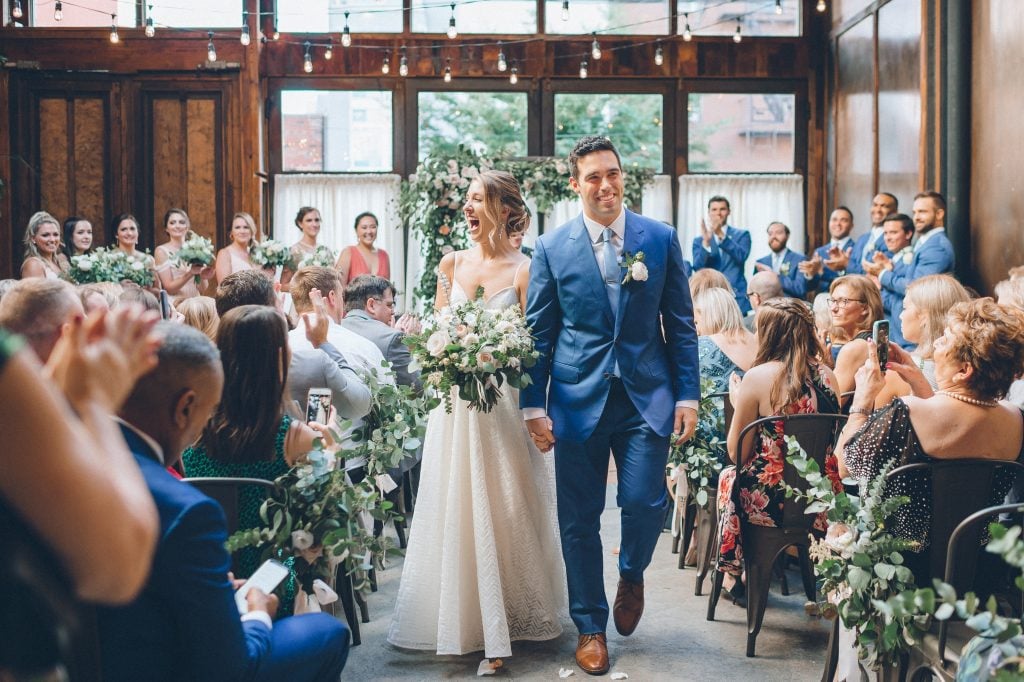
A lot of wedding “rules” were written decades ago, sometimes centuries ago, for couples whose lives looked nothing like ours. We’re talking about an era of dowries, arranged marriages, and gender norms so rigid they’d make your head spin. And while honoring tradition is beautiful when it genuinely means something to you, following a rule simply because “that’s how it’s always been done”? Hard pass.
The good news is that modern couples are officially rewriting the rulebook, and etiquette experts are right there cheering them on. Whether you’re navigating family pressure or just trying to figure out what you actually have to do, consider this your official permission slip to let go of the stuff that no longer serves you and plan a wedding that’s actually yours.
Here are 18 outdated wedding etiquette rules you can ditch in 2026. No guilt required.
1. The Bride’s Parents Pay for Everything
This one has roots that go all the way back to the dowry system, where a bride’s family would literally transfer wealth to the groom’s family as part of the marriage arrangement. That’s not exactly a tradition worth preserving. Today, couples fund their weddings in all kinds of ways: splitting costs between both families, covering everything themselves, or piecing it together with contributions from multiple people. In fact, more than 40% of couples now receive financial help from parents or relatives on both sides, and there’s no single “right” formula anymore.
If parents are contributing, the most important thing is a transparent conversation upfront about what that means in terms of expectations, input, and guest list influence. Check out our Wedding Planning Book for expert advice on how to handle those conversations without the awkwardness.
2. You Can Only Start Planning After You’re Engaged
Here’s the reality check nobody warned you about: popular wedding venues in major cities are booking out 18 to 24 months in advance. If you wait until the ring is on your finger to start researching venues, you may be waiting an extra year just to get the date you want. Plenty of couples today are putting holds on dream venues or even booking photographers before the proposal technically happens. If you know it’s coming and you know what you want, there is absolutely nothing wrong with getting a head start. Etiquette experts agree: this “rule” is officially a relic.

3. The Groom Must Not See the Bride Before the Ceremony
Fun fact: this superstition didn’t come from romance. It came from arranged marriages, where families worried that if the couple laid eyes on each other beforehand, one of them might bolt. Not exactly the energy we’re going for. Today, roughly half of all couples opt for a first look, a private and intimate moment together before the ceremony begins, and for good reason. It takes the pressure off, lets you actually be present at the altar instead of overwhelmed, and opens up your wedding day timeline considerably. If a first look feels right for you two, don’t let a centuries-old superstition be the reason you skip it.
4. Guests Cannot Wear Black to a Wedding
This one has been thoroughly debunked, and it’s about time. Black is chic, classic, and frankly one of the most elegant choices for a formal event. Fashion-forward brides have been vocal about encouraging guests to embrace black, especially at evening or black-tie weddings. The only guideline still worth keeping: read the dress code, dress for the venue, and please, whatever you do, don’t upstage the couple. Beyond that? Wear the black dress. We promise nobody’s going to think you’re mourning anyone.
5. Every Guest Must Have a Plus-One
According to the U.S. Census Bureau, over 46% of adults are single. The old rule said every guest automatically gets a plus-one, but that was from an era when people rarely attended formal events solo and practically everyone was paired up by their mid-twenties. Today, it’s completely acceptable to offer plus-ones selectively: for established couples (married, living together, or in a serious long-term relationship), and at your own discretion for everyone else. As etiquette expert Lizzie Post of the Emily Post Institute puts it, if you can accommodate new relationships, great. But guests shouldn’t expect it. You’re not obligated to add dozens of near-strangers to your wedding simply because your guests happen to be casually dating someone.
6. You Must Have a Traditional Wedding Party
The idea that you must have a lineup of bridesmaids and groomsmen flanking you at the altar is completely optional in 2026. Some couples are going without a wedding party altogether. Others are keeping a small group of their closest people and calling them whatever they want. Some are opting for a “VIP” model where loved ones get special seating and recognition without having to walk down the aisle or coordinate outfits. There are also plenty of couples mixing things up entirely: bridesmaids who are men, groomsmen who are women, best people of any gender, and wedding parties of one. The point is that this is your celebration, and whoever you want standing beside you (or not) is the right call.
7. The Wedding Party Must All Match Perfectly
Gone are the days of six identical satin gowns in a color your friends will never wear again. Today’s couples are leaning into mismatched bridesmaid looks: same color palette with different silhouettes, same style in different complementary shades, or a mix of fabrics and lengths that lets everyone wear what actually flatters them. The result feels more personal, more flattering across different body types, and genuinely more beautiful in photos. Your people aren’t background dancers. They’re individuals, and dressing them that way shows it.
Need inspiration for choosing bridesmaid dresses that work for everyone? We’ve got you covered.
8. Invitations Must Be Printed and Mailed
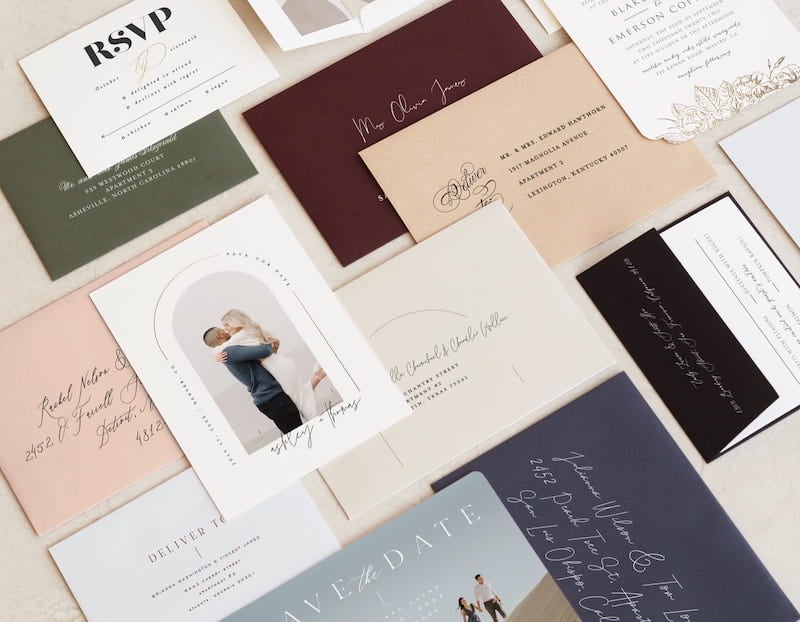
Paper invitations are beautiful, and if you love them, absolutely go for it. There’s still something undeniably special about a gorgeous printed suite arriving in the mail. But they are no longer required. Digital invitations have become a totally legitimate and increasingly popular choice, especially for destination weddings, eco-conscious couples, or anyone who appreciates being able to track RSVPs in real time without chasing down response cards. Many platforms have seriously elevated their designs, and guests appreciate how easy it is to respond with a single click. It’s a genuine win-win.
If you do go the printed route, there are plenty of smart ways to save on wedding invitations without sacrificing the look.
9. Asking for Cash as a Gift Is Tacky
Not anymore, and honestly, it hasn’t been for a while. The original logic behind registering for physical gifts was that young couples were setting up their first home together and needed dishes, appliances, and linens to get started. Today, many couples have been living independently or together for years and already own two of everything. Registering for a honeymoon fund, a cash contribution toward a home down payment, or experience-based gifts is not only acceptable, it’s often preferred by guests who would rather give something meaningful than guess at what you need.
The one etiquette rule that hasn’t changed: don’t put registry information on your wedding invitations. Share it on your wedding website, your save-the-dates, and through word of mouth instead. Check out our guide to the best honeymoon registry options for ideas.
10. The Bouquet and Garter Toss Are Non-Negotiable
Survey your single friends before you make them line up for the bouquet toss and you might be surprised how few of them are actually excited about it. Both the bouquet toss and the garter toss have quietly been disappearing from reception timelines for years, and for good reason. They can feel awkward, exclusionary (especially for guests who are widowed, divorced, or simply don’t want their relationship status put on public display), and they almost always kill the energy on the dance floor at the worst possible time.
Many couples are choosing heartfelt alternatives instead: presenting the bouquet to a beloved parent or grandparent, toasting to the longest-married couple in the room, or simply skipping both and keeping the party moving. Nobody’s going home disappointed.
11. You Must Have a Receiving Line
The receiving line, where the couple and their families stand in a queue to greet every single guest immediately after the ceremony, made sense when weddings were formal affairs with very specific structure. Today, it tends to trap couples in an assembly-line handshake situation right when they could be enjoying cocktail hour, taking portraits, or simply having five minutes alone together after an emotional ceremony. Most modern couples skip it entirely and mingle naturally throughout the reception instead, stopping by tables, sharing moments with guests on the dance floor, and letting the hugs happen organically. Turns out, that’s actually more meaningful than a 45-minute lineup. Besides, you didn’t rent that gorgeous floral arch just to stand beside it shaking hands like you’re running for office.

12. You Must Have a Formal Sit-Down Dinner
The idea that a “real” wedding requires a plated, formal dinner with multiple courses is officially outdated. Couples today are embracing creative, guest-friendly food formats that often feel more fun and less stuffy: cocktail-style receptions with heavy hors d’oeuvres and food stations, family-style shared platters, taco bars, wood-fired pizza, grazing tables, late-night food trucks. The list goes on. Buffet-style service with formal place settings is also having a major moment, giving couples elegant presentation with flexible, dietary-restriction-friendly menus. The goal is a meal your guests will talk about, and the format matters a lot less than the food itself.
13. The Bride’s Side Sits on the Left, Groom’s Side on the Right
This one is a classic that most guests don’t actually care about and most couples forget to enforce anyway. The tradition of separating guests by “whose side” they’re on dates back to when families were often strangers to each other. But most modern couples have overlapping friend groups, blended families, and loved ones who know everyone in the room. Plenty of couples today simply direct guests to sit wherever they’d like, or opt for a mixed seating arrangement from the start. It’s more relaxed, it integrates guests who might not know many people, and it makes for a warmer, more connected ceremony atmosphere.
14. The Father Must Walk the Bride Down the Aisle
Walking down the aisle with your father is a beautiful tradition, if it’s meaningful to you. But the original symbolism behind it was the literal “giving away” of a woman from her father to her new husband, which feels a little out of step with 2026. Today, brides walk with whoever feels right: both parents, just their mother, a stepparent, a sibling, a beloved friend, their partner, or completely solo. Some couples even walk down together. There’s no wrong answer. The processional should reflect your relationships and what feels most meaningful to you on that day.
15. The Rehearsal Dinner Must Be a Formal, Catered Affair
Traditionally, the groom’s family hosted and paid for a full rehearsal dinner the night before the wedding, a formal seated meal at a restaurant or private venue. Today? The rehearsal dinner looks like whatever the couple wants it to look like. Some couples are skipping it altogether and hosting a casual backyard hangout instead. Others are turning it into a pizza-and-wine night at someone’s home, a group outing to a favorite local spot, or an intimate dinner with just immediate family. The budget savings can be significant, and a relaxed, fun evening the night before your wedding is often more enjoyable for everyone involved anyway.
16. Wedding Favors Are Required
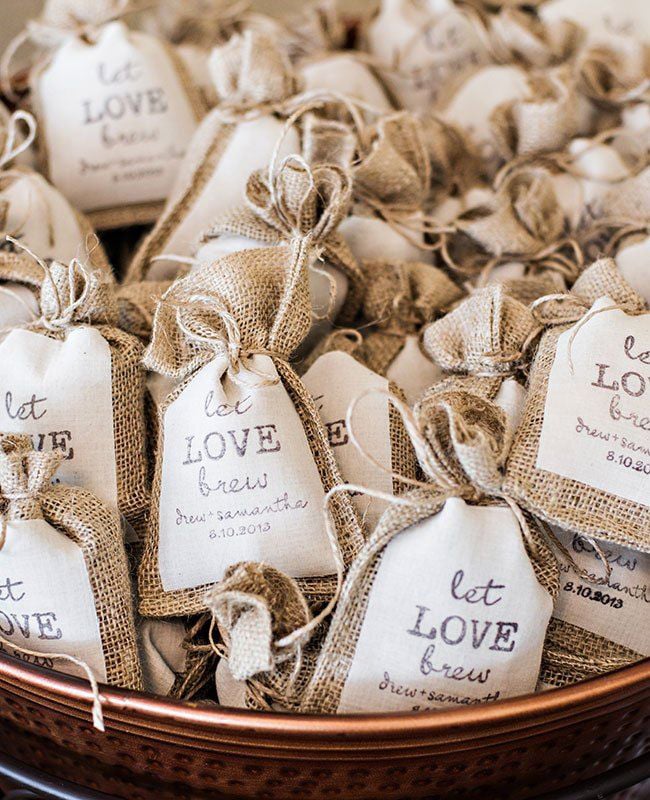
Unless you’re handing out something guests will genuinely use, wedding favors have a pretty well-documented history of being left on tables at the end of the night. A warm cookie for the drive home, a local honey jar, a seed packet that actually gets planted: those work. A monogrammed shot glass or a tulle bag of Jordan almonds? Less so. Many couples are redirecting that budget (which can easily run $3 to $8 or more per person) toward something with more impact: a charitable donation in guests’ honor, a late-night snack station, upgraded food or drinks, or simply keeping the bar open an extra hour. Nobody ever left a wedding wishing there had been a favor.
17. The Bride Must Wear White
White wedding dresses are a relatively recent tradition. Queen Victoria popularized the look in 1840, before which brides simply wore their best dress in whatever color they owned. Today, brides are embracing color, texture, and non-traditional silhouettes that reflect their personal style: blush, champagne, ivory, sage, soft blue, bold red, and everything in between. Many brides are also opting for a second look at the reception, a shorter dress, a jumpsuit, or a different gown entirely for dancing. The dress should make you feel like yourself. If that’s a white ballgown, perfect. If it’s a silk slip dress in dusty rose, also perfect.
Looking for inspiration? Browse our guide to fun wedding dress colors that real brides are loving.
18. You Have a Full Year to Send Thank-You Notes
The “you have a year” myth needs to be retired right along with the rest of these rules. There is no etiquette standard anywhere that says thank-you notes can wait 12 months. The actual guideline is within three months of receiving a gift, and the sooner the better. A good strategy: write a few notes each week as gifts arrive so you’re not staring down a mountain of 150 blank cards the week after you get back from your honeymoon. Keep a running list of who gave you what (a quick photo of the gift next to the card works great), divide the notes with your partner based on whose side each guest is from, and keep it personal. One genuine, specific sentence about the gift means more than a paragraph of generic gratitude.
Do What Feels Right for You…
At its core, wedding etiquette is really just about making your guests feel welcome, honored, and taken care of. The rules that serve that goal? Keep them. The ones that exist purely out of habit, outdated social structures, or traditions that no longer reflect who you are as a couple? Let them go, completely guilt-free.
Your wedding should feel like you. And in 2026, there has never been more room to make that happen.
Some links in this post may be affiliate links, which means we may earn a small commission if you make a purchase through them. Thank you for your support!