Planning a co-ed bridal shower means finding games that won’t make half the room want to check their phones. The best games work for everyone, keep energy up, and don’t require dramatic performances or awkward sharing circles. These 15 options have been tested at real showers and actually hold people’s attention without forcing anyone to craft with tulle or recite poetry about love.
Bridal Trivia About the Couple
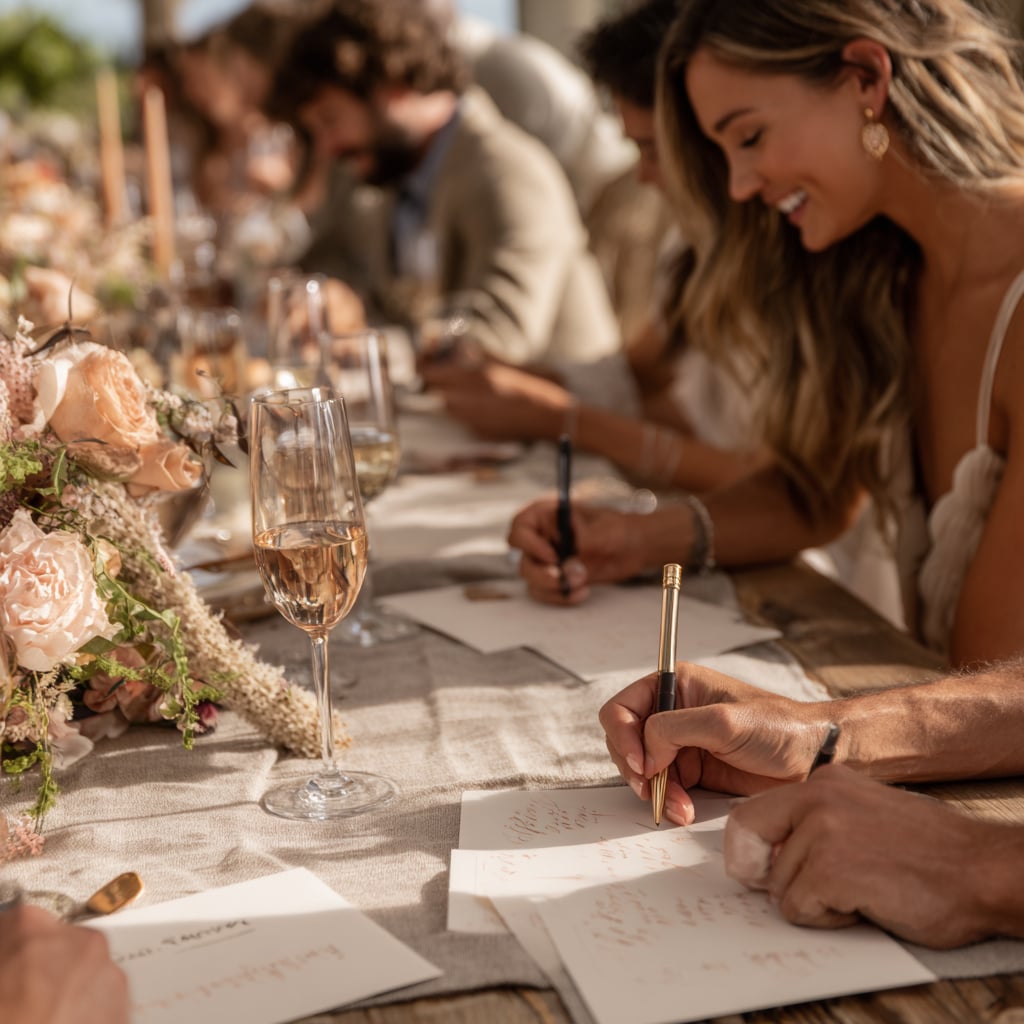
This game tests how well guests actually know the couple by asking 10 to 15 questions about their relationship, habits, and quirks. Create questions like “What was their first vacation together?” or “Who said ‘I love you’ first?” and have guests write answers on paper while the couple writes the correct answers separately. Works perfectly for groups of 8 to 40 people since everyone plays individually or in small teams. Read each question aloud, give guests 30 seconds to write their answer, then have the couple reveal the correct response before moving to the next one. The person or team with the most correct answers wins, and prizes like a nice bottle of wine or a local restaurant gift card work well since this game tends to attract the competitive crowd. Keep questions balanced between sweet and funny so it doesn’t feel like a pop quiz, and avoid anything too personal that might make the couple or their families uncomfortable. You’ll need printed question sheets, pens, and something to keep score, which makes this one of the easiest games to prep ahead of time.
He Said, She Said Matching Game
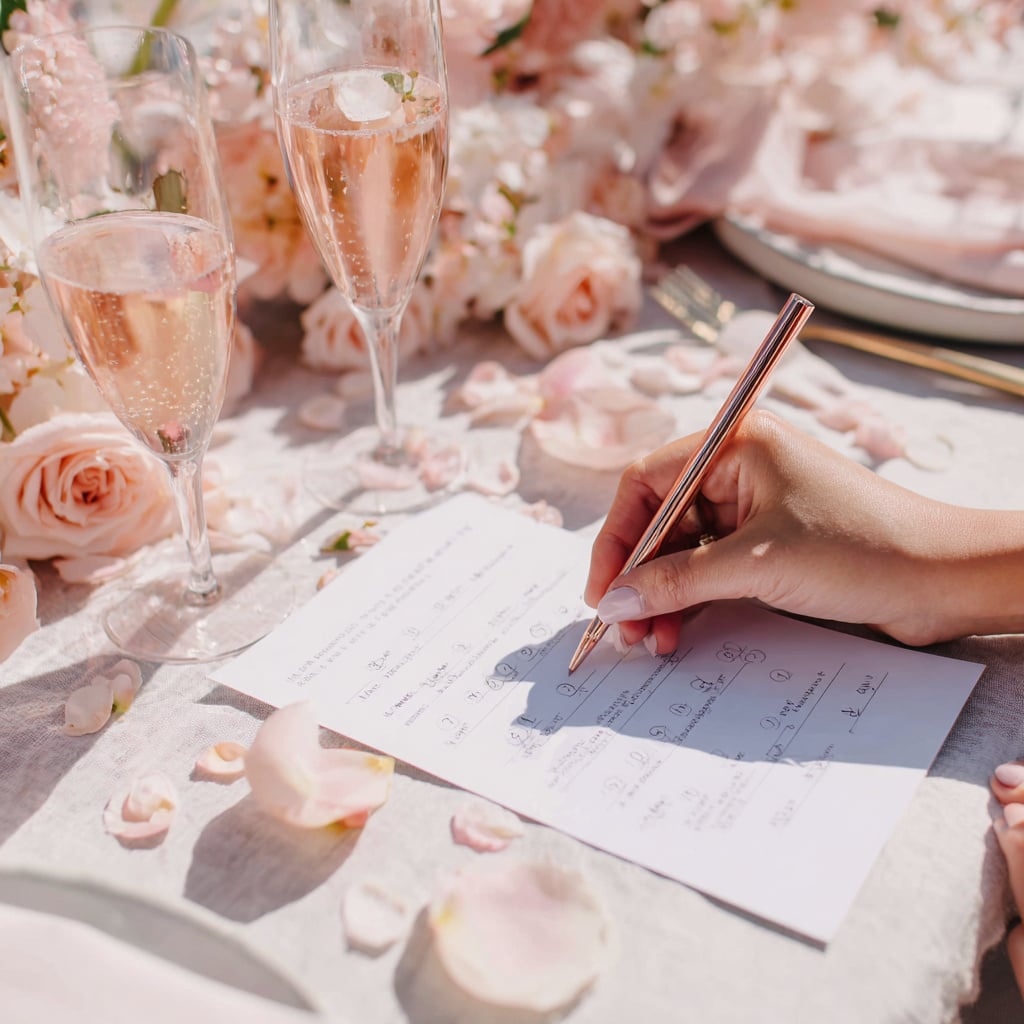
Print out 15 to 20 quotes that either the bride or groom has actually said, then have guests guess who said what. Interview the couple separately beforehand to collect real quotes about wedding planning, their relationship, pet peeves, or funny stories, then create a sheet with each quote numbered and two columns for “Bride” and “Groom.” This works for any size group from 10 to 50 people since it’s a quiet, individual game that doesn’t require a lot of space or movement. Hand out the sheets when guests arrive and let them fill it out during cocktail hour or whenever there’s natural downtime, then reveal the answers all at once near the middle of the party. The winner gets something fun like a scented candle set or a cookbook, nothing too elaborate since this is more about entertainment than competition. Make sure quotes are specific enough that guests have to actually think rather than just guess based on stereotypes, and include at least a few surprising answers where the groom said something sweet or the bride said something sarcastic. The best part is watching people’s faces when they realize they got most of them wrong because they assumed based on gender rather than personality.
Ring Collection Word Game
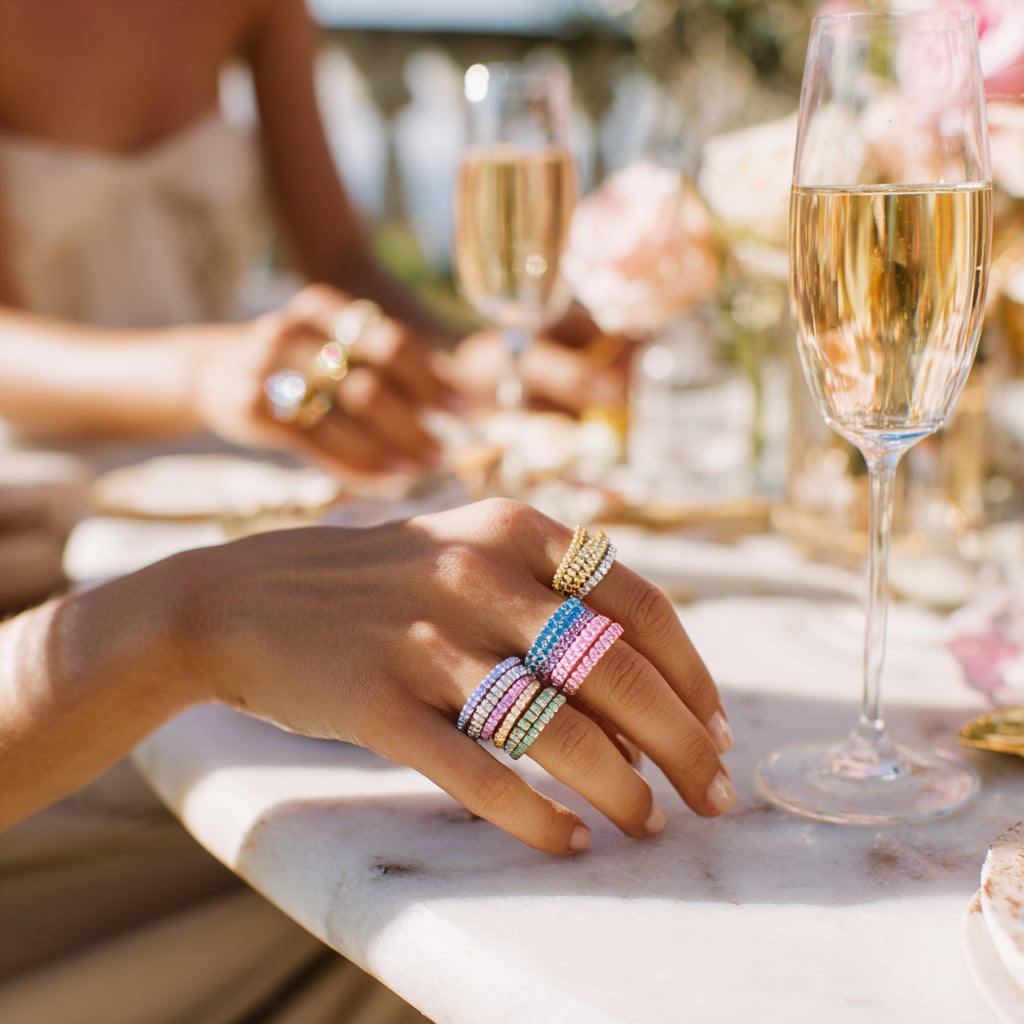
Give every guest a cheap plastic ring when they arrive and tell them they lose it if they say the word “wedding” (or “bride,” “groom,” or whatever forbidden word you choose). Anyone who catches someone saying the word gets to claim their ring, and whoever has the most rings at the end of the shower wins a prize. This works best for groups of 12 to 30 people where guests are mingling rather than sitting in assigned seats the whole time. The game runs continuously throughout the entire event, so there’s no formal start or stop, just remind people of the rules once at the beginning and let chaos unfold naturally. Prizes should match the silly tone, think a fun coffee table book, a bottle of champagne, or a gift card to somewhere actually useful. The forbidden word needs to be common enough that people will slip up but not so unavoidable that everyone loses their ring in the first five minutes, which is why “wedding” works better than “shower.” You can buy bulk plastic rings online for almost nothing, and they double as party favors if you pick ones that actually look decent. Watch out for that one competitive guest who stays completely silent the entire party just to keep their ring.
Pass the Bouquet Musical Elimination
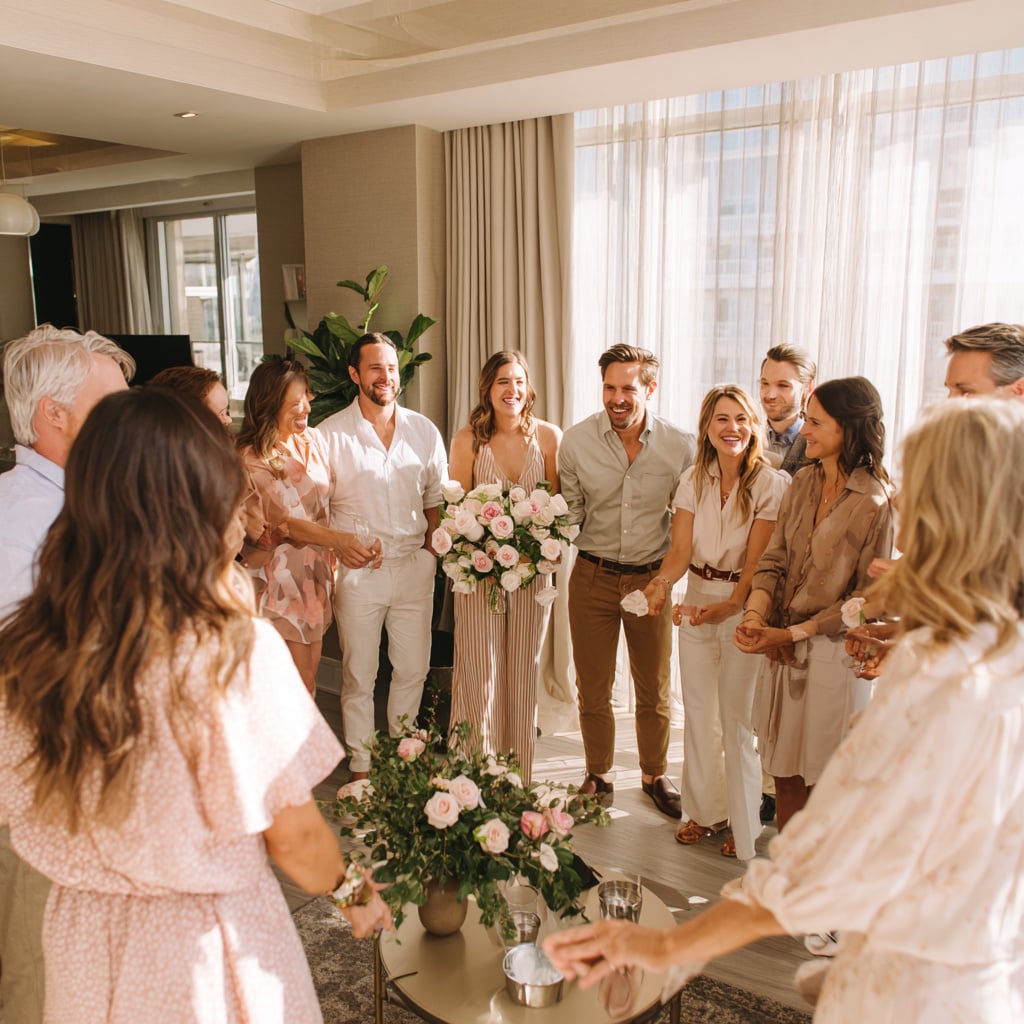
This is the bridal shower version of hot potato where guests pass a small bouquet around the circle while music plays, and whoever is holding it when the music stops gets eliminated. Keep going until only one person remains, and they win the actual bouquet plus a small prize. Works well for groups of 10 to 25 people who are willing to stand or sit in a circle, though it can feel a bit elementary school if your crowd skews older or more reserved. Someone needs to control the music and actually watch to see who’s holding the bouquet when it stops, so assign that job to someone detail-oriented who won’t get distracted. The prize can be the bouquet itself if it’s nice enough (real flowers arranged in a vase they can take home), or add a gift card to make it more worthwhile. Keep rounds moving quickly so eliminated guests don’t stand around awkwardly for too long, the whole game should take 5 to 7 minutes maximum. Use upbeat, recognizable music that fits the couple’s taste rather than generic wedding playlist stuff, and consider having eliminated guests sit down in place rather than leave the circle so it still feels communal. This game works better earlier in the party when people have energy and haven’t had too many drinks yet.
Jewelry Making Competition
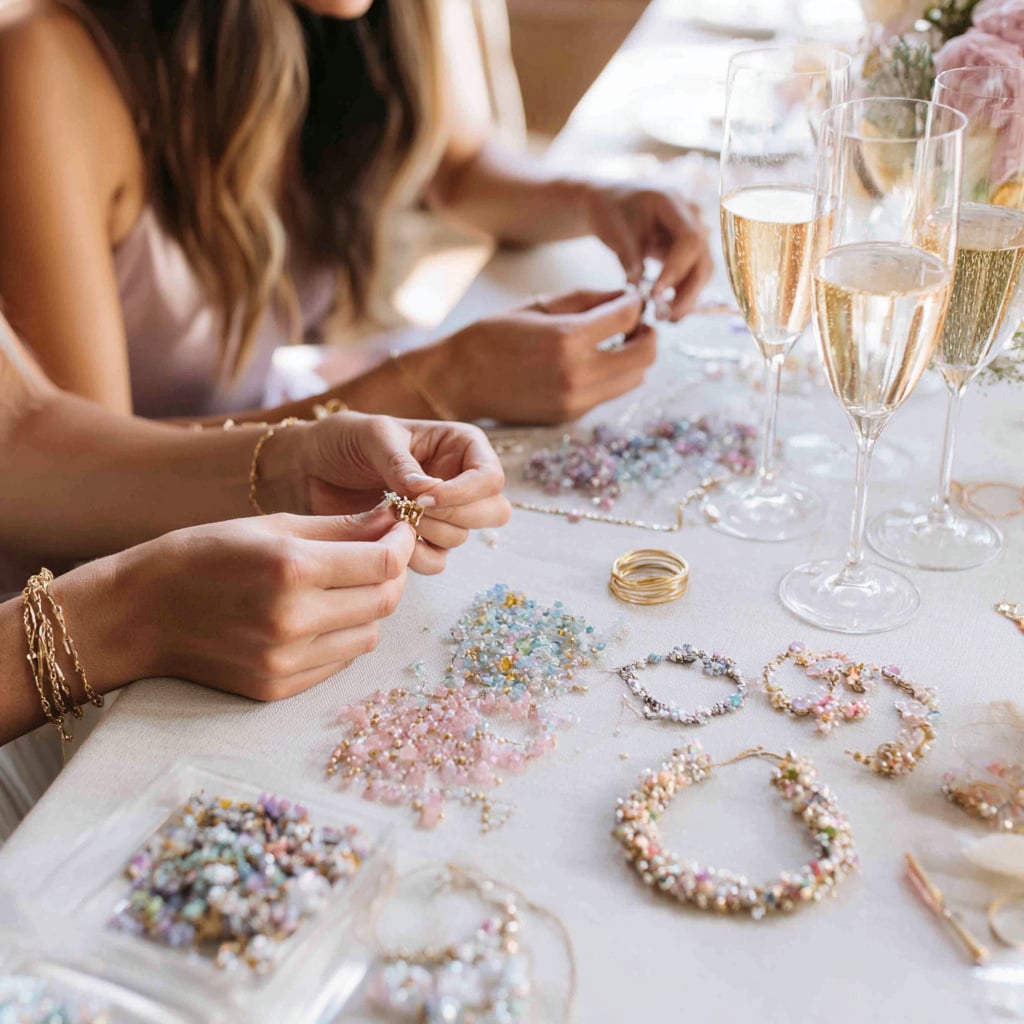
Set up a station with beads, string, and basic jewelry supplies, then give teams 10 minutes to create the best piece of jewelry for the bride or groom to wear. Divide guests into teams of 3 to 5 people, which means you need at least 12 people for this to feel competitive but can accommodate up to 30 if you have enough supplies. Provide enough variety in beads and materials that teams can make something actually nice rather than just a sad string of random beads, and include some “fancy” options like nicer wooden beads or small charms. The couple judges the finished pieces based on whatever criteria they want (most beautiful, most wearable, most creative, funniest), and the winning team splits a prize like a box of good chocolates or a shared gift card. This game works because it gives people something to do with their hands while chatting, and the 10-minute time limit keeps it from dragging into a full craft session. Set up the station near seating so teams can spread out comfortably, and have someone announce time warnings at 5 minutes and 1 minute remaining. The one risk is that some guests genuinely hate crafts, so don’t make participation mandatory or you’ll create resentment instead of fun.
How Many Kisses Guessing Game
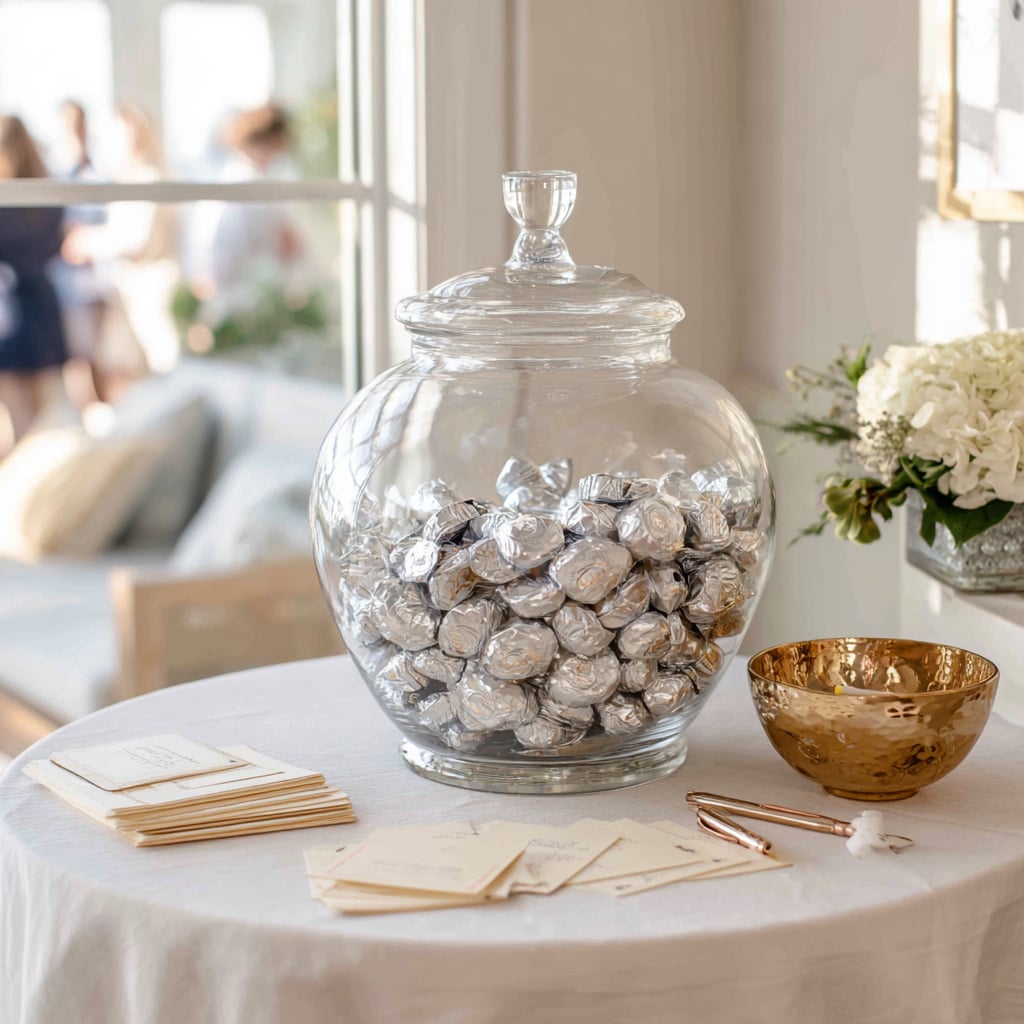
Fill a clear jar with Hershey’s Kisses and have guests write down their guess for how many are inside, with the closest guess winning the jar. This is about as low-effort as shower games get, which is exactly why it works for crowds of any size from 10 to 60 people who might not know each other well. Set the jar on a table near the entrance with a stack of small papers, pens, and a bowl for collecting guesses, then let people submit their guess whenever they want throughout the first hour. Count the kisses beforehand (obviously) and write the number down somewhere you won’t lose it, because there’s nothing worse than realizing you forgot the actual count when it’s time to announce the winner. Prizes can be simple since the winner already gets a jar of chocolate, maybe add a small candle or a cute mug to make it feel more substantial. The key is using a jar size that’s hard to estimate, too small and everyone will guess within the same range, too big and it becomes completely random. You can tie this to the couple by choosing their favorite candy instead of Kisses, or use something wedding-related like individually wrapped cookies with custom labels. This game requires zero explanation, zero participation pressure, and zero awkwardness, which makes it perfect for guests who’d rather observe than perform.
Bridal Shower Bingo Cards
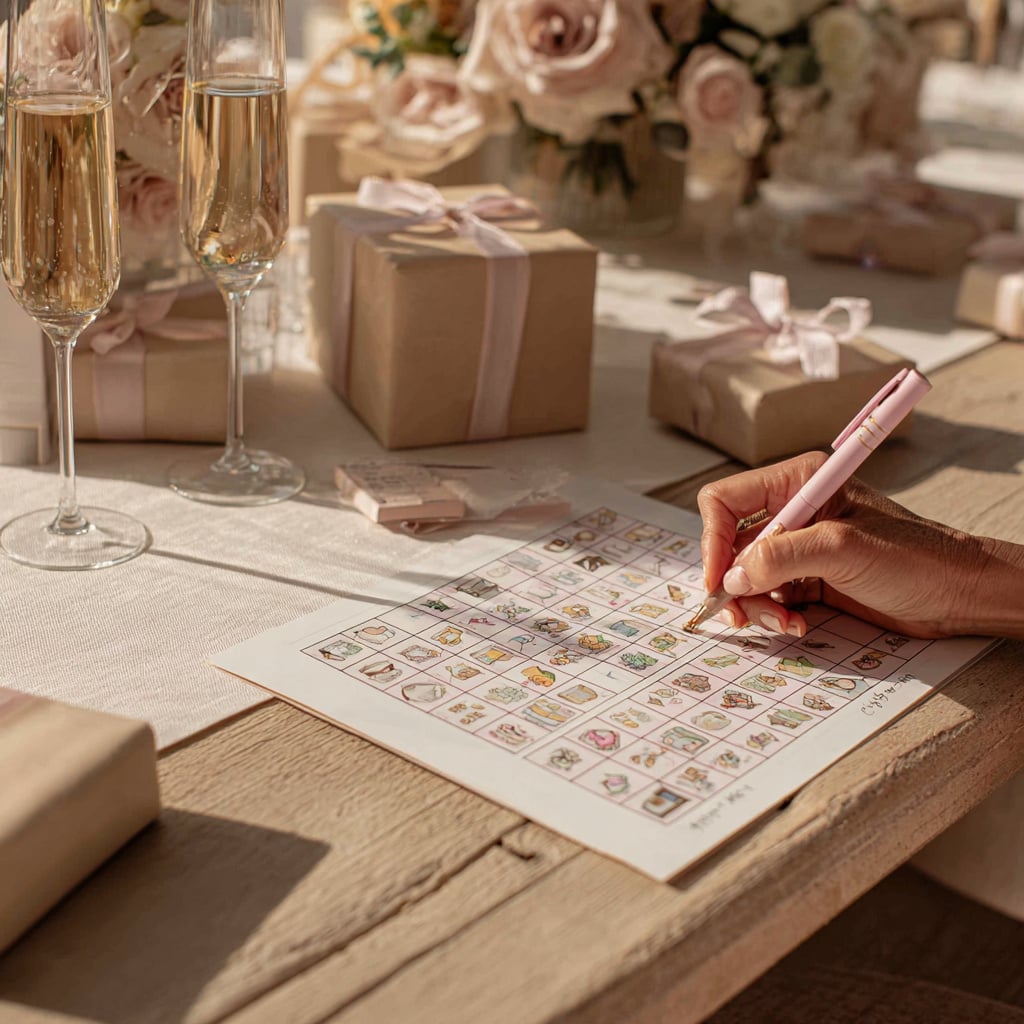
Create custom bingo cards filled with gifts you expect the couple to receive, then have guests mark off squares as presents are opened. This works for traditional showers where gift-opening is part of the event and you have 15 to 40 guests who need something to do besides watch someone untie ribbons for an hour. Make cards with 24 different gift items (free space in the middle) like “kitchen towels,” “picture frame,” “candles,” “gift card,” and anything else on the registry, then print enough so each guest gets a different randomized card. The first person to get five in a row calls out “bingo” and wins a prize, then you can keep playing for the next bingo or call it after one winner so the game doesn’t overtake the whole gift-opening portion. Prizes should be easy to distribute quickly, like a nice hand soap set, a small plant, or lottery tickets. This game only works if you actually open gifts at the shower, which is becoming less common at co-ed events, so save it for traditional formats. The smart move is listing items broad enough that you’ll definitely see them (every couple gets candles) but specific enough that cards fill up at different rates. You can find free bingo card generators online that randomize squares automatically, which saves you from manually creating 30 different cards.
Love Fortune Shaker Activity
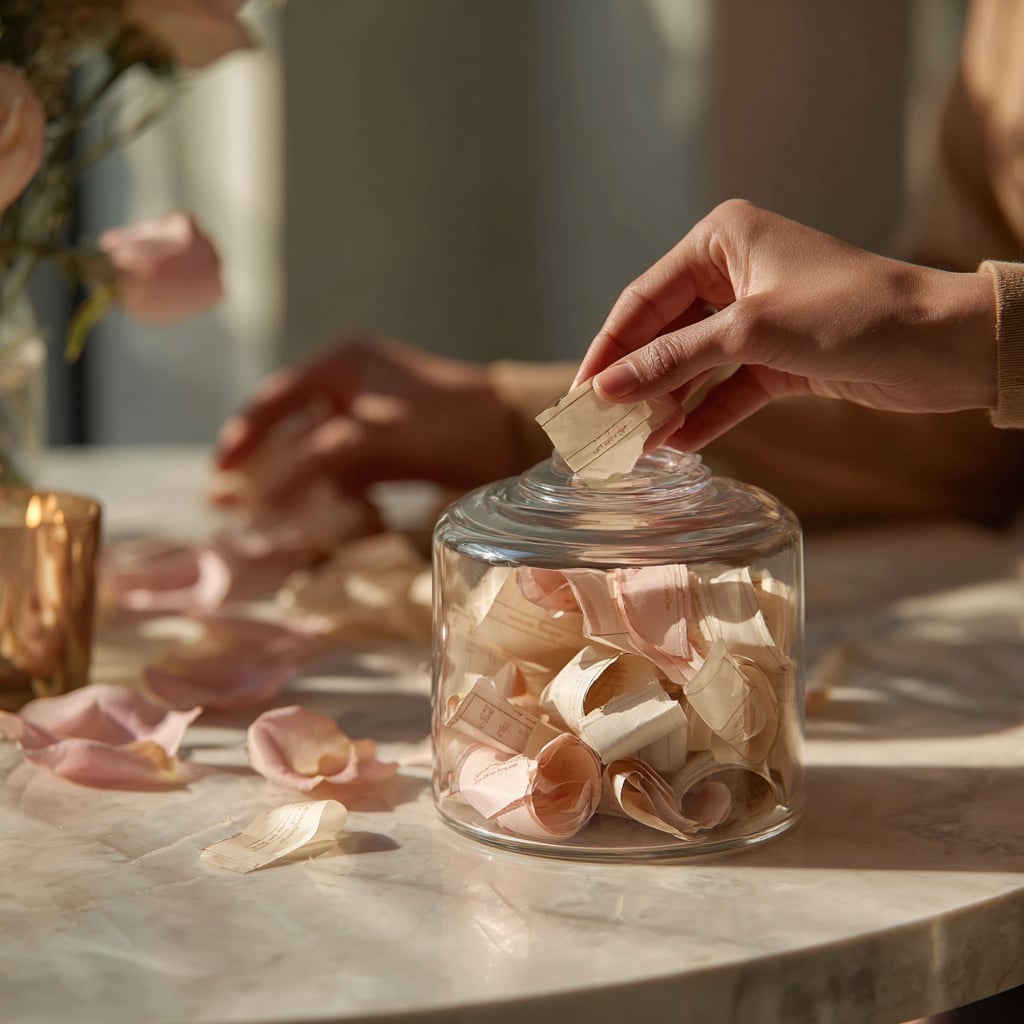
Set out a jar of fortune cookie-style slips with relationship advice, predictions, or funny “fortunes” about marriage, and have guests draw one to read aloud. This works as an arrival activity or a structured moment during the party for groups of 10 to 30 people, depending on how much time you want to dedicate to it. Write 30 to 40 different fortunes that range from sincere advice (“Always go to bed at the same time”) to funny observations (“You will learn that ‘nothing’s wrong’ means everything’s wrong”) so the tone stays light but meaningful. Guests draw randomly and can choose to read theirs aloud or pass, which keeps participation optional for people who hate being put on the spot. There’s no winner for this one, it’s purely about sparking conversation and getting people to share their own relationship stories or advice. The fortunes should reflect the couple’s personality rather than generic wedding platitudes, so if they’re sarcastic, lean into funny fortunes, and if they’re sentimental, go heavier on the sweet advice. You can tie a small favor to this by letting guests keep their fortune in a nice envelope or small frame they can take home. Print fortunes on decent cardstock and cut them into uniform strips so it feels intentional rather than like something you threw together the night before.
Party Table Topics Conversation Game
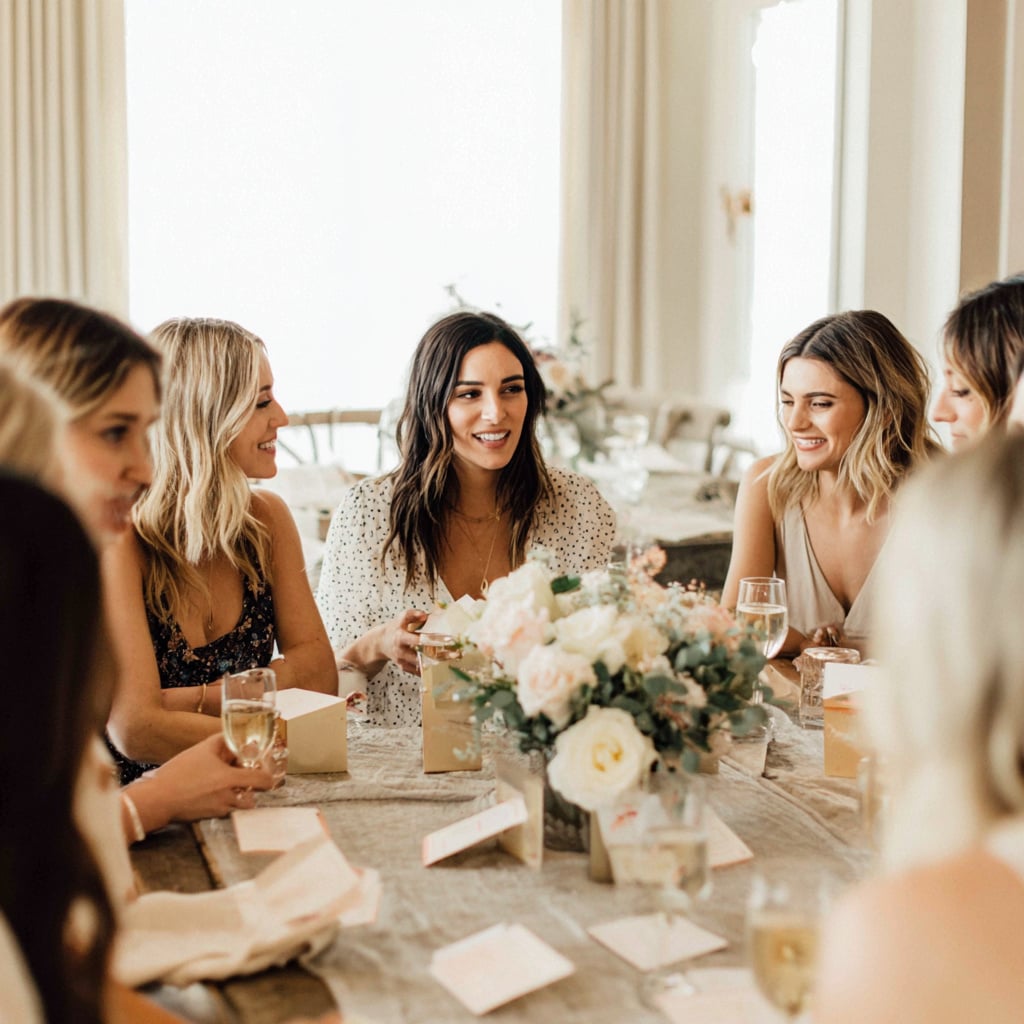
Place conversation starter cards on each table that prompt guests to discuss specific topics related to relationships, marriage, or the couple. This works best for seated events with 20 to 60 guests at multiple tables, where you need something to break the ice during dinner or cocktail hour. Create 5 to 7 questions per table like “What’s the best relationship advice you’ve ever received?” or “What song reminds you of the couple?” and print them on small cards that can sit in the middle of each table. There’s no formal winner or prize since this is about facilitating conversation rather than competition, but you can have tables share their favorite answer with the whole room if you want to bring everyone together. The questions need to be open-ended enough for interesting answers but not so personal that people feel uncomfortable sharing with strangers. This game saves you from that painful small talk phase where tablemates awkwardly discuss traffic and weather because they can’t think of anything else. Skip questions that require long backstories or that might make single guests feel weird, and avoid anything that assumes everyone at the table knows the couple equally well. The best version of this includes one or two funny questions mixed with thoughtful ones so the conversation has natural variety and doesn’t feel like a therapy session.
Couples Jeopardy Question Challenge

Set up a Jeopardy-style game board with categories related to the couple, relationships, and wedding traditions, then have teams compete to answer questions. Divide guests into 3 to 5 teams of 4 to 6 people each, which means you need at least 12 people but can accommodate up to 30 comfortably. Create a board with 5 categories and 5 questions each, ranging from 100 to 500 points based on difficulty, using categories like “How They Met,” “Wedding Traditions,” “Love Songs,” “Famous Couples,” and something specific to the couple’s interests. Teams take turns choosing a category and point value, you read the question, and the first team to buzz in (or raise their hand, or ring a bell) gets to answer and earn those points if they’re correct. The winning team splits a group prize like a set of movie tickets, a sharable gift card, or individual bottles of wine. You’ll need to create the visual board (poster board works, or a projected slide deck if you’re fancy), write all the questions and answers, and establish a clear buzzing-in system so there’s no arguing about who answered first. This game takes real prep time but pays off with high energy and engagement, especially if your crowd includes competitive people who love trivia. Keep questions balanced so both people who know the couple well and people who just know general wedding facts can contribute to their team.
Two Truths and a Lie About the Couple
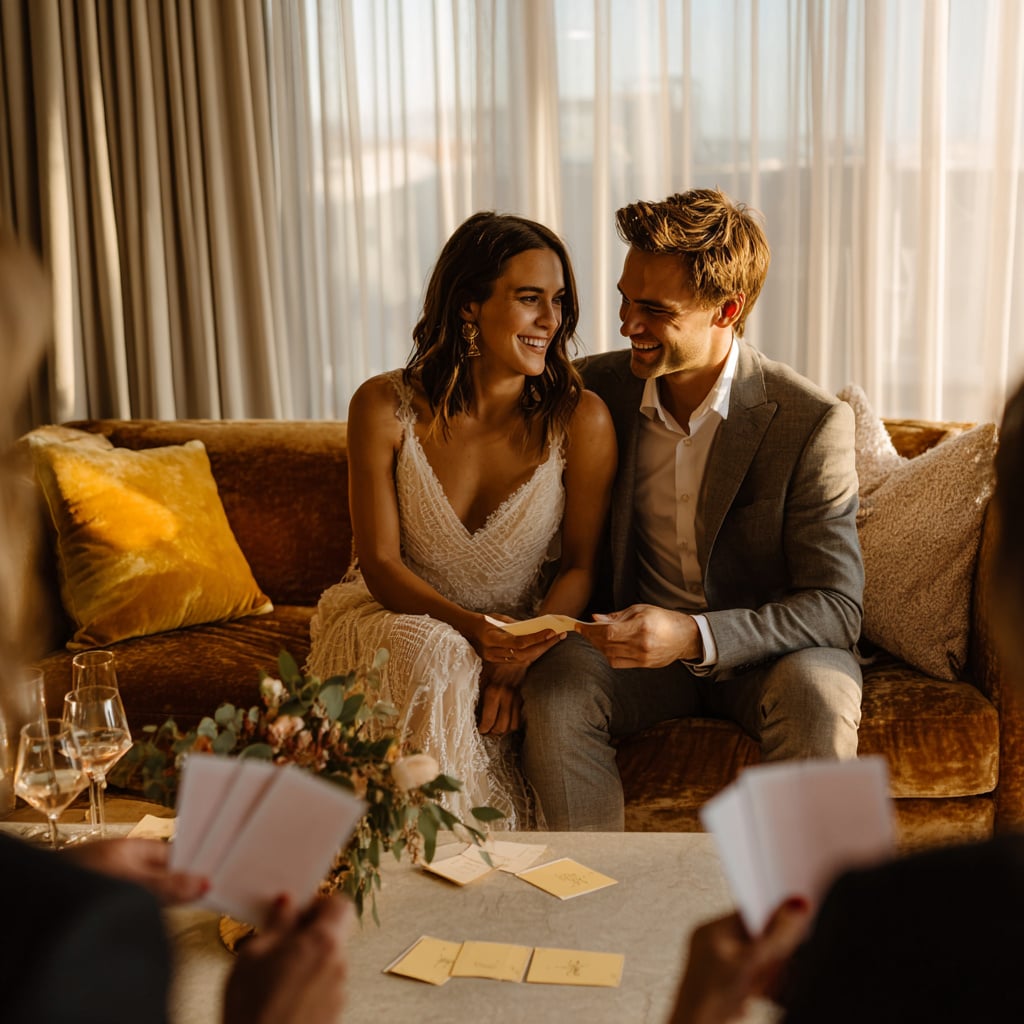
The couple provides three statements about their relationship, two true and one false, and guests vote on which one they think is the lie. This works for any group size from 8 to 50 people since it’s a simple voting game that requires no materials except maybe paper for guests to write their guesses. Prepare 8 to 10 rounds of “two truths and a lie” ahead of time by interviewing the couple about funny stories, relationship milestones, quirks, and surprising facts, then craft each set so the lie is believable and the truths include at least one unexpected detail. Read all three statements aloud, give guests 30 seconds to decide which is the lie, then have them vote by raising hands or holding up A/B/C cards. The person who gets the most rounds correct wins a prize like a nice bottle of wine or a coffee table book, though you can skip the competitive element entirely and just play for fun. The game works because it’s low-pressure, naturally entertaining, and teaches guests things about the couple they probably didn’t know. Make sure at least some statements are truly surprising, nobody cares that the couple likes Italian food, but they will care that one of them accidentally locked the other on a hotel balcony in their underwear. Keep the energy up by revealing the answer immediately after voting rather than saving all reveals for the end.
Newlywed Game Question Rounds

The classic Newlywed Game has the couple answer questions about each other separately, then reveal whether their answers match. Ask the couple 10 to 12 questions like “Who’s the better cook?” or “Where was your first kiss?” after separating them so they can’t hear each other’s answers, then bring them back together to reveal and compare. This works for any size crowd from 10 to 60 people since everyone is just watching and reacting, though smaller groups create a more intimate feel. You’ll need someone to act as host (not the couple), two chairs for the couple to sit in, and either whiteboards or large paper and markers for them to write answers. There’s no winner among guests for this version, though you can have people bet on how many answers will match and give a prize to whoever guesses closest. The questions should lean toward funny rather than mushy, and include a mix of easy ones they’ll definitely match on and harder ones where they might disagree. Avoid questions that could actually cause conflict or reveal something embarrassing that one partner didn’t want shared publicly, this is supposed to be entertaining, not a relationship stress test. The best questions show personality and get laughs without making anyone uncomfortable, like “Who takes longer to get ready?” or “What’s your partner’s most annoying habit?”
Wedding Word Scavenger Hunt
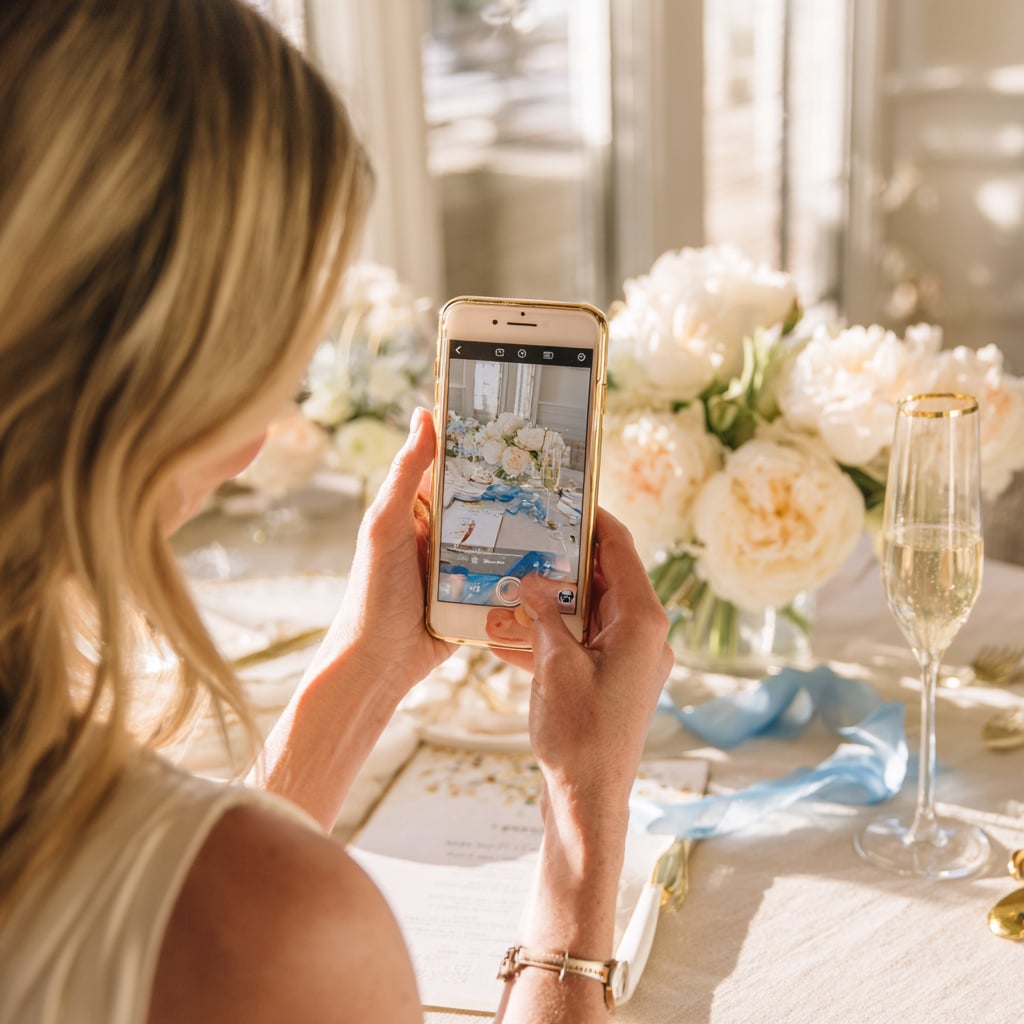
Create a list of wedding-related words or items that guests need to find or photograph during the shower. This works for groups of 12 to 30 people and can run throughout the entire event as a background game, with guests submitting their completed lists near the end. Make a list of 15 to 20 items that might include physical objects (“find something blue,” “a wedding ring”), actions (“take a photo with the couple,” “get someone to share their best marriage advice”), or wedding words hidden around the venue (“find the word ‘love’ on a decoration”). Guests can work individually or in pairs, and you can make it competitive (first to finish wins) or inclusive (everyone who completes it gets entered into a raffle). Prizes should match the effort required, if it’s a simple 10-minute hunt, a small prize works fine, but if you’re asking people to really search and photograph things, make it worth their time with something like a nice gift basket or substantial gift card. The key is making items findable but not obvious, you want people moving around and interacting but not tearing apart the venue or pestering other guests. This game adds movement and activity to showers that might otherwise involve too much sitting, but it can flop if the venue is too small or if guests just aren’t into it. Include at least a few easy items so people don’t give up immediately, and make sure anything you’ve hidden is actually somewhere they can access.
Relationship Timeline Matching Pairs
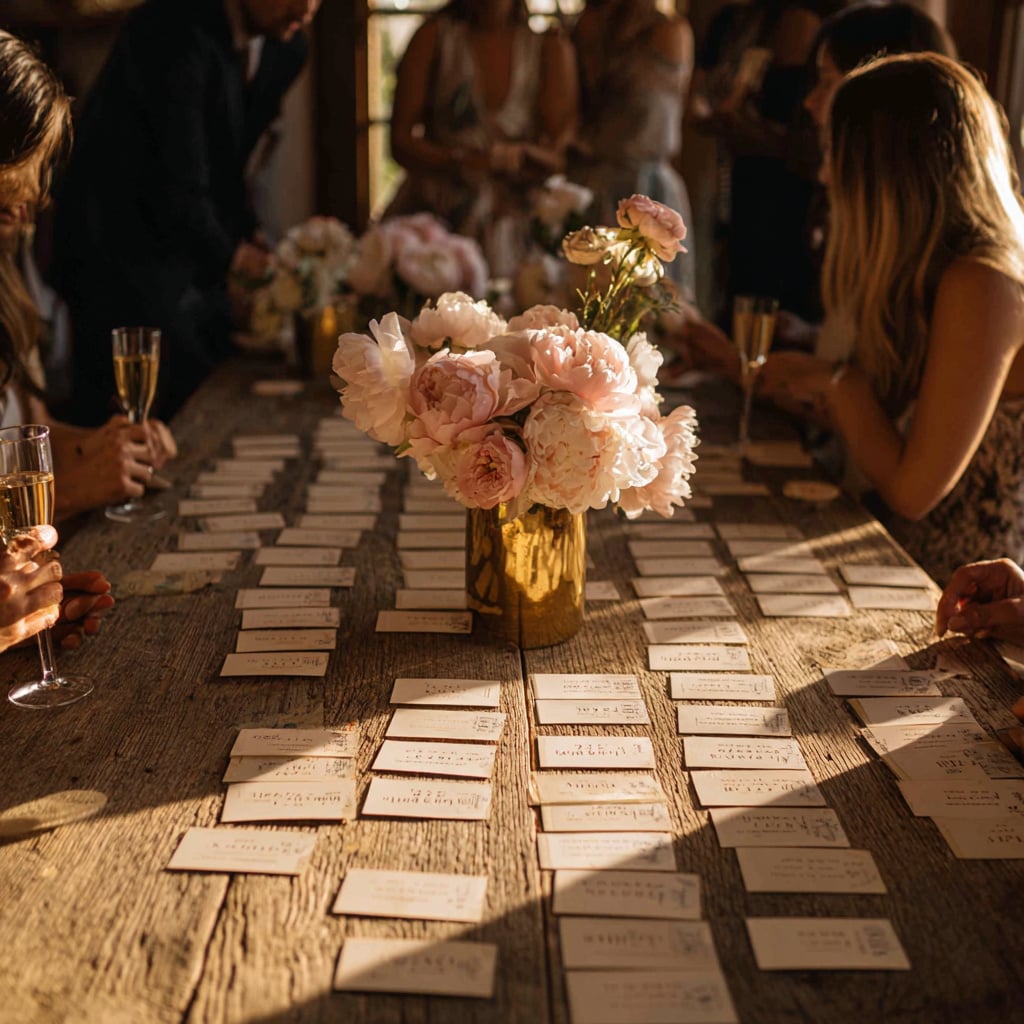
Create cards with important dates and events from the couple’s relationship, then have guests or teams race to match them correctly. Make 10 to 15 pairs of cards, with one card showing a date (“March 2019”) and its match showing what happened (“First Date”), then shuffle them facedown on a table. This works best for smaller groups of 8 to 20 people split into 2 or 3 teams, with each team taking turns flipping two cards to find matches. Teams that successfully match a pair get to keep those cards and go again, and the team with the most pairs when all cards are matched wins a shared prize like a box of champagne or a cheese board. You need to know actual dates and details from the couple’s history, so interview them ahead of time and include a mix of obvious milestones (engagement, moving in together) and lesser-known moments (first vacation, adopted their dog). This game works because it’s familiar to anyone who’s played Memory as a kid but feels personal and specific to the couple being celebrated. Make cards large enough to read from a short distance and use nice cardstock so they don’t feel cheap or flimsy. The challenge is balancing difficulty so guests who know the couple well have an advantage but those who don’t aren’t completely lost, which means including some context clues on the event cards beyond just the milestone name.
Groom Knows Bride Best Quiz
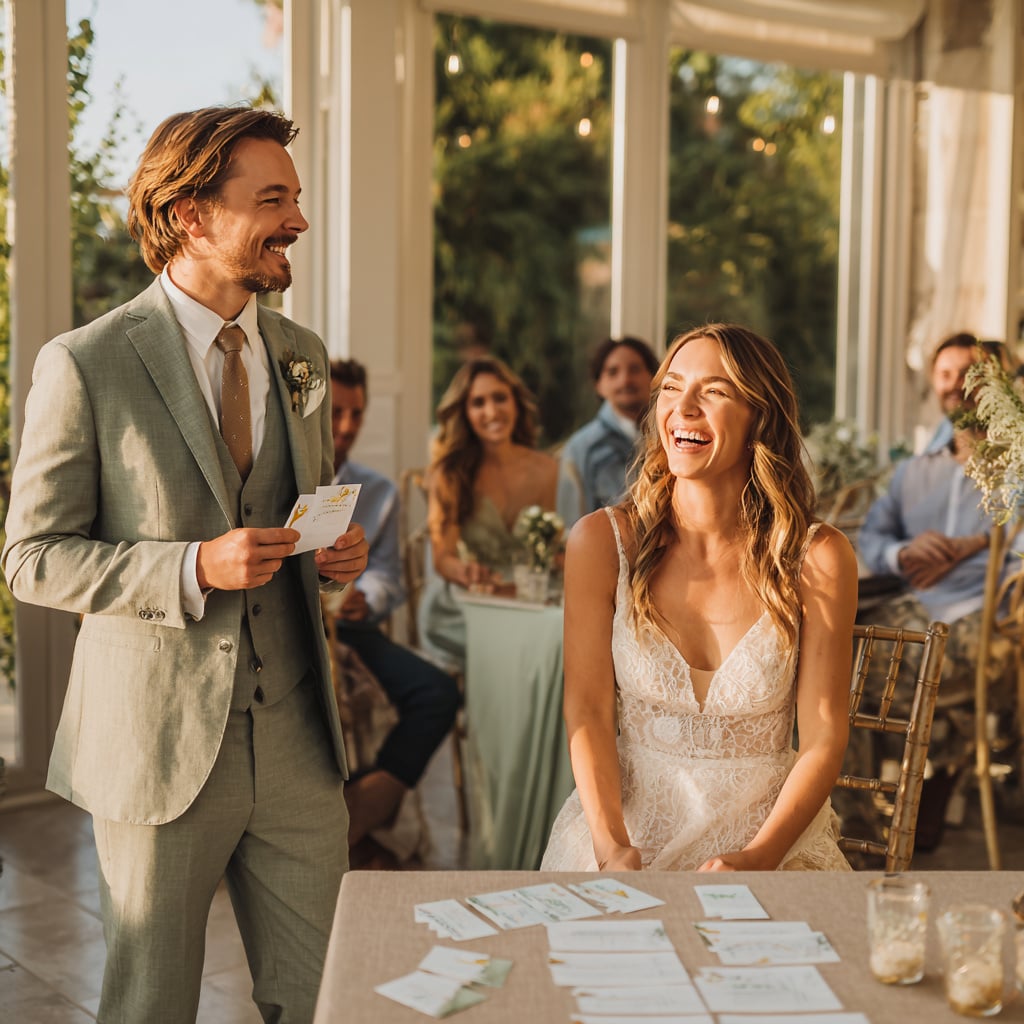
Ask the groom a series of questions about the bride’s preferences, habits, and history, then see how many he gets right while she confirms or corrects each answer. This can flip to test how well the bride knows the groom, or you can do both and compare scores. Prepare 12 to 15 questions ranging from easy (“What’s her favorite color?”) to challenging (“What size shoe does she wear?” or “What was the name of her first pet?”), and have the bride write her answers down privately before the groom responds to each question aloud. This works for groups of 10 to 40 people who enjoy watching the couple interact, and the entertainment value comes from the groom’s reactions when he realizes he doesn’t know something he probably should. There’s no prize for guests since this is couple-focused, but you can let the groom “win” something if he hits a certain score, like getting out of a household chore or choosing the honeymoon restaurant. Questions should test actual knowledge rather than impossible trivia, you want to see if he pays attention to her preferences, not whether he’s memorized random facts. Keep the tone playful and avoid questions where a wrong answer makes him look bad or makes her feel like he doesn’t care, this should be funny and sweet, not a setup for failure. The bride’s reactions when confirming or correcting answers are half the entertainment, so give her space to add commentary or tell the story behind certain answers.
Some links in this post may be affiliate links, which means we may earn a small commission if you make a purchase through them. Thank you for your support!