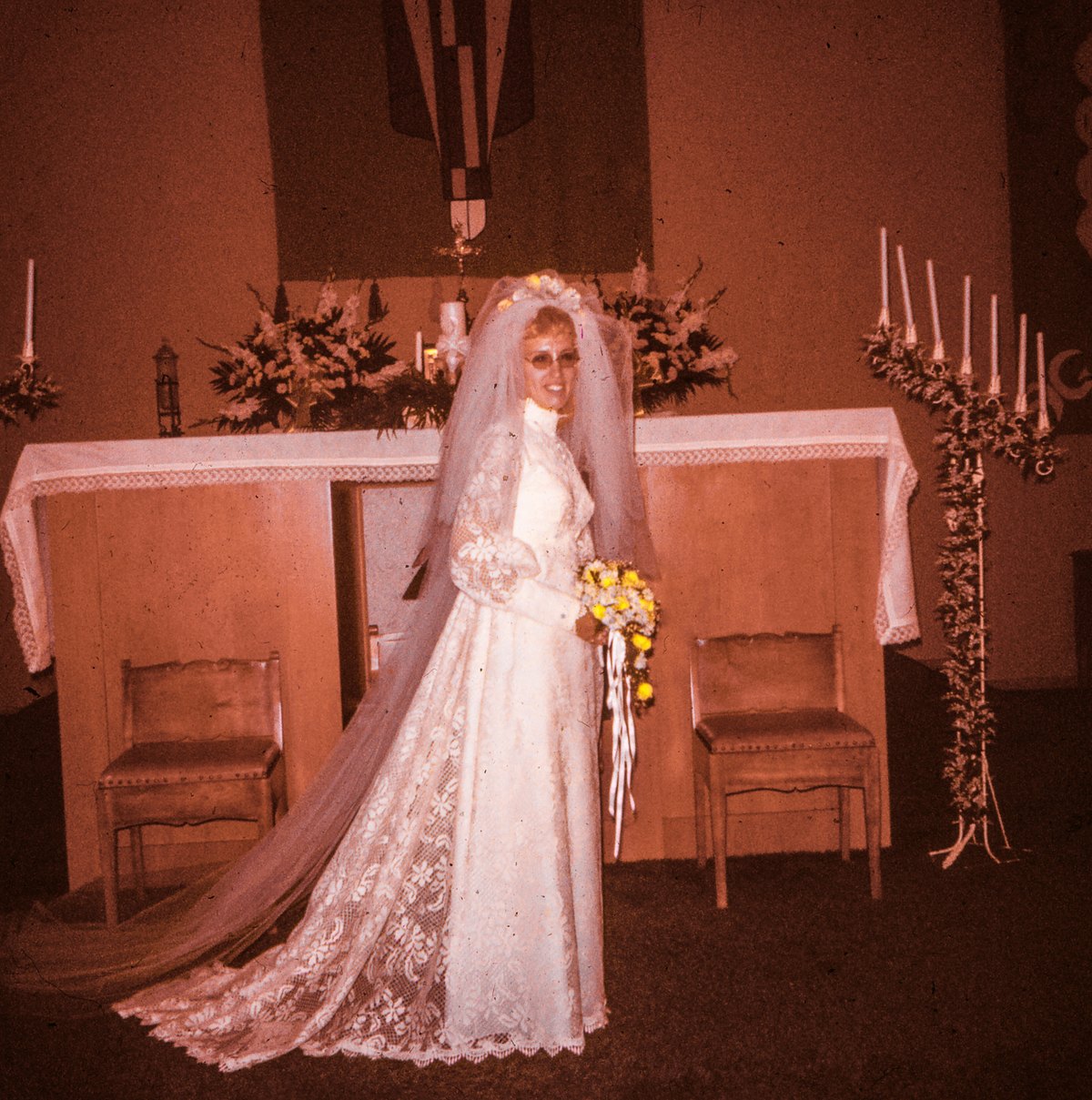
There are certainly some things you recognize first when looking through an old wedding album. The hair, dress, veil, and maybe even the bridesmaids give away the details of the decade. Sometimes, the bouquet is one of those details worth looking at a little more closely.
In the 1970s, some arrangements held onto that traditional rounded shape, while others extended well beyond the bride’s hands. Bouquet styles were just as varied as popular fashion, and brides certainly didn’t all walk down the aisle carrying the same thing.
Brides had to handle a lot of variables when it came to designing the perfect bouquet. From what was in season and affordable to where they lived and what they actually liked, a lot went into each decision.
So, the next time you’re flipping through old photo albums, don’t stop at the dress. Take a closer look at what’s in the bride’s hands.
1. Cascading Bouquets
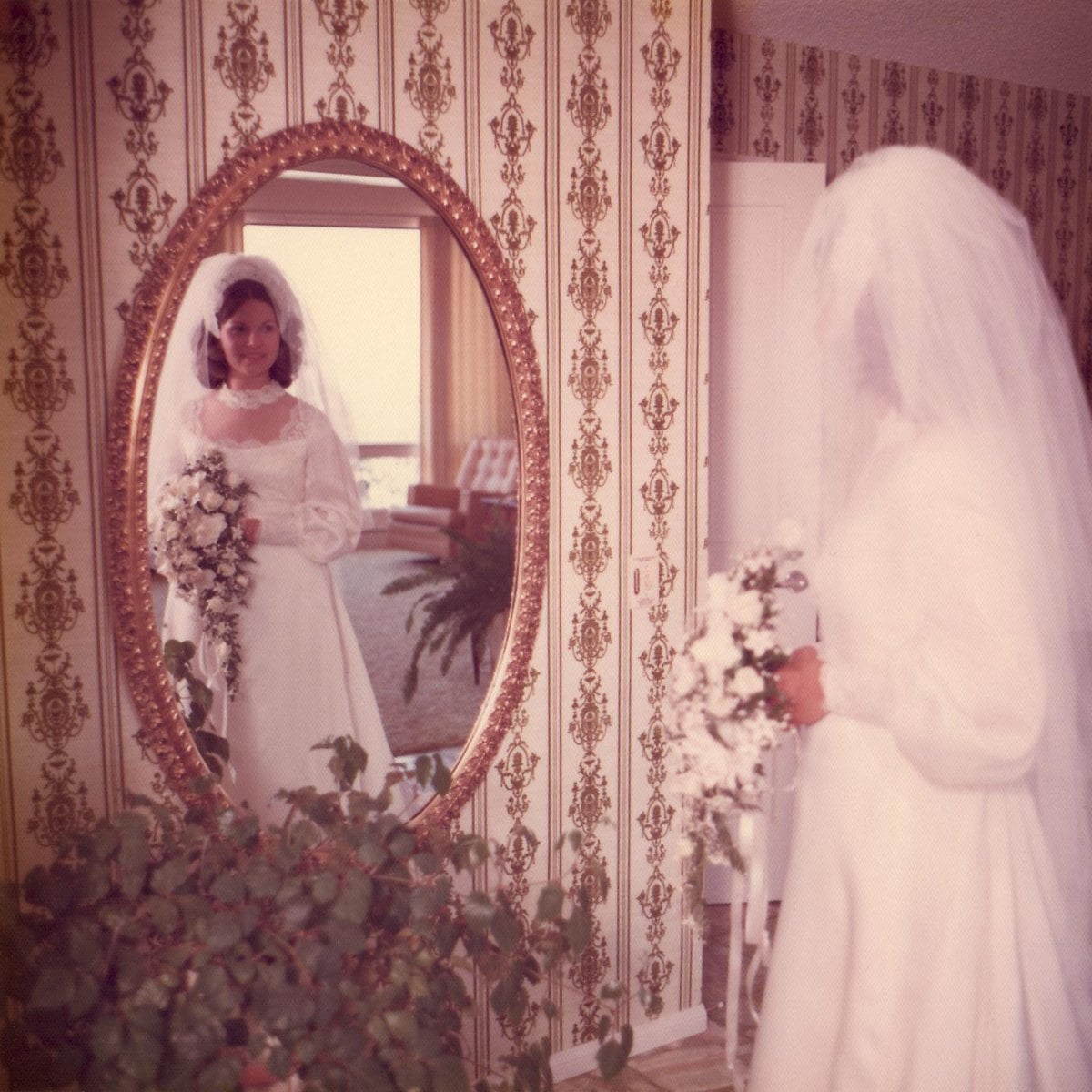
The veil and train weren’t the only things that could trail the bride on her special day. Cascading bouquets were designed with that aesthetic in mind. Unlike traditional rounded arrangements, these bouquets let flowers and greenery trail downward.
Flowers clustered around the top of the arrangement before the trailing elements began. The overall shape often resembled an upside-down teardrop, with some arrangements tapering to a point or trailing more loosely. Some arrangements were enormous; others were much more delicate.
One Texas wedding announcement from 1975 not only showed the cascading style but also demonstrated how some bridal parties carried variations of the same bouquet. The bride’s arrangement featured white miniature carnations, baby’s breath, English ivy, and a pink Cattleya orchid centered in the bouquet. The bridesmaids’ bouquets were similarly cascading but included variegated pink miniature carnations, baby’s breath, and English ivy.
Basically, cascading told you what your bouquet did, not what had to be in it. There wasn’t some special 1970s recipe that told a bride exactly how much English ivy and ribbons should trail her down the aisle.
2. Rounded Colonial Bouquets
Not every bouquet needed to make a grand entrance. That’s where rounded colonial bouquets took center stage. These arrangements were generally shaped into a round form that stayed centered in the hands. They weren’t necessarily tightly packed either. The deciding feature of a rounded colonial bouquet was its shape.
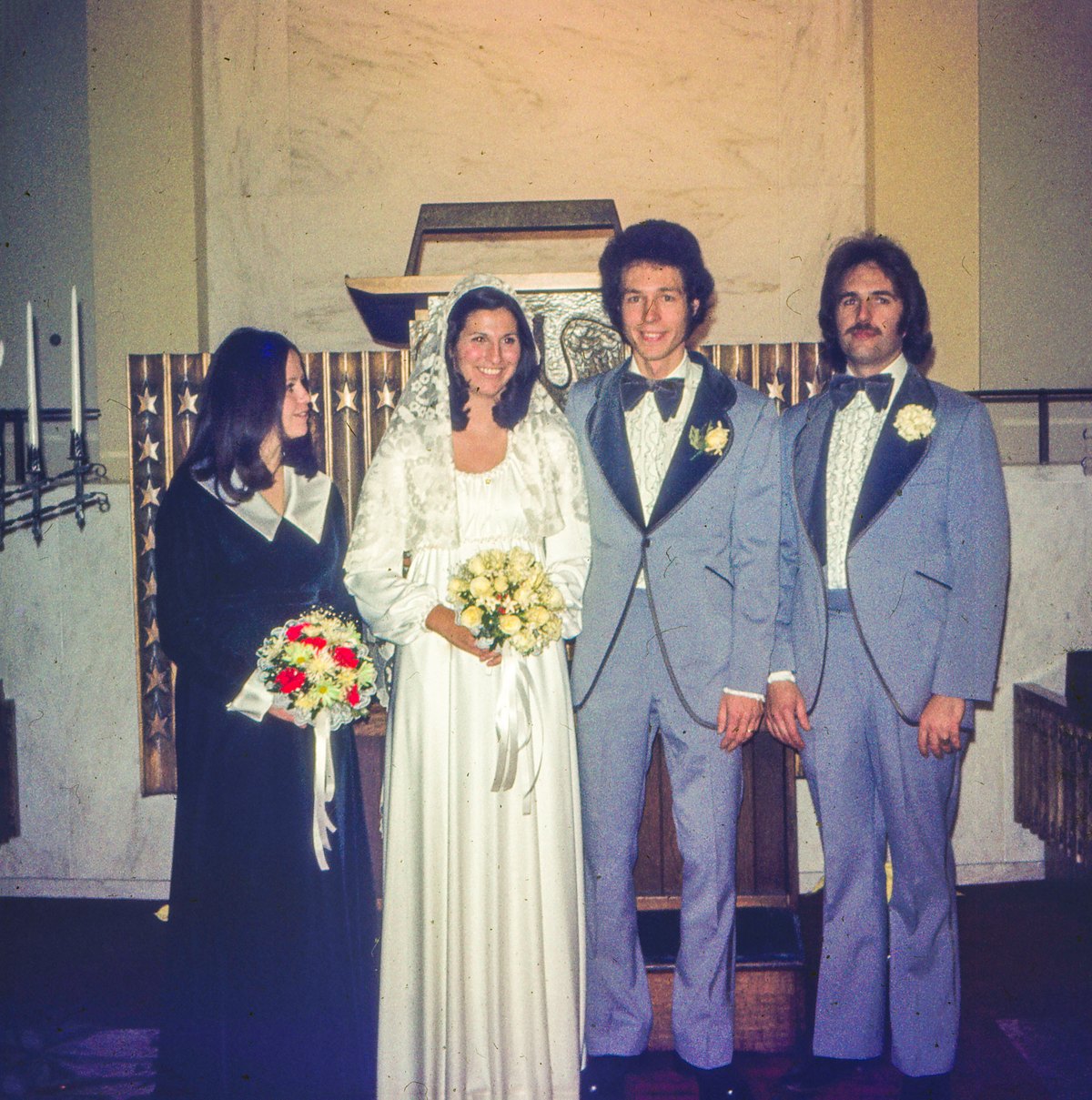
One 1975 wedding announcement described a colonial bouquet containing pink sweetheart roses, white miniature carnations, stephanotis, and English ivy. These arrangements could bring together a variety of flowers to create the perfect look.
While rounded colonial bouquets often shared similar shapes, they weren’t guaranteed to have the same personality, even within the same wedding party. The bride’s bouquet didn’t have to match her attendants’ arrangements. At one 1975 wedding, the bridal party carried colonial bouquets, but the bride’s flowers were different from her attendants’. She carried roses, star flowers, and ivory lace, while the attendants had daisies, carnations, and pink streamers. Baby’s breath tied all the bouquets together. The effect was subtle but there: they matched without actually matching.
3. Daisies and Daisy-Like Mums
Daisies have long been tied to romance, as children pluck the petals one at a time to learn whether their crush loves them in return. In the 1970s, they also found their way into bridal bouquets.
These small flowers brought a different look to arrangements than orchids or roses. As an alternative, daisy-shaped chrysanthemums or daisy mums provided a similar appearance. They allowed brides to choose from a variety of colors instead of just white daisies.
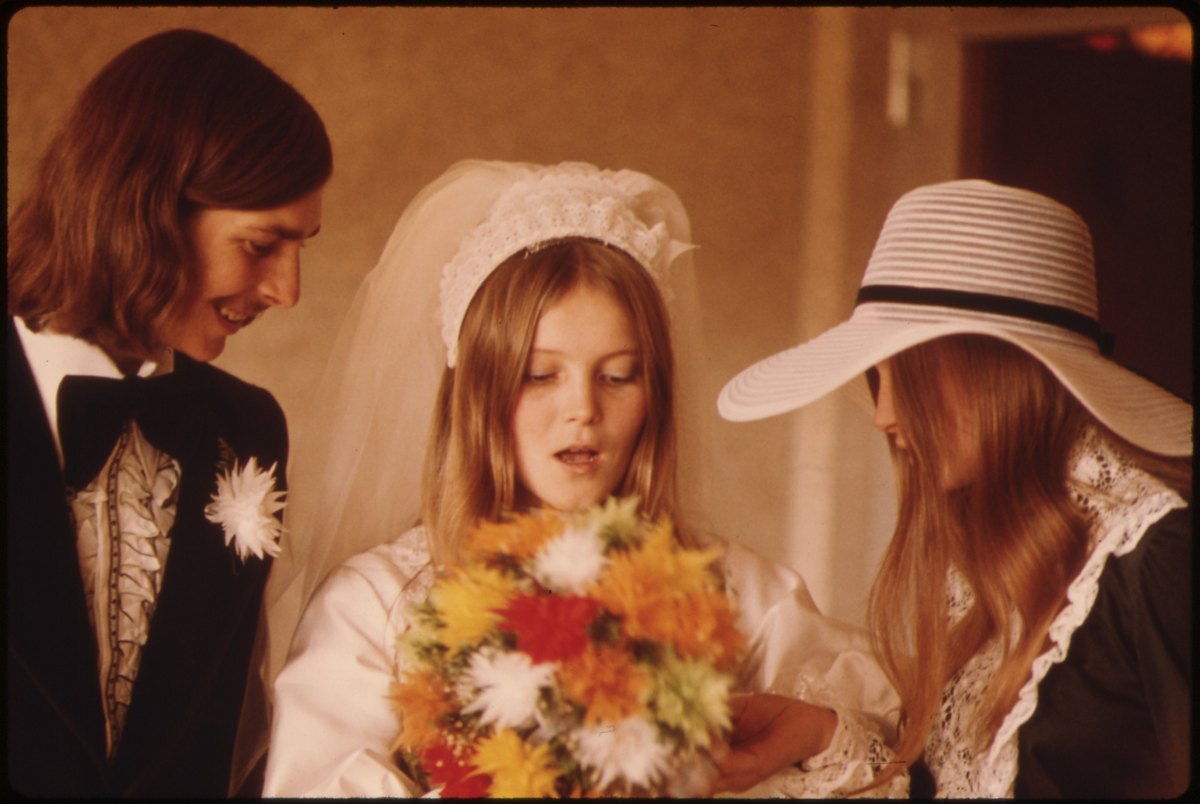
Daisies could appear throughout the entire bridal party, but the arrangements could be strikingly different. In 1974, the bride carried a bouquet of yellow sweetheart roses, daisies, and baby’s breath. Her attendants carried daisies and yellow chrysanthemums, while the flower girl carried a basket of daisies and yellow mums and wore a daisy crown.
Sometimes simplicity was enough. They weren’t elaborate, and frankly, they didn’t need to be.
4. Carnations in Bridal Bouquets
Carnations might seem like the underdog in bridal bouquet design, but they had a definite place at 1970s weddings. Their petals created a frilly, almost lace-like texture that added fullness to arrangements. Florists could group carnations together or pair them with contrasting flowers. Carnations could be the central focus of a bridal floral arrangement.
These flowers came in smaller and larger varieties. Standard carnations generally produce one large flower on each stem. They could be grouped together in a bouquet to create a mass of ruffled blooms. Miniature carnations produce multiple smaller flowers on branching stems. Because several blooms appear on one stem, they create a different visual effect and can contribute smaller floral details within the bouquet.
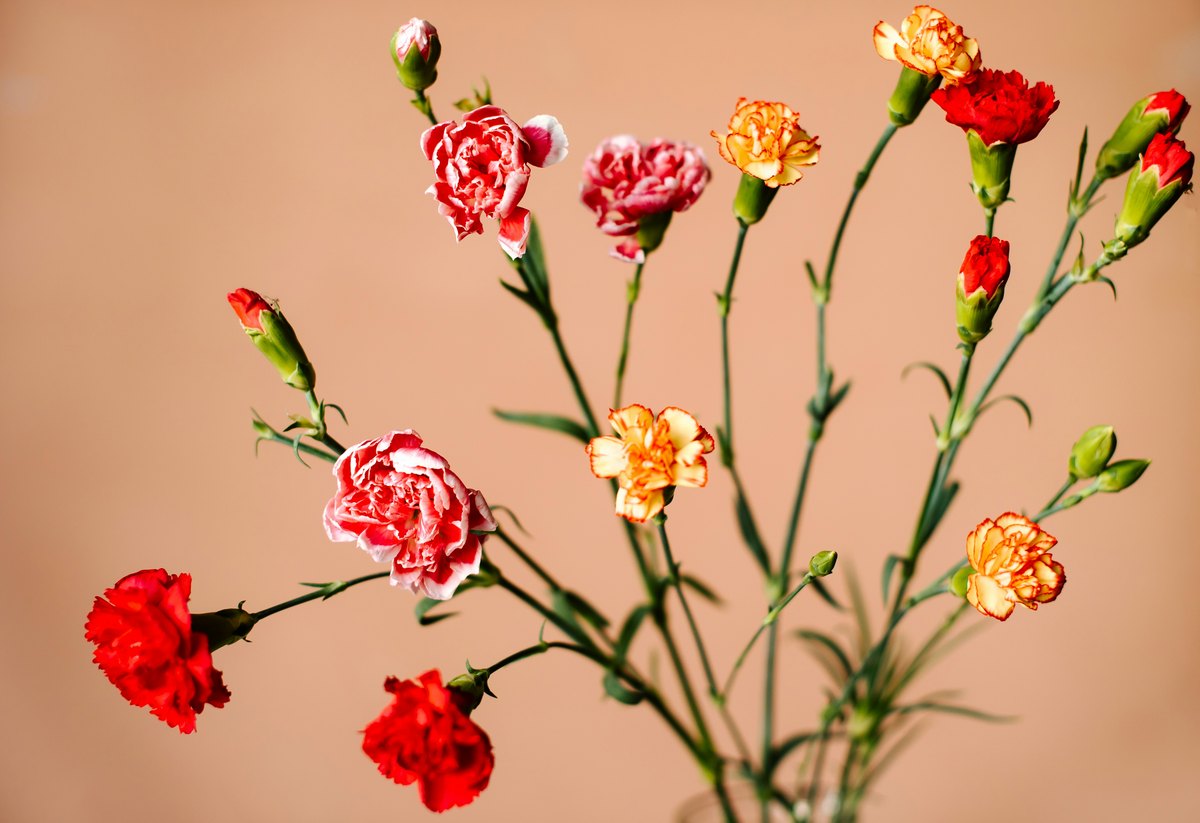
Bouquets with carnations also had longevity on their side. Compared to other flowers, carnations can be stored and transported for relatively long periods under the right conditions. Maybe the underdog deserved a little more credit after all.
5. Roses Mixed With Other Flowers
Brides could combine roses with flowers, greenery, and ribbons to create a beautiful style. The sweetheart rose could easily be incorporated among other blooms because of its small flowers.
Period arrangements paired roses with flowers and greenery like stephanotis, ivy, baby’s breath, and carnations. The flowers surrounding the roses weren’t interchangeable. Each changed the appearance of the arrangement. Stephanotis and baby’s breath both feature tiny blooms that added fine detail when placed around roses. Carnations, on the other hand, contributed fuller, ruffled flowers.
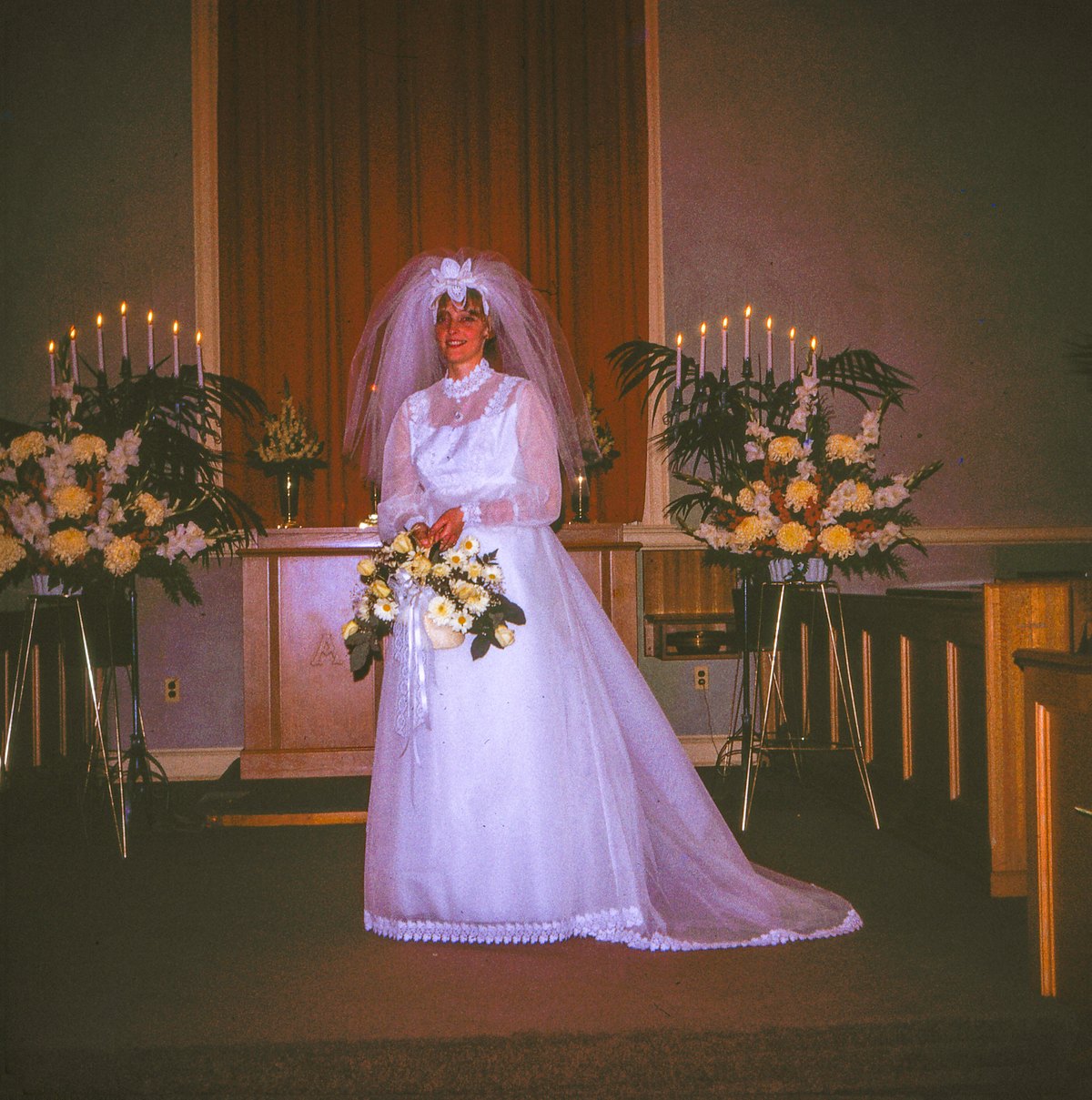
And roses didn’t have to be white, either. They could add color accents to an arrangement.
Roses might have been a long-standing classic at weddings, but the decade gave them some interesting company.
6. Orchids as a Focal Flower
Sometimes, one flower could attract attention without dominating the entire arrangement. Orchids weren’t necessarily the most abundant flower in the bouquet, but they could hold the strongest personality.
Cattleya orchids are known for large, showy blooms, making them ideal for arrangements where one flower needed to take the spotlight. And these flowers certainly could make a statement, with some blooms growing to an astounding 6–8 inches across or even larger.
These orchids can have wavy or ruffled edges that add texture, but their most distinctive feature is often the lip. It can be a different or darker color than the surrounding petals, creating contrast within a single bloom. A single Cattleya could offer differences in color, shape, and texture before anything else entered the bouquet.
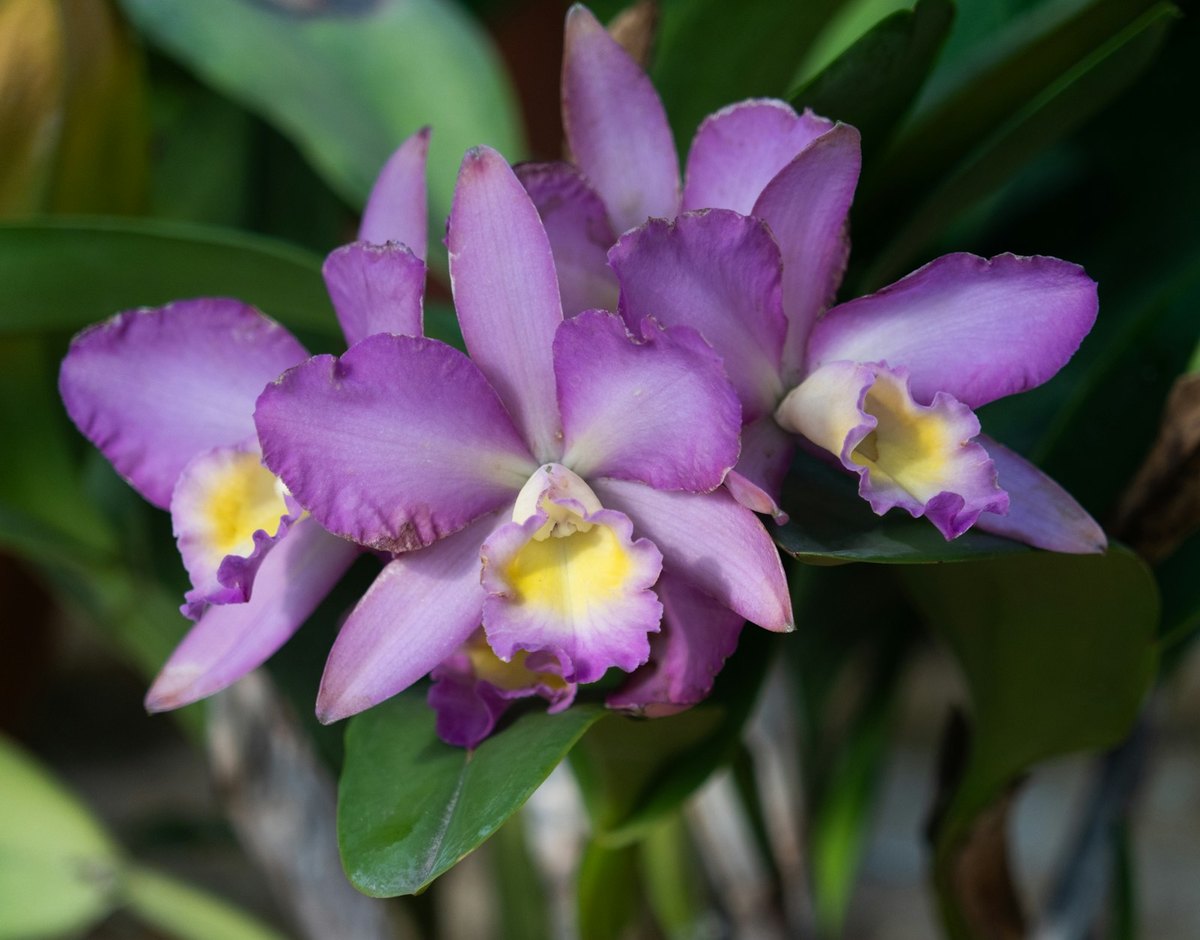
There’s something wonderfully 1970s about a flower that can show up one weekend at a high school prom, then take the spotlight at a wedding the next week.
7. Small White Stephanotis Blooms
Stephanotis is often referred to as Madagascar jasmine even though it’s not actually part of the jasmine family. Its other common names include bride’s flower, bridal wreath, and Hawaiian wedding flower, indicating the flower’s longstanding association with weddings. Unlike other blooms, it practically came with its own wedding credentials.
These flowers are small, waxy, star-shaped blooms with five spreading lobes that appear in clusters. Their distinctive shape set them apart from the larger blooms that surrounded them in bridal arrangements.
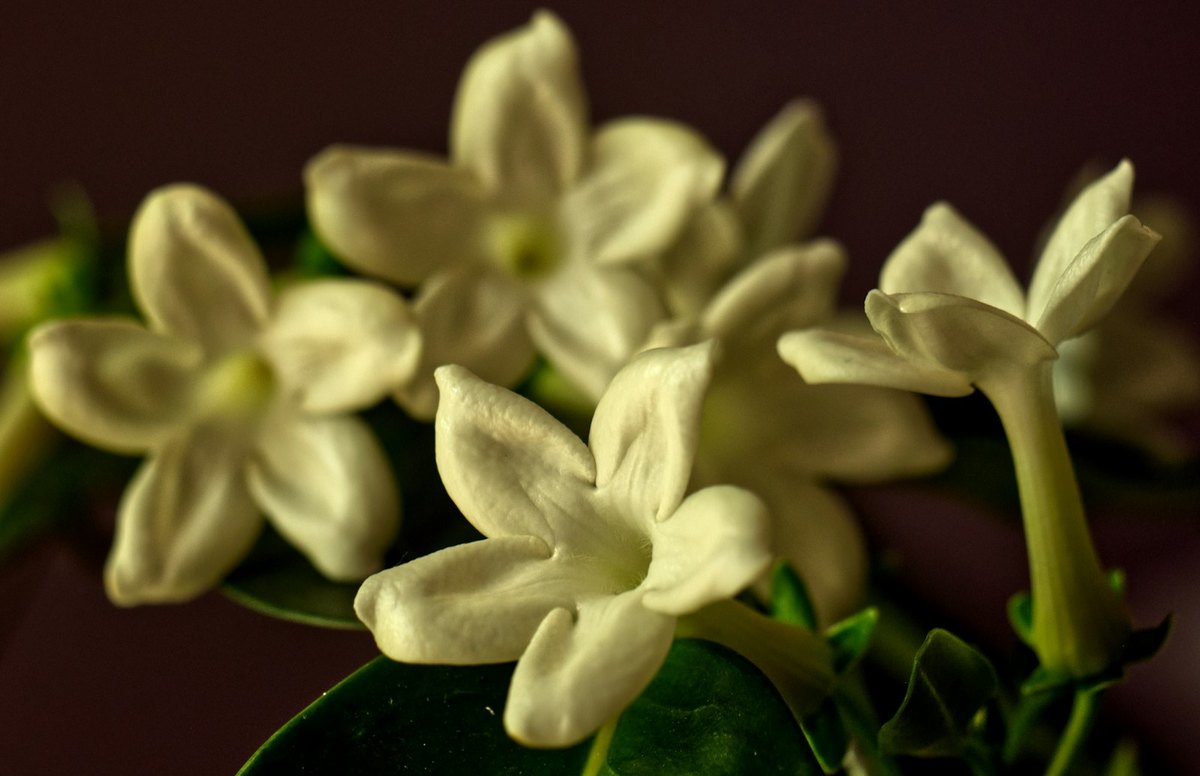
Despite their small size, stephanotis flowers could be wired individually into bridal arrangements. This allowed them to be positioned among larger blooms without wiring the entire flowering vine into the bouquet.
While this tiny white flower may not be the first bloom you recognize in 1970s wedding photos, it certainly had a lot more going on than its appearance first suggests.
8. Touches of Color Among White Flowers
White flowers might scream tradition, but not every 1970s bride wanted that for her wedding arrangement. A splash of color could be placed strategically throughout an all-white arrangement for visual interest. The color might appear as a central accent, in a few individual flowers, or throughout the entire bouquet. How much color a bride added could dramatically change the visual effect.
Color appeared in several different ways. Some brides included a single colorful bloom among the white flowers to create a stunning focal point. Others added several colored blooms that were distributed throughout the white bouquet. While the goal was to create contrast, the added colors didn’t have to be bright. Pale pink, ivory, cream, and other light shades could produce softer contrasts than saturated colors.
Adding touches of color to white flowers also allowed bridal parties to coordinate different elements. For example, a bride could choose flowers that complemented her attendants’ gowns or other decorations.
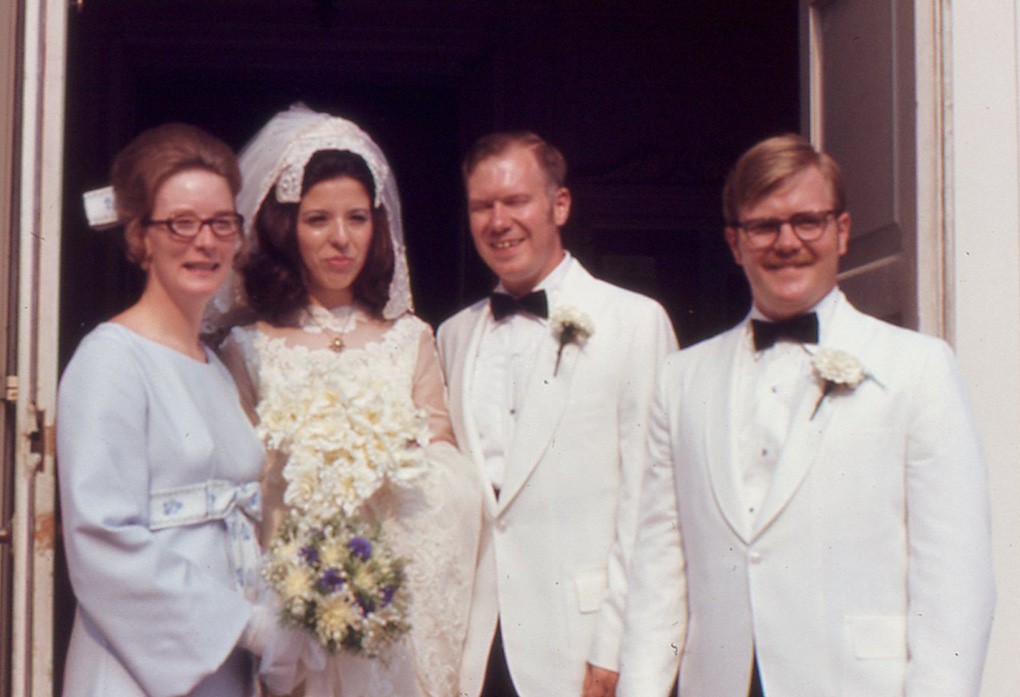
No matter what decisions were made, one thing was certain: the dress could keep the tradition. The flowers were in it to have a little more fun.
9. Trailing Ivy and Other Greenery
Greenery was much more than just a filler in 1970s bridal arrangements. It could be incorporated among the flowers or designed to extend beyond them. Foliage added green tones to bouquets that were primarily made up of white or colorful flowers. Different leaves introduced new shapes and textures to the arrangement.
English ivy typically has leathery leaves with three to five lobes that can vary in appearance depending on the growth stage of the plant. Its distinctive shape created contrast against rounded flower petals. Ivy wasn’t simply tucked around the flowers, either. It could extend the lines of the arrangement beyond the main cluster of flowers.
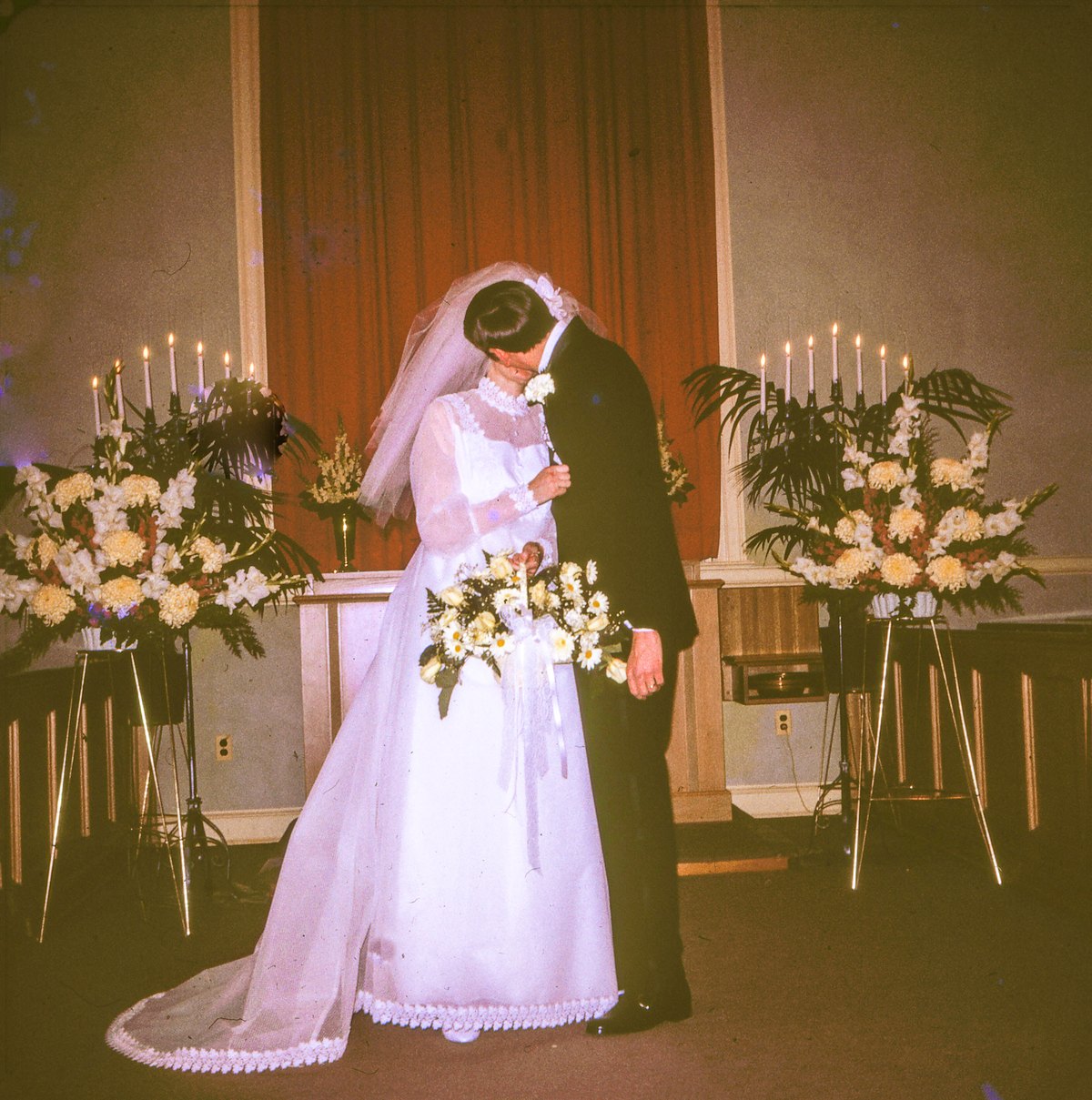
Brides weren’t limited to ivy in their arrangements. Some chose options like leatherleaf fern and aralia leaves. In some cases, different greenery was combined. Ivy could contribute longer, flowing lines, while something like leatherleaf fern provided a finer, branching texture.
When you look at everything greenery accomplished, calling it “filler” seems almost insulting.
10. Ribbon Streamers and Decorative Finishes
A bridal bouquet wasn’t always complete once the flowers were chosen. After the flowers were arranged, decorative finishes were sometimes added to achieve the overall aesthetic.
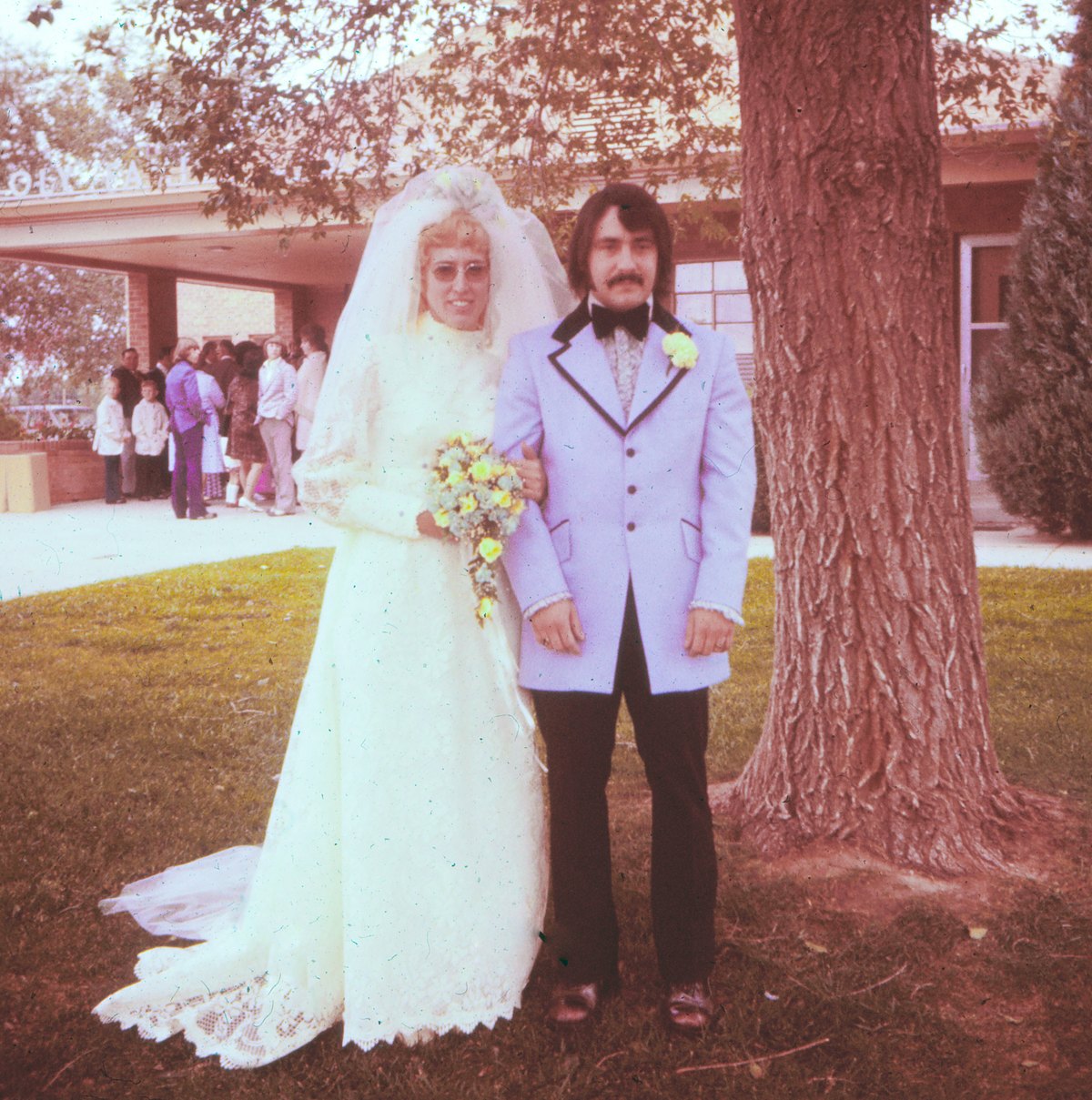
Ribbon streamers could hang beneath the main cluster of flowers. They could appear in colors that complemented the blooms or introduce an entirely new tone to the arrangement. Occasionally, streamers were tied into decorative love knots. Satin and velvet could both be used for ribbon streamers, but they each offered a different texture and visual effect.
Some arrangements also included lace, pearls, or decorative fabric. These elements added texture and movement without requiring the addition of more flowers. Not every addition trailed the bouquet. Lace or decorative fabric could be featured as a backdrop to the flowers. By that point, the bouquet was starting to look less like a flower arrangement and more like a full-blown craft project.
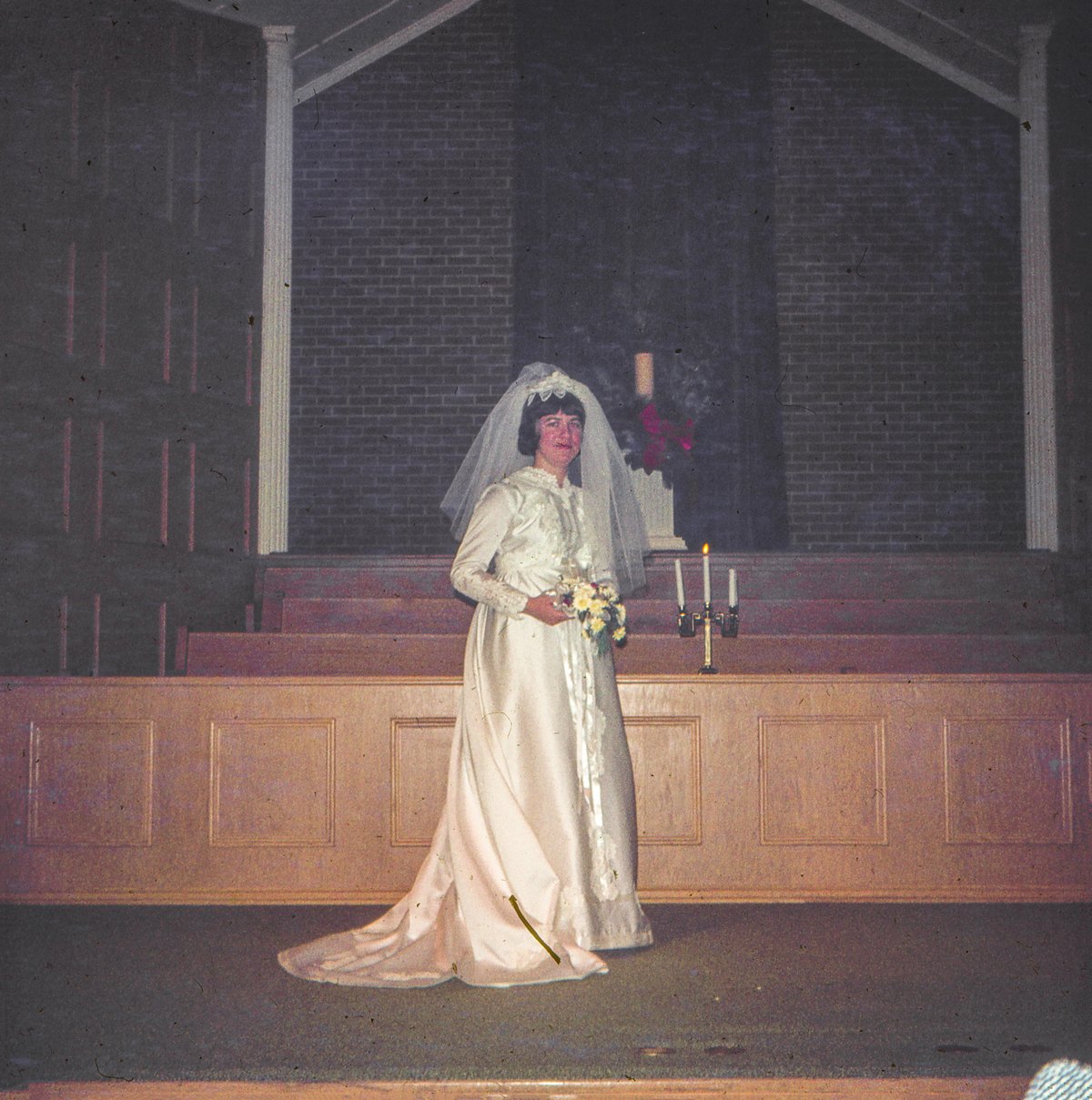
One More Look at the Wedding Album
Now that you know what you’re looking for, why not dig out an old wedding album? Really check out the bouquets this time. See if you can identify the shape, flowers, greenery, or that bizarre little detail you never noticed before. If you get stumped, try taking a clear photo to a florist to see if they can identify the flowers or type of arrangement. Who knows? You might finally solve a 50-year-old family bouquet mystery.
Vintage photos: 1971–1975 slides by If you didn’t film it, it didn’t happen! via Flickr (CC BY-SA 2.0); San Diego 1976 by sflovestory via Flickr (CC BY 2.0); Short Hills 1971 by roger4336 via Flickr (CC BY-SA 2.0); New Ulm 1974 from the U.S. National Archives, EPA DOCUMERICA. Flower close-ups by Kateryna Hliznitsova, Jeffrey Hamilton, and Gilbert Bergeraud via Unsplash.
Some links in this post may be affiliate links, which means we may earn a small commission if you make a purchase through them. Thank you for your support!