
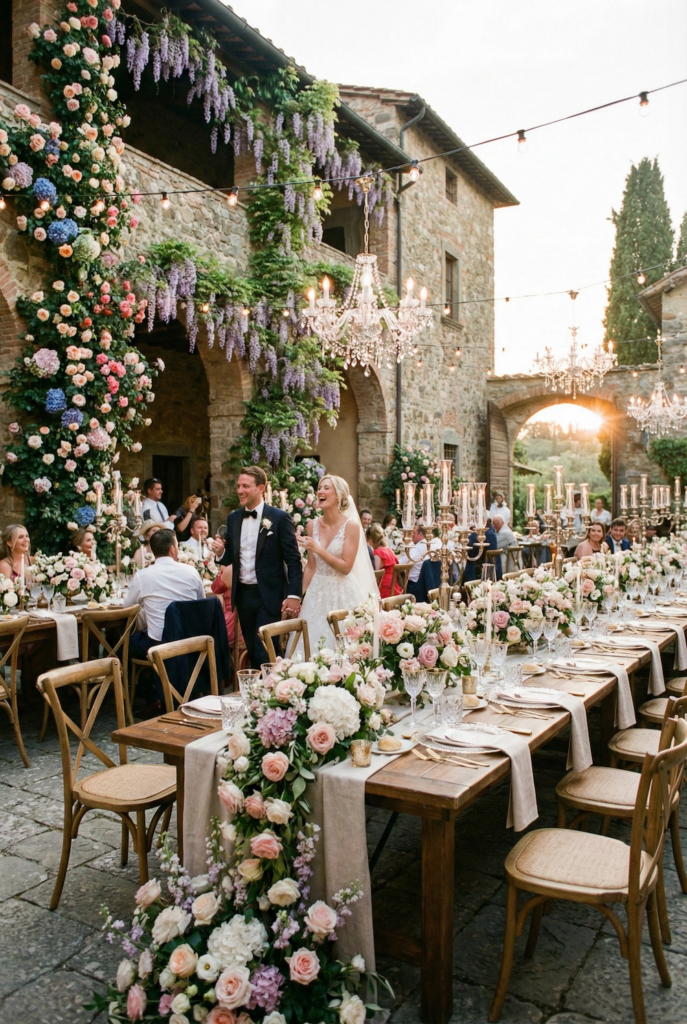
The last few years have trained couples to do a lot with a little: fewer guests, simpler designs, and a “keep it easy” approach that still somehow required 47 tiny decisions.
But heading into 2026, something new is happening.
Wedding costs moved up again in 2025—and it’s not like fewer people are getting married. Couples are still showing up for the big day. What’s changing is how they spend. Instead of trying to do everything, more couples are protecting a few “this really matters to us” categories, and scaling back hard everywhere else.
The Wedding Report’s latest market refresh (based on 18,611 data samples) shows average total wedding spend rising from $31,428 (2024) to $32,899 (2025)—about a 4.5% increase. And that price pressure is shaping a very real 2026 planning style: confident choices, fewer add-ons, less “maybe we should also…”
So what does that mean for you?
What This Means for Your Wedding
If you’re planning a 2026 wedding, expect this vibe: fewer things, better picks.
Not “cheap.” Not “minimal.” Just… more intentional.
Here’s the pattern showing up in the data and in how couples are behaving:
- Couples are still spending on the categories that make the day feel good: food, music, and solid photo coverage.
- Couples are pulling back on the middle layer of extras: extra décor, extra rentals, long upgrade lists, and anything that feels like it’s there “just because.”
- Couples are choosing a lane: either go big where it matters or streamline and keep it clean—with fewer half-measures.
Here is a sample budget from a 125 person planned in 2026 in New Jersey:
Sample 2026 wedding budget (about 125 guests)
For a 125-guest wedding, this estimate puts the total at $33,490–$40,932 (with a + $268–$327 bump for each additional guest).
Where the money typically goes (in this example):
- Venue + food + bar (biggest line item): $15,203–$18,581 (45.4%)
- Venue/location: $6,854–$8,378 (20.5%)
- Food service: $5,483–$6,701 (16.4%)
- Bar service: $2,866–$3,502 (8.6%)
- Photography + video: $5,512–$6,736 (16.5%)
- Flowers + décor: $3,092–$3,780 (9.2%)
- Attire + accessories: $2,390–$2,922 (7.1%)
- Rings/bands (not engagement ring): $1,818–$2,222 (5.4%)
- Entertainment (DJ + lighting): $1,670–$2,041 (5.0%)
- Invitations + paper goods: $969–$1,185 (2.9%)
- Transportation: $1,220–$1,492 (3.6%)
Trying to figure out what your budget will be? Below is what’s rising, what’s holding, and where you can simplify without the wedding feeling stripped down.
Here’s Where Couple Are Still Spending Money
1) Food and Beverage: Still the “Must-Have”

Food went up again in 2025 (venue food service, bar service, desserts all increased), and couples still treat it as non-negotiable.
What’s changing isn’t whether couples serve dinner—it’s how they structure it:
- Fewer “extra” stations that no one really uses
- More focus on guest experience: pacing, service, and the parts people actually remember
If you want a smart 2026 move: pick one food moment and make it great.
Examples that guests actually talk about:
- incredible passed apps (even if dinner is simple)
- a late-night drop (pizza, tacos, dumplings, sliders)
- a standout dessert moment
2) Entertainment: People Will Pay for a Fun Room
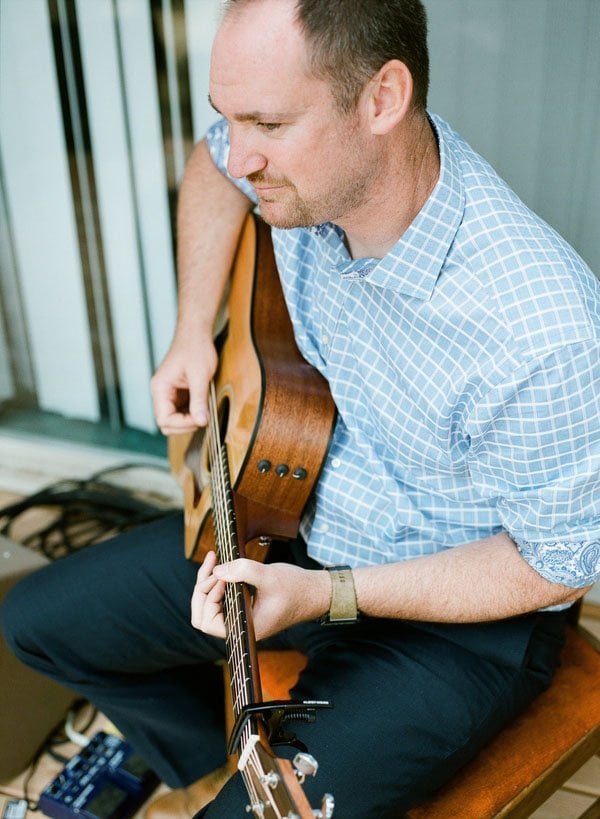
DJ/MC services rose again, and live bands jumped even more. That tracks—because no one remembers your chair ties, but everyone remembers whether the dance floor was alive.
If you’re choosing between “more décor” and “better music,” 2026 couples are choosing music.
A helpful way to think about it: entertainment is the thing that changes the whole feeling of the night.
3) Photo and Video: Core Coverage Stays—Extras Get Pickier

Photography and videography both rose in 2025. Couples are still protecting the core, but they’re getting more selective about the add-ons.
What couples are still paying for:
- a strong main photographer
- clean, reliable coverage of the day
What’s getting questioned more often:
- lots of add-on items that sound nice but don’t feel essential once you see the total
If you’re trying to keep this category under control: ask for a package that covers what you truly want captured—then skip the long menu of upgrades you don’t care about.
4) Attire: Still an Anchor Purchase
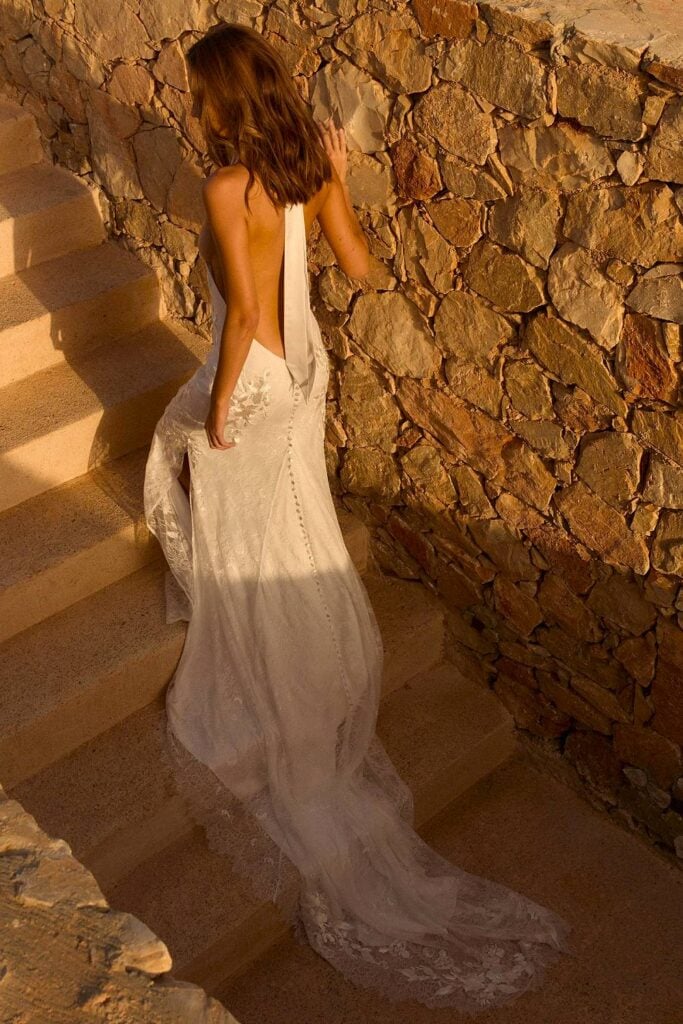
Dress spending rose again, and couples continue to spend here because it’s emotional. People expect to spend on what they wear.
The shift is that couples aren’t always “trading down”—they’re either:
- buying the dress they want and moving on, or
- simplifying the whole approach (and not dragging it out for months)
If you’re trying to keep it reasonable: decide your max early and don’t keep trying on gowns outside of it. That is how budgets mysteriously evaporate.
Where Couples Are Cutting
5) Rentals and Décor: Fewer Pieces, Not Cheaper Pieces
This is the big one.
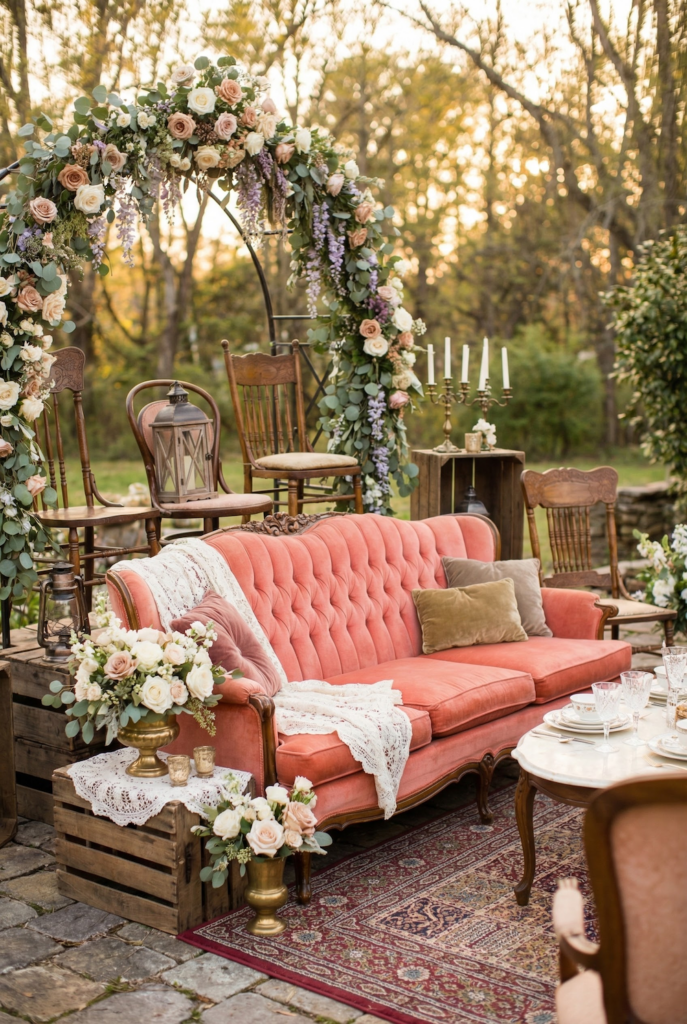
In the 2025 numbers, some décor/rental participation softened even while certain line items rose. That’s the real-world version of what couples are doing in 2026: not necessarily choosing “budget” options—choosing fewer things.
Instead of trying to decorate every corner, couples are putting effort into:
- ceremony backdrop
- lighting/candles
- one wow moment (bar, escort display, sweetheart table, entry moment)
…and letting the rest be clean and simple.
This is also the easiest way to avoid a wedding that feels chaotic. Too many décor moments compete with each other. A few strong ones feel intentional.
6) Extras That Aren’t Worth It

This is where a lot of couples get stuck: spending money on things that aren’t cheap, but also don’t change the experience.
Examples:
- upgrading a bunch of small décor items
- extra signage and tiny extras no one reads
- multiple add-on services that sound nice, but don’t change how the day feels
2026 couples are getting better at asking:
“Will anyone notice this in real life?”
If the answer is no, it’s often the first thing to go.
How to Tighten Your 2026 Budget (The Smart Way)
Here’s the simplest way to use this data without turning planning into a spreadsheet marathon:
Step 1: Pick your “must-have” categories (2–3 max)
These are the ones you’ll prioritize even if pricing is higher than you expected.
Most couples choose from:
- food + bar
- music/entertainment
- photo coverage
- venue (if it’s your dream space)
- your look (dress, hair, makeup)

Step 2: Pick your “keep it simple” categories
These are categories where you’ll keep it simple on purpose.
Common picks:
- rentals
- décor beyond the key areas
- upgrades and add-ons
- favors and extras
Step 3: Make one clear “wow” decision
This is the part guests will remember as your wedding.
It doesn’t have to be expensive, but it should be intentional:
- the candlelit dinner room
- the band that brings the house down
- the incredible passed apps
- the ceremony backdrop that stops people in their tracks
One strong choice > ten small ones.
If You Want to Spend Smarter in 2026, Ask Vendors This
These questions help you avoid paying for fluff:
For catering/bar
- “What changes the guest experience most: menu upgrades, staffing, or service style?”
- “If we want to save, what’s the easiest place to simplify without guests noticing?”
For photo/video
- “What does your base coverage include, start to finish?”
- “If we skip add-ons, what do most couples not miss later?”
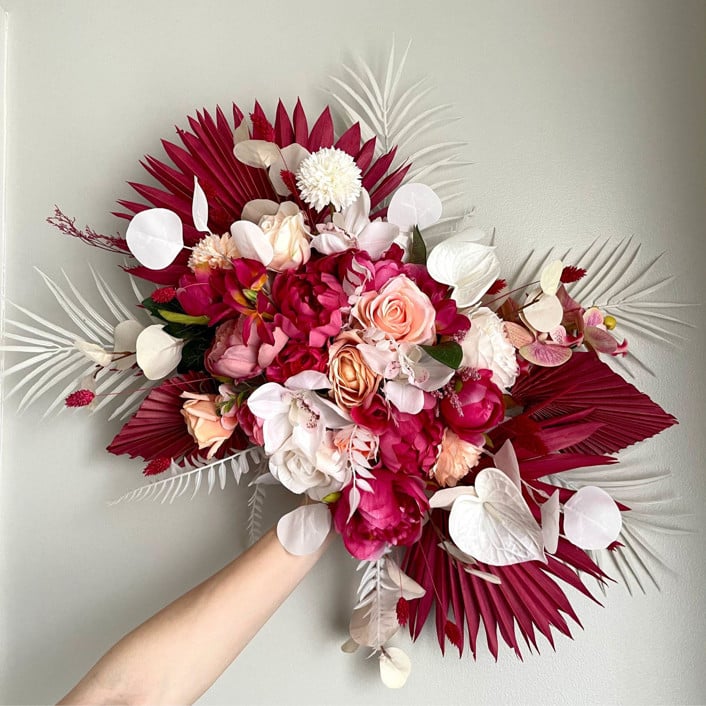
For florals/decor
- “If we want this to look full, where should we concentrate flowers?”
- “What do you see couples cutting that doesn’t hurt the overall look?”
For DJs/bands
- “How do you handle pacing—dinner flow, speeches, transitions?”
- “What’s one thing you do that keeps the dance floor going?”
The Bottom Line for 2026
Yes, pricing is up. But the bigger story isn’t that weddings are becoming smaller or less meaningful—it’s that couples are getting clearer about what they want their wedding to feel like.
If you protect the categories that shape the experience, and you simplify the ones that don’t, you end up with a celebration that feels personal, warm, and very “you”—without spending money on things you only added because you thought you were supposed to.
If you want, paste your rough budget (even just big buckets like venue/food/photo/etc.) and I’ll help you do a quick 2026-style “protect vs. simplify” plan.
Some links in this post may be affiliate links, which means we may earn a small commission if you make a purchase through them. Thank you for your support!


