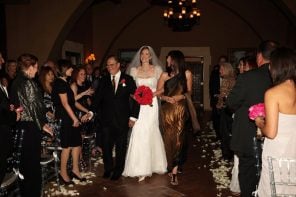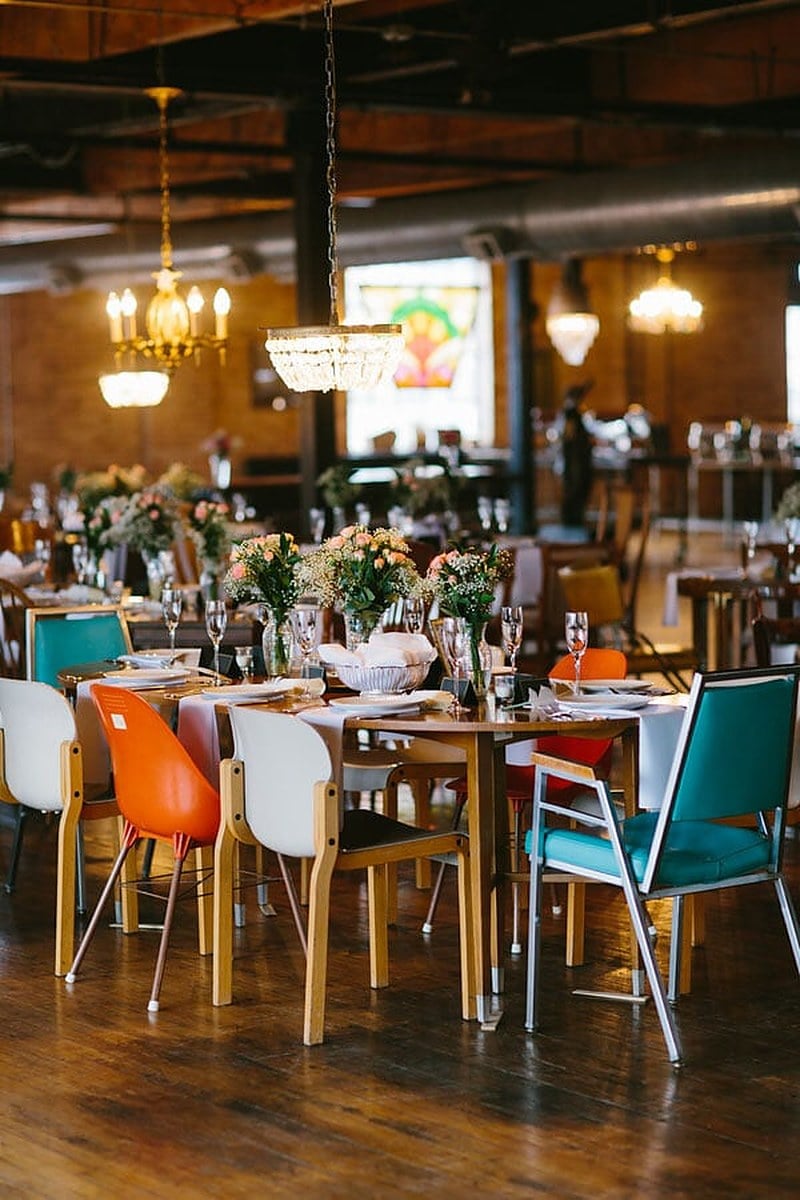
One of the main reasons I started WomanGettingMarried.com was because I had such a hard time finding a wedding venue. Not only finding a wedding venue, but even if I booked a tour with one that looked nice, I soon realized by the time I got there that what I thought was included wasn’t. Those beautiful chairs in the photos on the website? Upgrade. The farmhouse tables? That’s another upgrade. The sheer linens instead of the plain white ones? You guessed it…that’s another upgrade!
If you’ve toured venues before (or are in the process of searching for one) you might know exactly what I’m talking about. If not, well, this article is even more for you. It turns out that trying to figure out what’s included and not included at a venue can make you feel like a private detective. And it’s not just couples that experience this! When I was writing my Smart Wedding Planner, I interviewed wedding planner (and now owner of the Walden wedding venue) Maria Erickson, who was so fed up with the upcharges at venues she decided to start her own.
What she pointed out is that when you tour venues (especially during that sunny Saturday hour when the room is set up for another wedding), you end up falling in love with everything you see…the chairs…the table settings…the lighting. But when it comes time to sign on the dotted line, you soon realize that you’re not just spending a few dollars more to get the look you thought was included. But a few thousand more. And it adds up fast!
Thankfully, when you know the mistakes most couples make when it comes to wedding venues, you’ll learn NOT to make the same ones. Read through this list and let us know if any of these have happened to you.
1. You Fell in Love With the Photos and Assumed That’s What’s Included
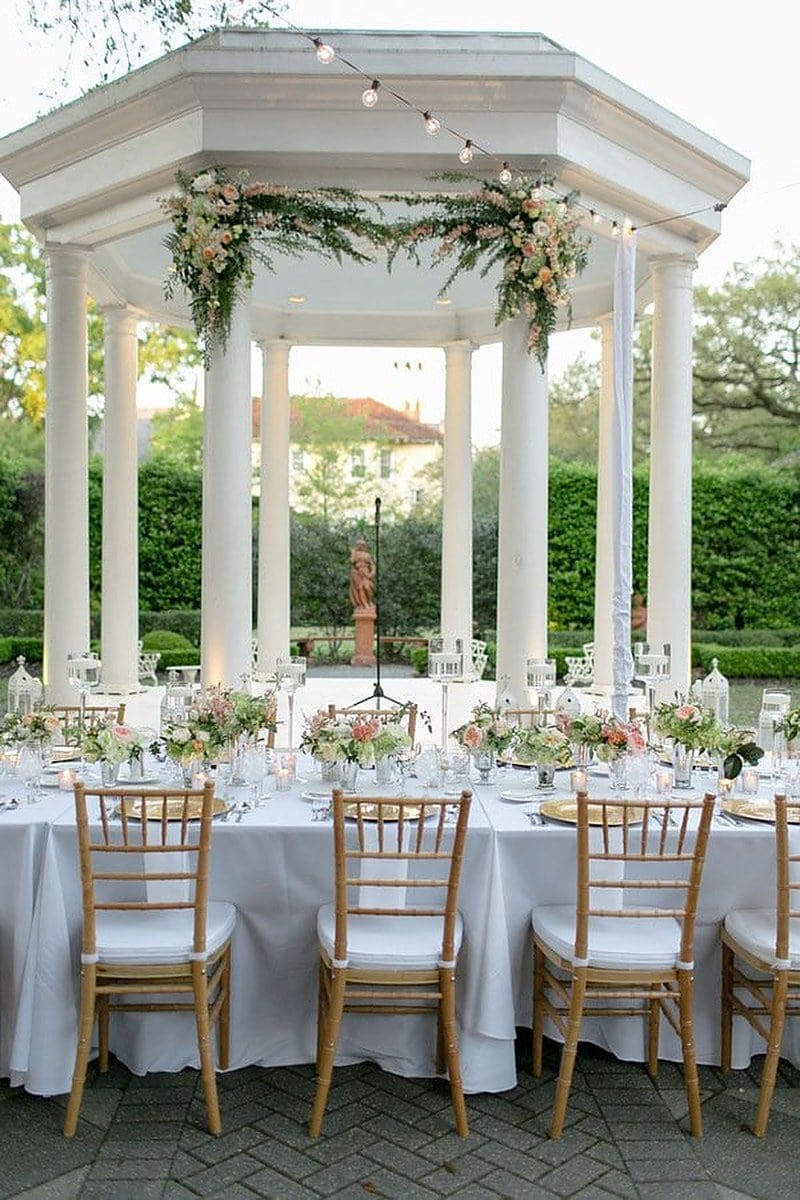
Maria’s biggest frustration with other venues is the tour itself. “The venue rep shows them beautiful pictures that are just gorgeous and lighting and draping and just the ambience is amazing. But they just don’t say like, ‘Hey, this is what it’s going to cost.'” Maria said that when you see those gorgeous venue photos, the lighting alone probably cost thousands more, since most venues’ lighting is “either on or off.” Pipe and drape and dimmable lights? That’s on you. She’s seen quotes from design firms of an additional $30,000 on top of the venue rental price to recreate the look. Yikes.
When narrowing down your venue options, keep a list of what each one includes: tables, chairs, linens, serveware, a sound system, a getting-ready room, parking. Those add up quickly, and as Maria told me, “not only is the rental fee on those pretty substantial, it’s the delivery and the pickup fee that really adds up there.”
And it’s not just decor, either. One couple on Reddit learned the hard way: “If things like tables, chairs, plates, linens etc are included, ask to see them. We found out months later the included tableware/drink ware was all plastic which was not what we were expecting.”
Ask the venue what you get for the price, what’s included, and whether you can see a photo of it, and then ask where you can upgrade from there.
2. You Didn’t Ask What the Service Charge Covers (or What It Does to the Total)
One couple toured, fell in love, booked, paid most of the package price, and sat through a “details meeting” to go over all outstanding balances. Then: “Until today, three weeks before the wedding, we’re hit with a hefty $10k+ fee on top of the existing charges, citing ‘service fee’ and ‘sustainability fee’. It turns out it was in the fine print of the contract that this fee was mentioned, but it was never explained to us during our initial meeting or by the time of us signing.”
You will often see an additional service charge ranging from 18%-25% on top of your food and beverage cost, plus tax. It may or may not include gratuity, so ask your venue before you sign the contract so you know how much to budget.
Maria’s shorthand for a hotel or country club with in-house catering is that “you need another 30% of that added to it that you just need a budget for.” So if you’re looking at a venue with a $30,000 food and beverage minimum, know that’s really a $39,000 minimum before you even think about adding flowers. And a service charge is different from a gratuity. While it differs by venue, a service charge is usually a combination of labor and administrative fees, and does not include tips. If you’d like the staff to receive a gratuity, you may still have to tip them. (We go deeper on this in our post on whether you need to tip on top of a venue service charge.)
3. You Booked the Outdoor Space Without an Equally Good Rain Plan
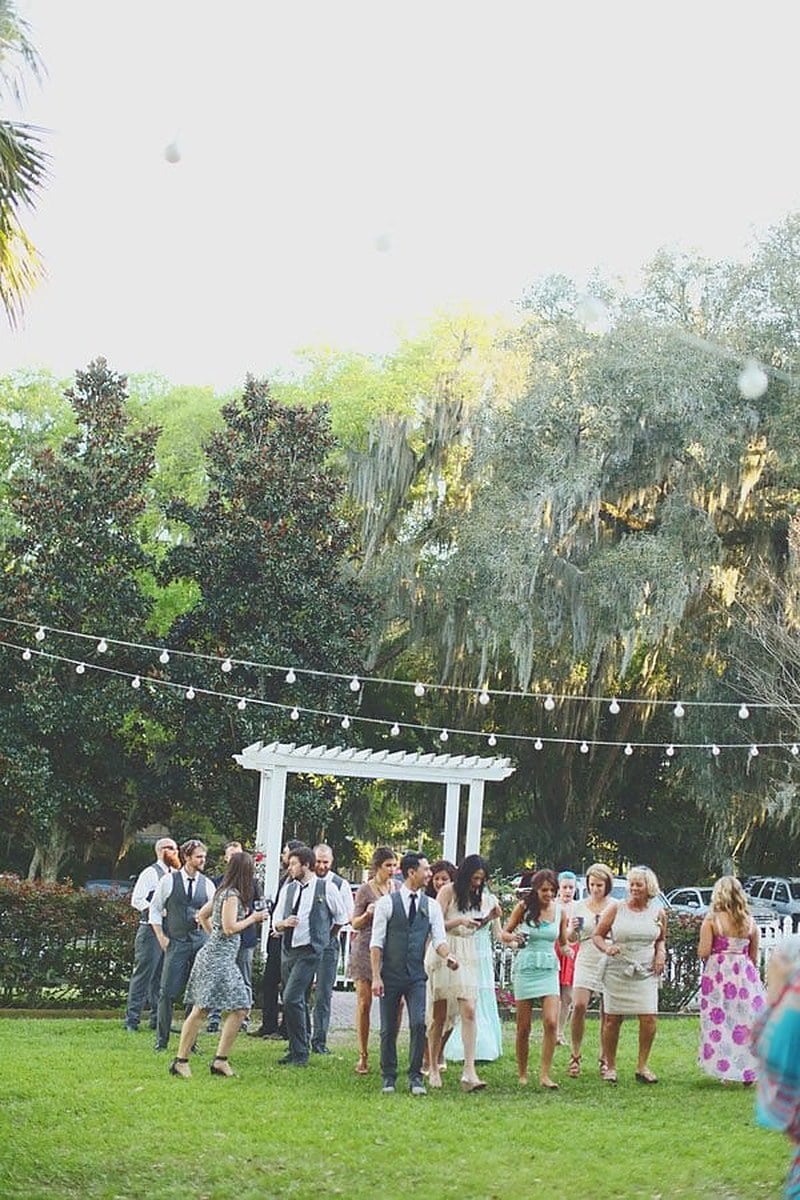
If a venue has an outdoor component you love, make sure you tour the indoor space, too. I asked Maria what the number one question should be in that situation. “The venue needs to have equally cool backup plan. That’s just like a number one question.” In Chicago, she figures there are about 12 days a year when an outdoor wedding is comfortable. Your area may be different, but odds are it’s not perfect weather every Saturday of the wedding season.
You definitely want to tour the backup space to make sure you love it, too. Otherwise, you might end up in a situation like this poster’s bed-and-breakfast venue, where the only indoor space was the house: “There is a tent for the reception, but if it’s pouring rain everyone will be forced to stay under it the whole time and get drenched when they have to go inside to the restroom!” Another commenter weighed in: “I went to a wedding like this once. It poured. We all got soaked using the bathroom. 0/10 do not recommend.”
If you’re having any part of your wedding outside without a covered backup plan, you’ll want to look into renting a tent. Your venue may include one in their pricing, however most will have you rent one separately. Keep in mind, though, not all venues are set up for tents. Pole tents typically need to be staked to a depth of at least 3′, and some venues just can’t do that. Walk the backup space on the tour and picture your ceremony in it. If you’d be sad, keep looking (we have more on this in our rainy day wedding tips).
4. You Took the Venue’s Word for It Instead of Getting It in Writing
Did the venue say you could reschedule your date when you talked to them on the phone? Great. Now get it in writing! I added that line to the contracts chapter of my planner after talking to a bride whose venue told her, “Hey, your wedding’s in May, but talk to us a month before if you want to reschedule it.” And then, a few months later, she decides to reschedule, and they tell her that, actually, no, now she can’t.
Oral contracts do exist, but they’re a lot harder to prove. Bob Schrader, an attorney and former venue owner I interviewed for my Smart Wedding Planner, gave the fix in one email: “Thank you. Yes. We’ll let you know at least a month. You said that we can reschedule up to a month in advance, so we’ll let you know no later than April 30th if we need to reschedule for June, but right now we plan on going ahead.” Then, as he puts it, “they’ve got some documentation.”
This is also great advice for anything you casually discussed when you toured the venue. One couple booked a wedding venue that’s part of an inn with two rental houses attached. They were told the owners “haven’t raised prices in years,” but two years later they received an email detailing an $800 price increase, plus $1,200 in cleaning fees and a $2,000 security deposit. As the poster put it, “We verbally spoke about swimming, getting ready, and having the after party there, didn’t get it in writing which was my mistake.”
One more contract tip: discuss any potential changes you’d like to make in person or over the phone first, and once the changes are made, make sure each party initials and dates them.
5. You Thought the Venue Coordinator Was Your Wedding Planner
A venue coordinator is employed by the venue. That’s not a criticism, it just means they’re focused on making sure everything related to the actual space (including, but not limited to, making sure that the kitchen has a realistic serving timeline and getting everyone off-site at the time stipulated in your contract) is taken care of. As DJ Ian Gotler, whom I also interviewed for the planner, puts it: “Sometimes, you don’t have a coordinator, you just have a venue. Now, the venue has a very specific mindset, they want to get everyone on and off property and they want to make sure everyone gets fed on time but they’re not really caring about the emotionality, the moment to moment of it.” Which means that at 5:40 p.m., when the flower girl is missing, your venue coordinator is in the kitchen with the caterer.
It makes sense why couples might conflate the two positions. “When I was planning my wedding, venue coordinators were promoted as being almost wedding planners. So the expectation came from there,” says one event coordinator who once worked for a company that owns six different venues. “Everybody should always get a day of coordinator,” says Maria, who owns a planning company and a venue. In fact, during the pandemic, they learned that “even weddings that are under 50 people, you need a day of coordinator for 50 people.” Not sure which one you need? We break down the difference between a wedding planner and a wedding coordinator and whether you actually need one.
6. You Didn’t Count Setup, Breakdown, and the Hard Out in Your Hours
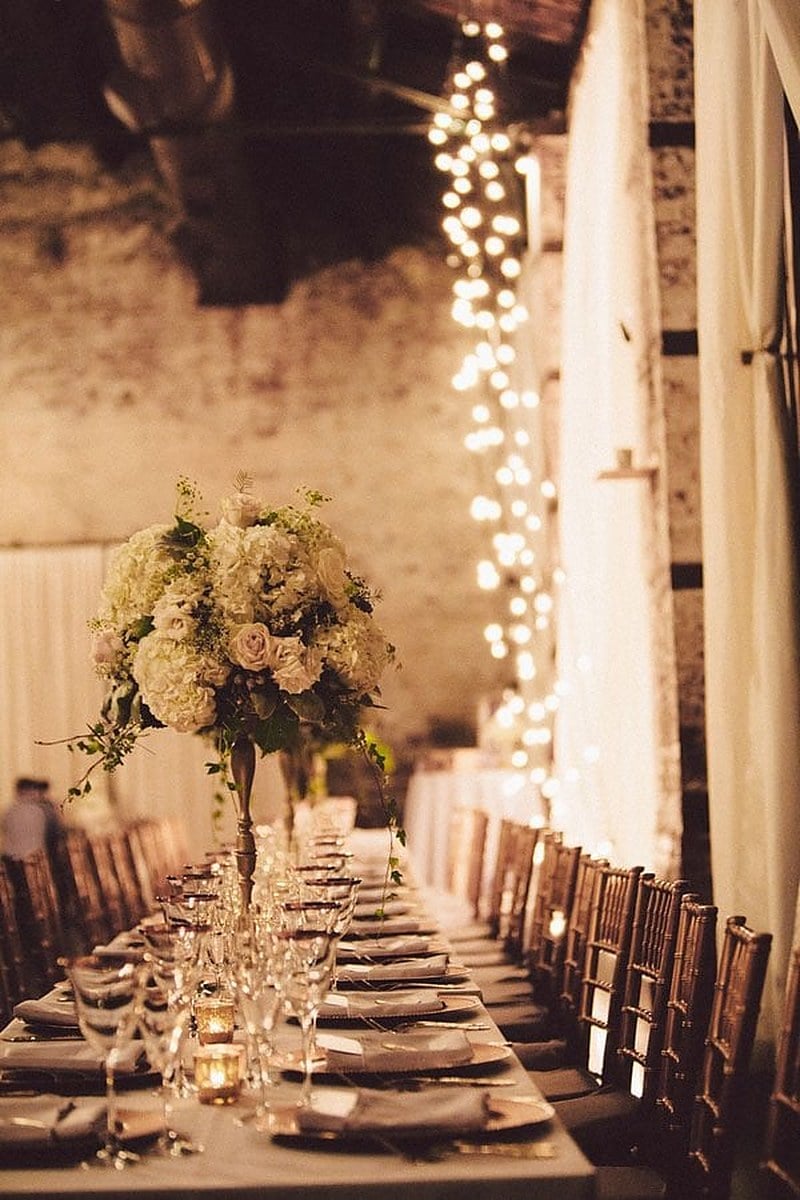
One of the first questions on the timeline worksheet in my planner is how many hours you have your venue for, including setup and breakdown. More often than not, that number is not what couples expect. Your “10-hour rental” might include a 2 p.m. start time for vendors (your florist, for one), a 5 p.m. ceremony, and a hard out at midnight (meaning that if anything of yours is still on-site after that, you’re potentially paying additional by-the-hour charges).
And if your desired last dance happens after 10 p.m., you’d better make sure there’s not a noise ordinance in effect before falling head over heels in love with a venue. There’s no getting around these on the day of. One commenter says “Required end time!” is on their list of questions for exactly this reason: “It was important to us to have flexibility if we wanted to go late, so we made sure to clarify since some venues have to abide by local noise ordinances and you may have to shut down earlier than you want.”
And just in case you’re thinking that you’ll simply shell out some extra cash for an additional hour at the end of the night, know that it is rarely cheap. One couple discovered in the final week before their wedding that their reception would last only three hours (instead of the four they’d been led to believe), and the additional hour would cost them $4,800. Wondering whether it’s worth splurging for an extra hour of dancing? Check out our guide to how long a wedding reception should be, especially if you’re eyeing a venue with a 10 p.m. curfew.
7. You Never Asked What It Costs to Go Off the Preferred Vendor List
There are basically three kinds of vendor lists, according to Maria: exclusive vendor lists (“this is the finite list that you have”), preferred vendor lists (“anybody off the list just needs to be vetted and provide a certificate of insurance to be allowed to work there”), and open vendor lists (“where you might be able to source much more budget-friendly vendors, but it is a lot more work on your own”). Before you sign with a venue, ask which kind of list they have, and if you want to go outside of it, whether you can get special approval for a fee. Once you have that list, call a couple of those vendors and ask if they charge any additional fees for booking at that venue.
And even if you use vendors from the venue’s preferred list, you could still be stuck with surprise extra costs. One couple on Reddit, for example, booked a venue with a preferred vendor list of six caterers. As they were collecting catering quotes, though, they noticed that “one caterer has an 8% ‘venue fee’ tacked on, and another has a 12% ‘venue fee.'” Turns out, these venue fees were what the caterers paid the venue to be on the preferred vendor list. And it was the couple, not the caterers, who footed the bill: about $2,000 that was nowhere in the contract they signed with the venue.
8. You Toured at 2 p.m. for a Wedding That Happens at 6 p.m.
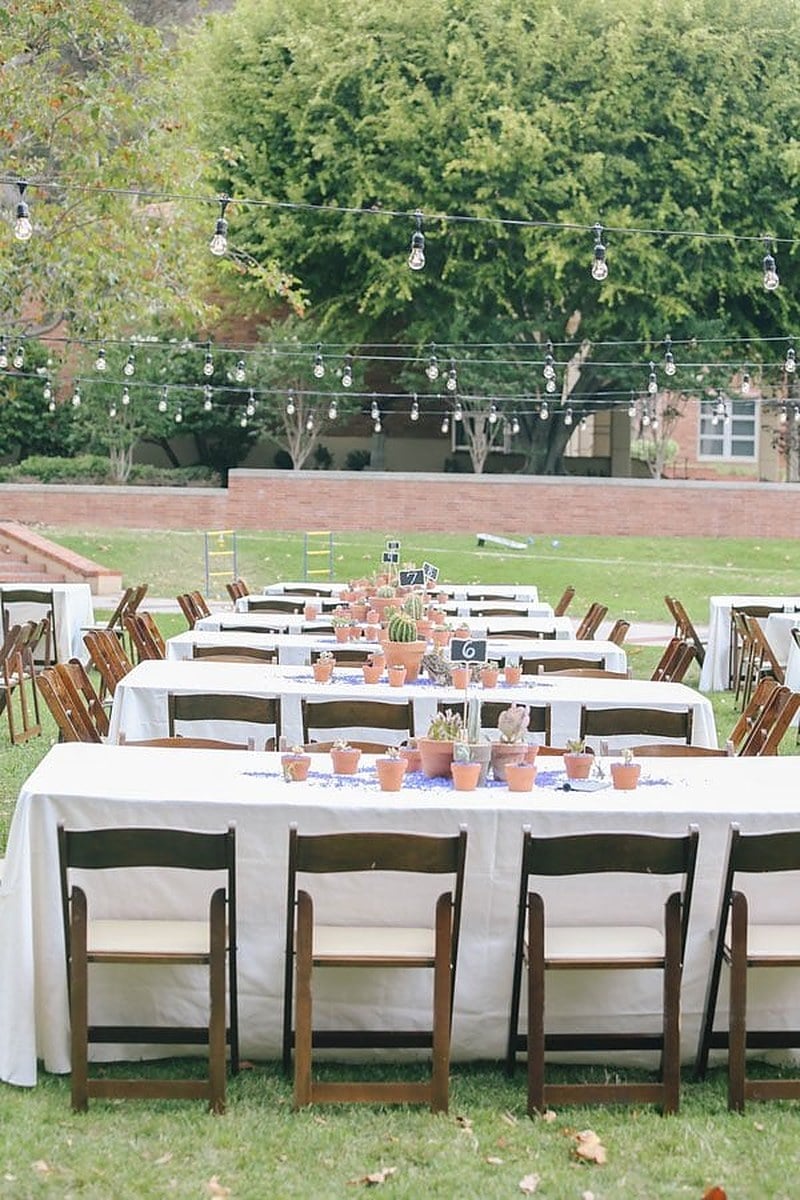
Lighting is one of the most important (and most overlooked!) parts of a venue tour. When I asked photographer Jon Lemon what couples should look for in a photographer’s work, this is what he had to say: “It is something to look at and be aware with maybe the venue choice you have, the timing of the year, say if you’re having a winter wedding in the Northern hemisphere, it gets dark earlier. Maybe all of your portraits will be at night and they need to be really skillful with flash to accomplish that.”
But even if you’re not planning a winter wedding, you’ll still want to keep the sun’s position in mind when touring potential venues (and picking a ceremony site!). Picture a tour that ends with everyone gushing over a wall of west-facing windows. It looks amazing at 2 p.m., but if your ceremony starts at 5 p.m. in June, those gorgeous windows mean your guests will be staring straight into the sun the whole time. This was exactly what happened at one Napa wedding a guest described, “where it was 95 degrees during their 5pm ceremony. All of the guests were sitting directly in the sun and you could visibly see people getting sunburnt as the ceremony went on.” Ouch!
Tour your top-choice venues more than once if you can, ideally visiting at the time of day (and season of the year!) that your wedding will take place. If that’s not an option, research the sunset time for your wedding date and do your best to imagine how the light will be falling in the space during your ceremony and reception. And don’t forget to ask the venue manager about lighting control: Can the overhead lights be dimmed? Are there curtains or blinds you can close to block out the sun? (Some venues won’t even mention the existence of window coverings until you specifically ask about them.) The last thing you want is a dance floor under glaring lights that can’t be dimmed. We have more fixes in our outdoor wedding lighting ideas and in our post on the timeline mistakes that ruin wedding photos.
9. You Sized the Room to Your Invite List
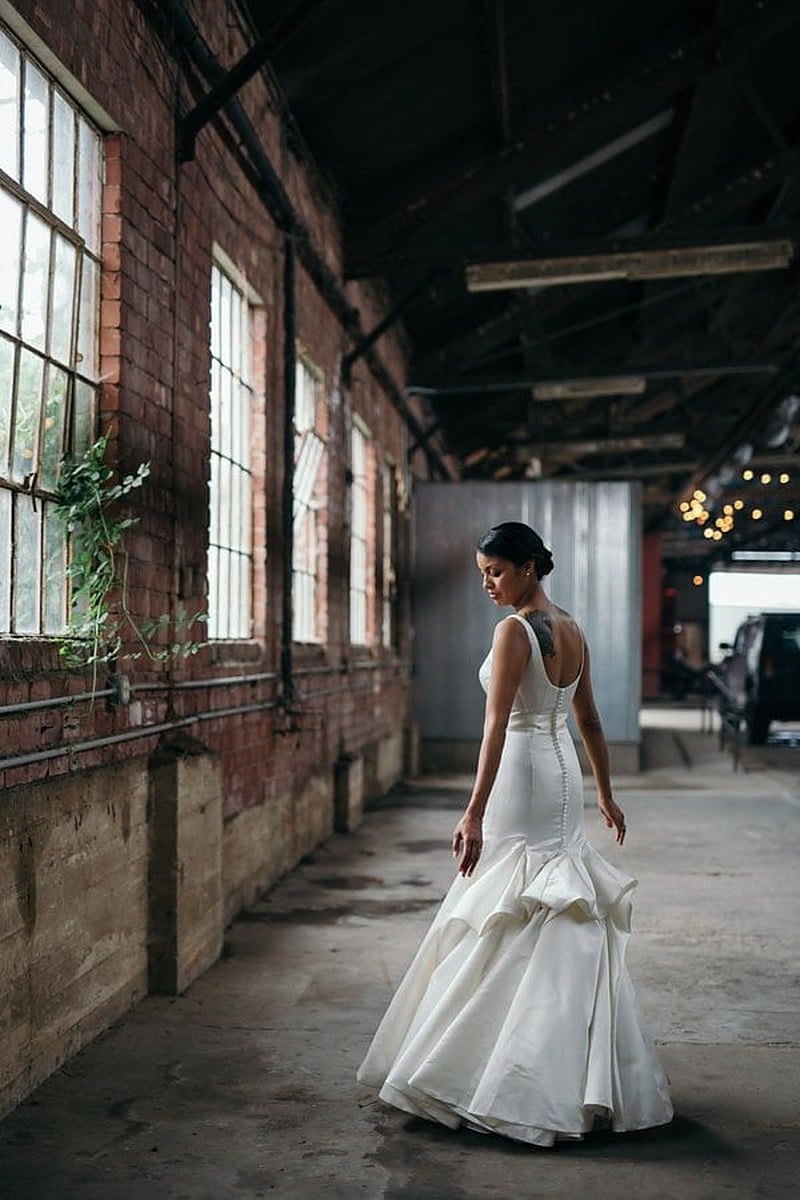
Say you’re envisioning a sit-down dinner for all of your guests. Before touring a venue, make sure you know its maximum seated guest count (not just its overall maximum capacity, which may only apply to standing room/cocktail hour). One commenter learned this the hard way: “Some venues will say on a wedding website that the capacity is say, 200. only to learn later that it’s 200 standing/cocktail, and only 125 seated. so I learned to ask about seated capacity and not just max capacity lol.”
Keep in mind, too, that you’ll likely want to book a venue that can accommodate a few more guests than you end up with, especially if you’re planning a sit-down dinner. Maria’s rule of thumb for Chicago is that if you’re inviting about 200 people, “15 to 20% of those would RSVP, no,” so “you want to err on the side a little higher.”
But “a little higher” isn’t necessarily as high as a venue’s maximum capacity. If a venue is suggesting you push some tables (and, thus, some guests) outdoors to accommodate your entire guest list, be sure to think about whether that’s something you actually want. One commenter whose venue had a max capacity of 120 guests indoors (or 150 if some tables were placed outside) put it this way: “I would not put some guests outside. If I was placed outside, I’d feel like a second tier guest.”
Whenever possible, request a floor plan from venues you’re interested in and make sure there’s room for all of your must-have elements (seating, tables, dance floor, bar, DJ or band, etc.) for your estimated guest count. To estimate your ideal dance floor size, divide your guest list by 2, since typically only 50% of your guests will be dancing at a time. If your ceremony and reception will be taking place in the same space, ask how long it will take to clear and reconfigure the room for dancing. Maria’s rule of thumb is less than an hour (since that transition time will likely coincide with cocktail hour). Open seating is the trickiest of all, and should be avoided unless you feel comfortable with the layout.
10. You Never Asked If There’s Another Wedding That Day
You’re in love with the location and it’s available on your date. But did you stop and think about what it means if your venue can host more than one event at a time? From having to share staff and restrooms to hearing the other couple’s band blaring during your toasts, having another event on-site can range from slightly annoying to downright disastrous. I wrote a whole post on the number one question to ask your wedding venue before you book, and it is still this one.
Will the other wedding’s setup and teardown time interfere with yours? Do reviews of the venue mention noise complaints? Large, sprawling venues that host multiple events do a great job of spacing their events out so they don’t interfere with one another, but smaller venues may not be as mindful of that. It’s also worth asking how the venue hosts multiple events successfully: how close are the sites to one another? Do they share staff? Parking? One commenter’s advice for a venue with multiple sites was simple: “If there are multiple venues at the same place, ask about timing, staff and parking.”
11. You Forgot Your Guests Have to Park, Get There, and Find a Bathroom
When you toured the venue you fell in love with the view, the ambiance, the decor. Your 80-year-old grandma is going to focus on the flight of stairs to get inside, the gravel parking lot, and the long line for the two bathroom stalls. Maria’s list of amenities to ask about is the unglamorous one: “Do they include parking, sound system, security, all the line items like that.”
Start with parking. Is it included? Are there any restrictions (like not being able to leave a car overnight)? Does the venue offer or require valet parking? (This could run you as much as $25 per car!) If parking is an issue at your venue, arrange transportation for your guests, like a shuttle from an offsite lot or from a nearby hotel where you’ve set up a room block (we walk through how to set up hotel room blocks for your wedding). If your venue doesn’t allow cars to stay overnight, add a line like this one commenter used on their wedding website: “Please note that cars cannot be left at the reception venue’s parking lot overnight. Please plan accordingly.”
Then walk over to the restrooms during your venue tour. Are there enough? Are they shared with other events (or the Saturday night hotel bar)? If you’re getting married at a garden or barn venue, will they provide a portable restroom? Is there access to electricity and water to accommodate a restroom trailer? Your guests will never tell you the bathrooms were bad. They’ll just leave early.
12. You Assumed Bringing Your Own Alcohol Would Be Cheaper
The easiest way to save on alcohol is to find a venue that lets you bring in your own, and our wedding alcohol calculator will tell you how much to buy so you don’t overbuy. But many couples assume that providing their own booze will automatically save them money, and this isn’t always the case. If the venue does allow outside alcohol, check to see if they tack on a corkage fee. Some venues charge as much as $10-$25/bottle to serve outside alcohol. Also keep in mind that some venues that offer alcohol as part of their package only provide the liquor. You’ll still need to pay for ice, mixers, garnishes, service staff, etc. ($20 a person, according to Maria!)
Make sure you know exactly what is and isn’t included in the venue’s bar package. Some venues even require you to use their bar package but don’t include bartenders in the price. When in doubt, run all the numbers to see which option will actually save you money, and ask who is pouring, who is buying the ice, and who is responsible for cutting people off. Also check out our bartender secrets for saving on an open bar before you cross this item off your list.
13. You Skipped Wedding Insurance Because Nobody Mentioned It
Many couples don’t think to ask about wedding insurance at the venue. Even though we think it’s beneficial to have regardless, your venue may actually require it, just like your other vendors most likely do (and should). Be sure to ask them about their coverage as well.
The reason this matters is in the contract language. As Bob Schrader told me, “contracts can be written that even if the person doesn’t do what they’re supposed to do, you could be obligated to pay.” Wedding insurance protects you in instances when the venue cancels or has to close on your wedding day, and it also covers situations in which the venue goes out of business before your wedding date. It’s also cheap compared to everything else on this list. We put together the reasons wedding insurance is non-negotiable and a comparison of the best policies.
Can You Fix a Venue Mistake After You’ve Signed?
Usually, yes. If a mistake has been made, reach out to the venue as soon as possible and explain the situation. Keep in mind it’s easier to negotiate a refund or credit before your wedding day rather than after. Bob Schrader has sat on both sides of this as a venue and a caterer, and his advice was to talk before you threaten: “If you’re a little bit understanding on both sides about what’s going on, you’re going to have much better outcome usually because you can negotiate something, a credit, a refund or any number of things.” One couple reached out to their now ex-venue after deciding to change venues. They assumed they would forfeit $2,000 under the contract, but were able to get out of it for $250.
One last note about finding the right wedding venue: don’t be afraid to deviate from your original wedding vision if you find THE venue. Our venue was very old world, with wooden beams and vintage tile floors. Even though we were in Miami, it instantly reminded me of Tuscany. Before we found our chosen venue, however, we looked at a very modern space (that I also loved) that had a completely different vibe. For that space I envisioned a very Art Deco, Great Gatsby-esque theme. The key is to play off of your venue and the design aesthetic you love as a couple, and your colors will follow suit. Work with what the venue has to offer, incorporate your own personal style, and remember, a great photographer can make a horrible venue look good, and a great wedding planner can make any venue run like clockwork on your wedding day. Still not sure what to ask or look for when touring wedding venues? The full venue and contract checklists are in my Smart Wedding Planner.
Some links in this post may be affiliate links, which means we may earn a small commission if you make a purchase through them. Thank you for your support!